
fbpx

A Bisl Torah~ Can We Take It?

Let us not be too quick to reprove others before taking the time to examine ourselves.
[additional-authors]
May 22, 2025
Anton Vierietin/Getty Images

The Torah provides a list of holy rebukes and punishment. If we do not follow God’s ways, there will be various forms of retribution. While many of us do not subscribe to this kind of theology, we can certainly relate to feeling a sense of anger or intense disappointment when someone acts in a manner that we consider, disrespectful or even, dangerous. The question is whether the “offender” can receive the rebuke.

Masekhet Shabbat teaches, “Whomever can stop the members of his household from committing a sin, but does not, is held responsible for the sins of his household.” However, Rabbi Elazar ben Azariah points out that he doubted anyone in his generation was capable of receiving rebuke. On one hand, we are supposed to help others improve; on the other hand, it is likely the person won’t receive our critique with open arms. What are we supposed to do?

There is no simple answer. Years of research informs the ways we should communicate critique. Our tone of voice, where we are located, and our relationship to the person all play major factors. However, we can start with asking ourselves the following questions: Can we take it? Are we open to criticism so that we too, enrich our moral and spiritual development?

We should at least start with what the Talmud advises, “Correct yourself before you correct others.” Let us not be too quick to reprove others before taking the time to examine ourselves. Just as we take our cars in for maintenance checks, our soul could use a quick tuneup as well.

Shabbat Shalom


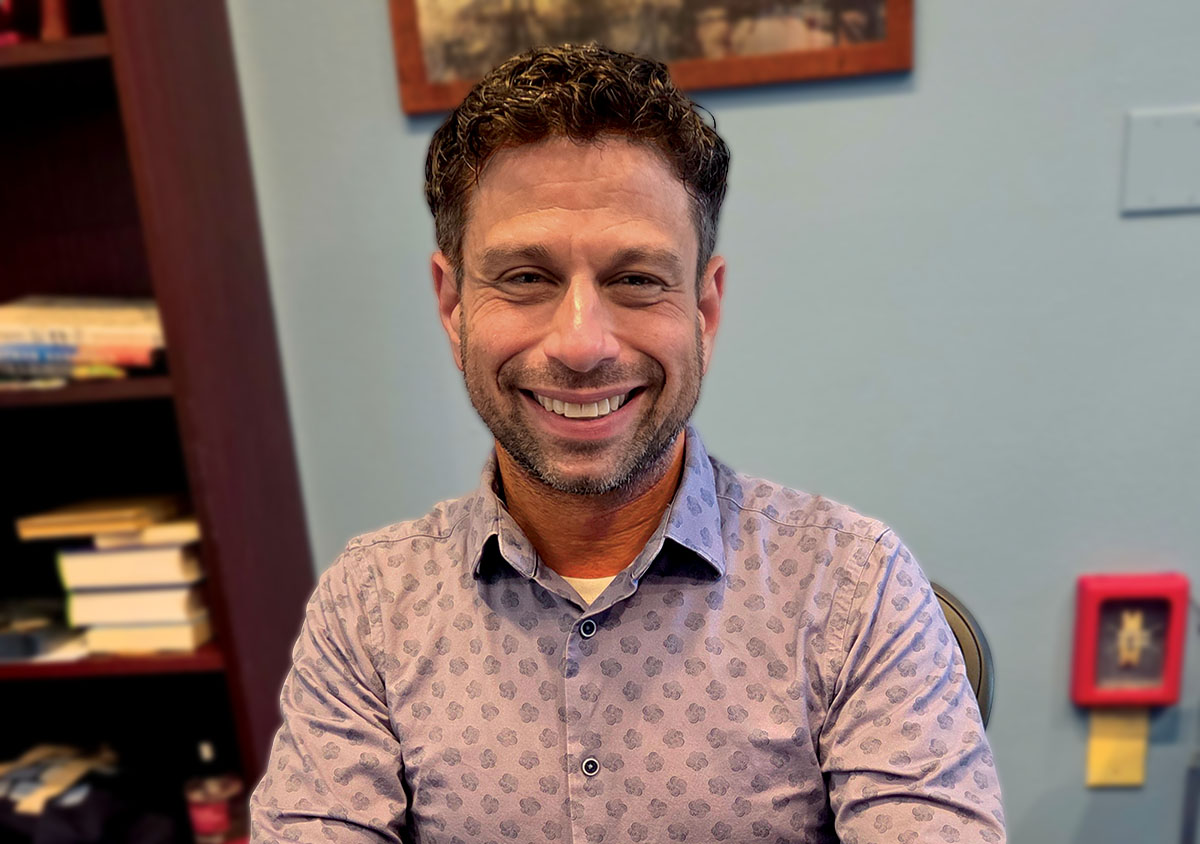
Rabbi Nicole Guzik is senior rabbi at Sinai Temple. She can be reached at her Facebook page at Rabbi Nicole Guzik or on Instagram @rabbiguzik. For more writings, visit Rabbi Guzik’s blog section from Sinai Temple’s website.


Did you enjoy this article?
You'll love our roundtable.

Editor's Picks

Latest Articles

Bringing Israeli Doctors Back

ScienceAbroad works with two groups in medicine: physicians who leave Israel for fellowships and Israeli students who attend medical school in Europe.

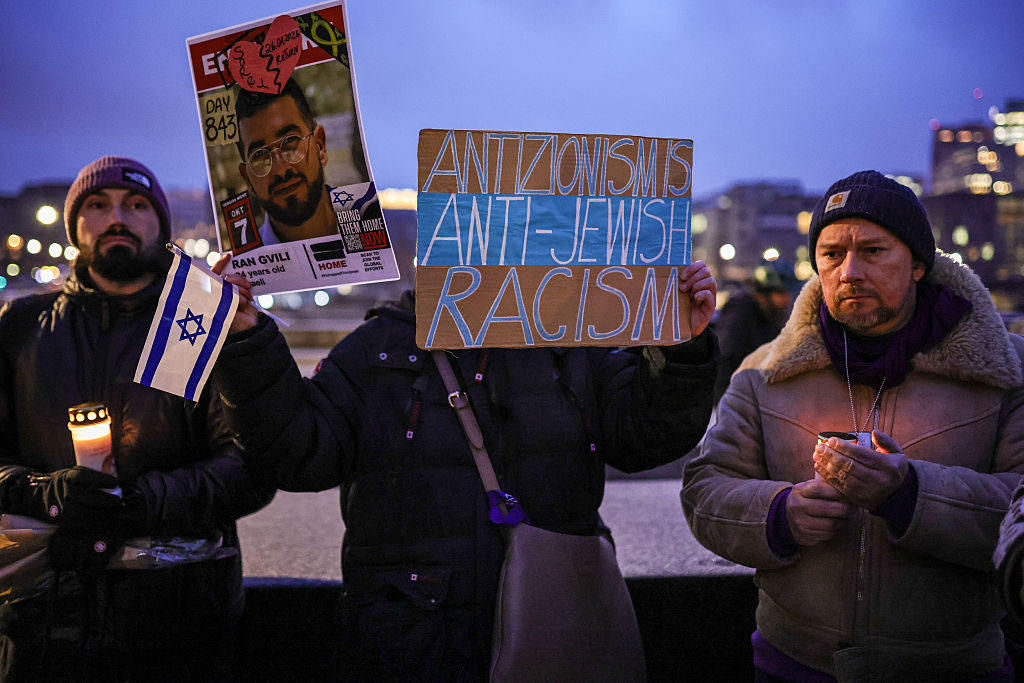
The Antizionist’s Dilemma

It’s not easy being an antizionist these days. Especially if you’re determined to live in accordance with your most important moral imperative: the denigration of the world’s only Jewish state.

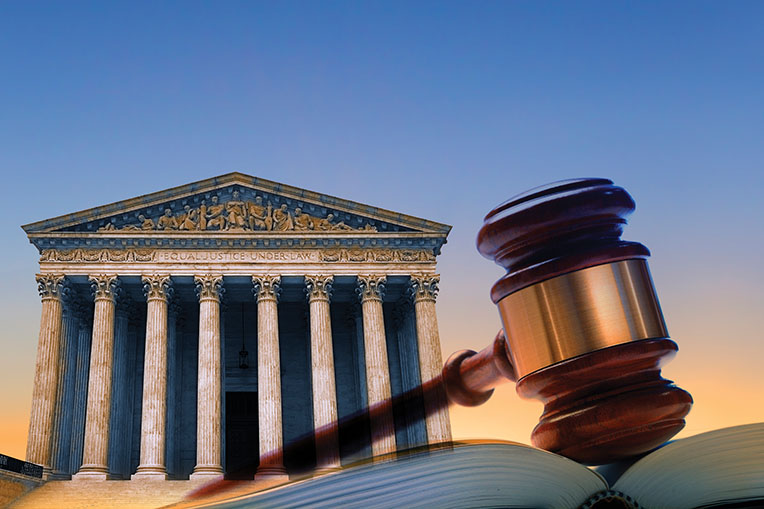
How the Supreme Court Adapted Parshat Shoftim

The Torah offers a better model than avenging and avoiding. It offers a safe opportunity for parties to meet and peacefully explain their perspectives, which might have been misunderstood. They can offer apologies and, where necessary, make amends for harms caused.

Can One Be a Non-Observant Orthodox Jew?

The tradition has always been bigger than any one person’s grip on it. What draws me is simple: I think these texts are a good part of why we are still here as a people. I want to know them and, in my own way, embrace them. Orthodox is where I turn.

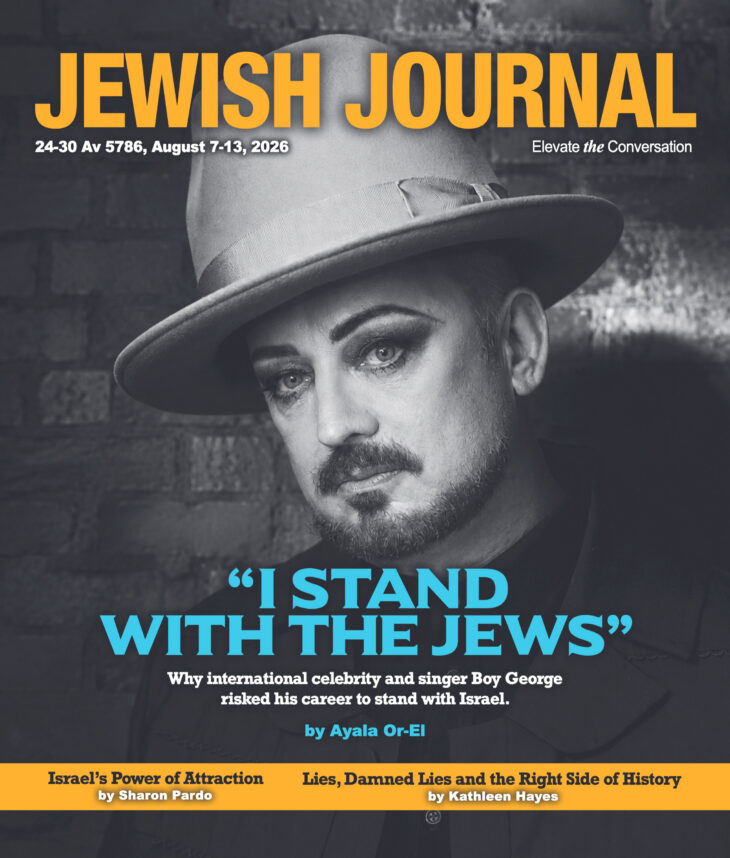
Lies, Damned Lies and the Right Side of History

One question alone matters these days: Does this fact strengthen my tribe, or is it bad for it? If bad, it must be suppressed, denied, explained away. The higher truth is the narrative that serves the cause, the quest of the righteous and true.

Life Lessons in Old Age

Hardship and joy are present at every step. There is no time when it will be all good, so focus on the good and carry on. There are always moments to savor and appreciate.

Is Mamdani Helping Bibi?

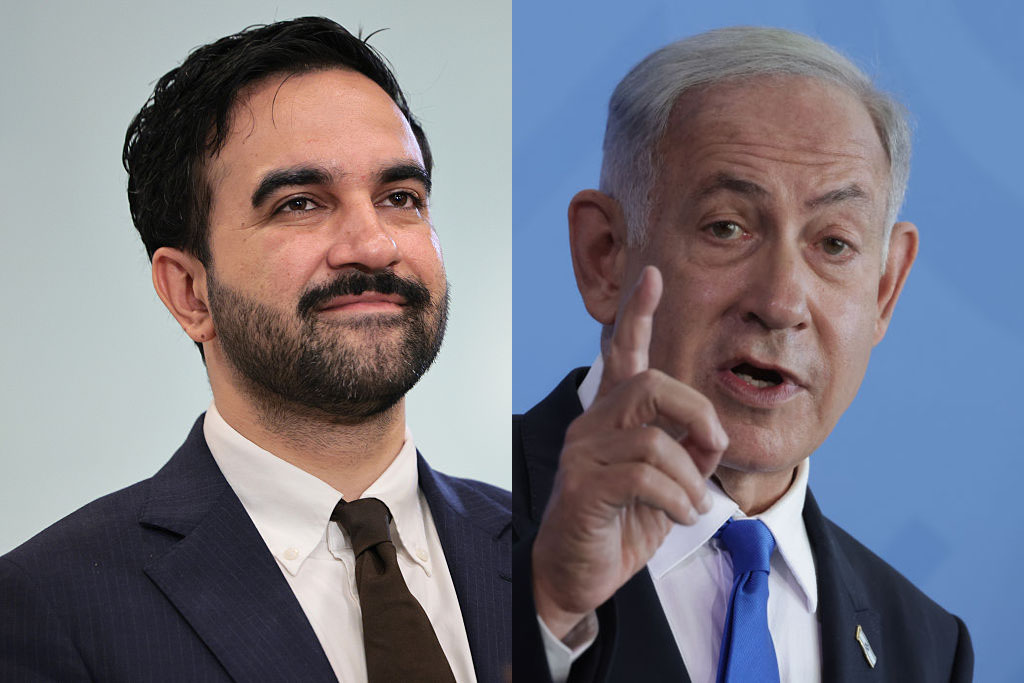
By explicitly linking Mamdani’s efforts to rising levels of antisemitism, Netanyahu was able to frame himself as a defender of Israel against growing international hostility.

More news and opinions than at a Shabbat dinner, right in your inbox.