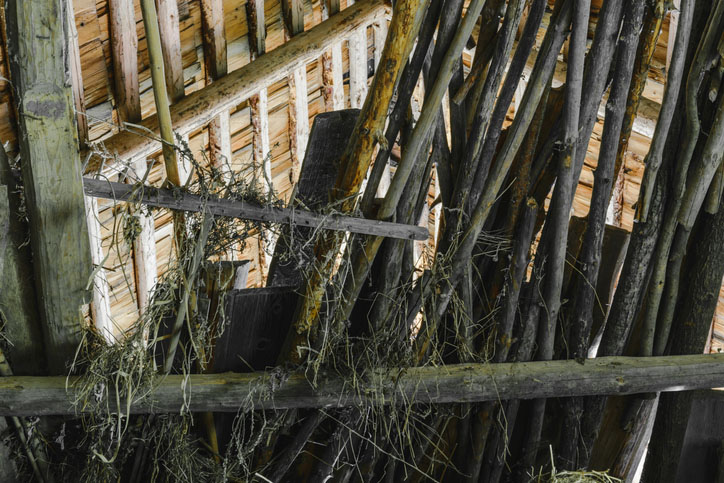
Rabba Sara Hurwitz speaks about the surprising reference to the sukkah in the Birkat Hamazon, the blessing after the meal during the holiday of Sukkot. The blessing says, “May God establish for us the fallen sukkah of David.” She wonders why we reference the desire for a fallen sukkah. Isn’t that kind of request counter intuitive? Who wants to embody a fallen sukkah?
She asks us to look at the commentary by the Maharal of Prague, Rabbi Yehuda Loew of the 16th century. The Maharal explains that we should each desire to be a sukkah rather than a home. When a home falls, it is almost impossible to rebuild. And even when it is rebuilt, it often looks and feels completely different than before. But when a sukkah falls, it can easily go back up, still imbued with its original sense of holiness. The Maharal teaches that to be a sukkah is to embody a resilient spirit.
It is rare for a west coast sukkah to actually “fall down.” But it is unfortunately common for each of us to feel as if we have fallen. Setbacks occur at every stage of life. However they are presented, God has planted within us the ability to get back up. Understanding that as shaky as life is, just like the sukkah, we must stand again, filled with a God-given resilient spirit.
May God establish for each of us a fallen sukkah. A fallen sukkah that rouses your strength, vigor and knowledge that you too, will once again, get back up.
Chag Sameach and Shabbat Shalom
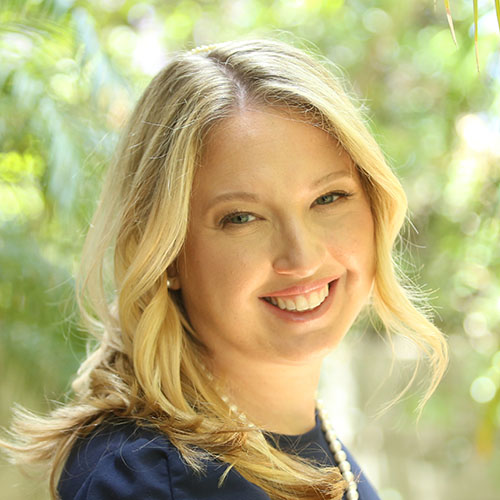
Rabbi Nicole Guzik is senior rabbi at Sinai Temple. She can be reached at her Facebook page at Rabbi Nicole Guzik or on Instagram @rabbiguzik. For more writings, visit Rabbi Guzik’s blog section from Sinai Temple’s website.