Joy is embedded within the name of the final holiday: Simhat Torah. We end the reading of one cycle of Torah and begin reading the Torah over again. There is a feeling of elation knowing that we have the ability to witness a continuing, evolving Judaism. That through the turbulence and turmoil of the world, the practice of reading, studying and living Torah survives. For that, we celebrate. For that, we dance.
But this year looks very different.
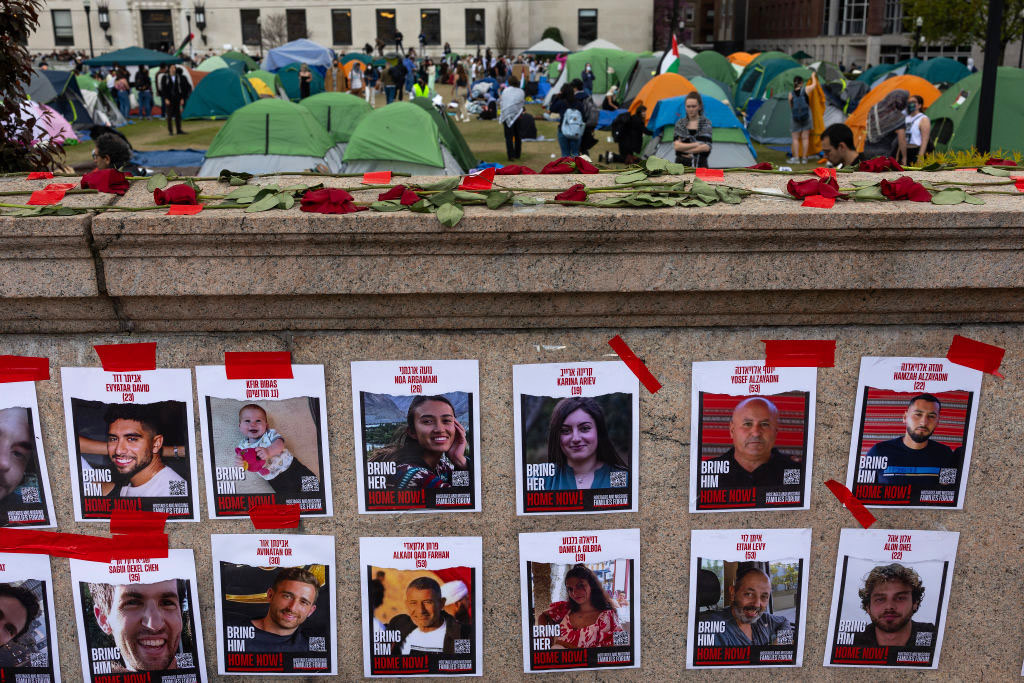
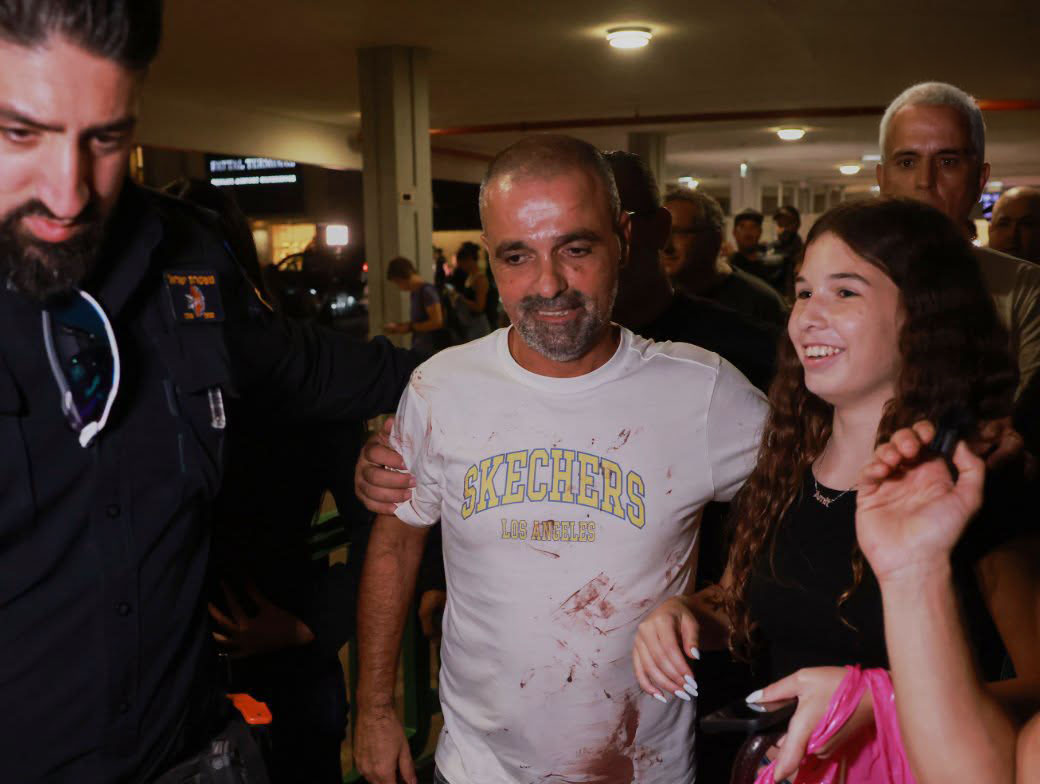
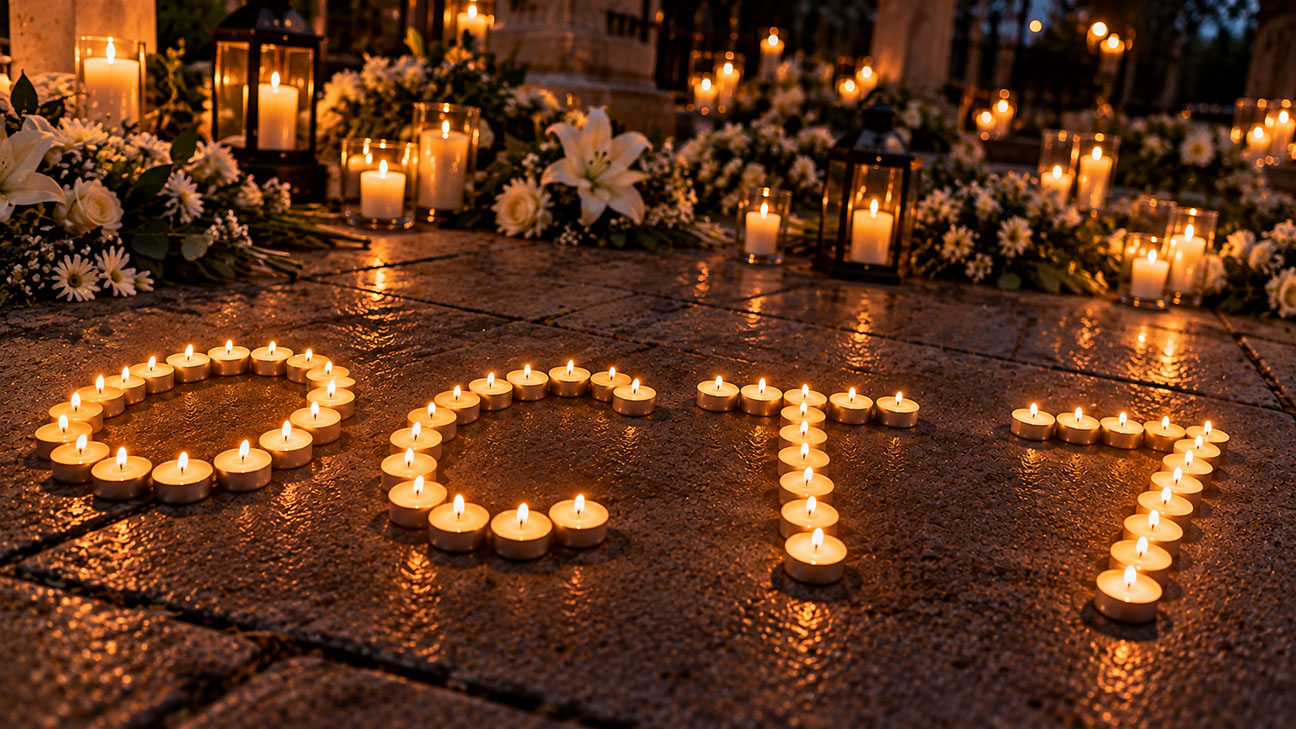
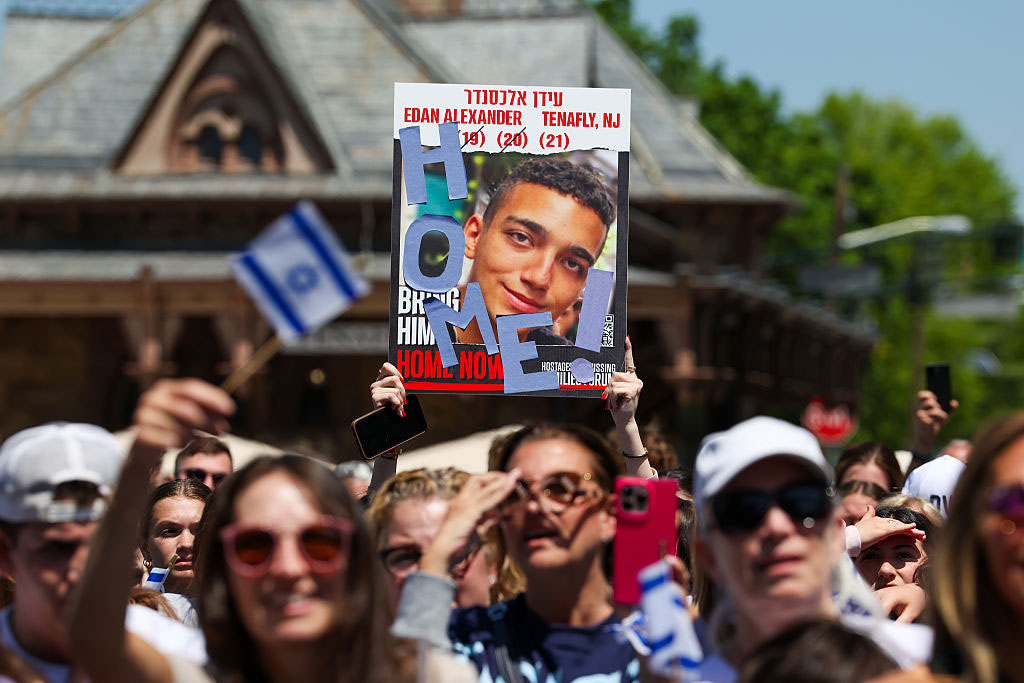
How do we dance with exhilaration when 1200 souls were savagely murdered by Hamas on this day in the Hebrew calendar? When hostages still remain captive in Gaza? Some might say dancing is inappropriate. Some might say, we dance for them, dancing like we never have before, holding their souls tightly woven together with our own. No matter what, the dancing has changed. We move with joy and sorrow.
The Jewish calendar is set up perfectly for this blended emotion. We pray the yizkor prayer on Shemini Atzeret, sit with our memories and invite in our loved ones from the world beyond. A ritual honoring of lives that we pray inspire each of our days.
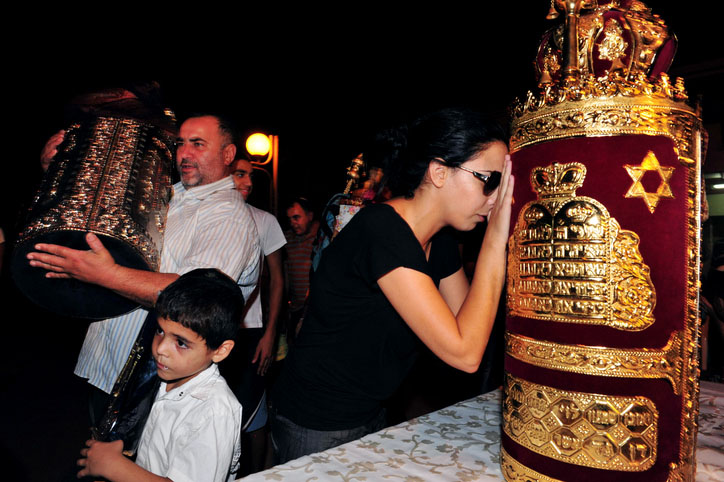
And just hours later we usually celebrate with an unbridled revelry. Huge crowds singing, dancing, holding our Sifre Torah with such pride and love. But it is hard to imagine an immediate erasure of the emotions felt and experienced just moments prior. But there isn’t an expectation to remove one emotion to create space for another. Our hearts intuitively make room for both yizkor and simcha. Sometimes they sit side by side. Other times they knock in each other, angrily and confused. And sometimes they blend, like sand on the beach, and there is difficulty deciphering the boundaries of each.
Dancing while crying. Crying while laughing.
May we honor the memories of the 1200 lives viciously murdered by Hamas. May we remember our loved ones and invite in their souls to sit with us during this final part of the holiday season. And may we allow our hearts to feel it all: sorrow, joy, sadness, anger, elation, grief and love.
As our tradition reveals, even at the very same moment, there is a time for it all.
Chag Sameach and early Shabbat Shalom
Rabbi Nicole Guzik is senior rabbi at Sinai Temple. She can be reached at her Facebook page at Rabbi Nicole Guzik or on Instagram @rabbiguzik. For more writings, visit Rabbi Guzik’s blog section from Sinai Temple’s website.