Home Shalom promotes healthy relationships and facilitates the creation of judgement free, safe spaces in the Jewish community. Home Shalom is a program of The Advot Project.
Please contact us if you are interested in a workshop and presentation about healthy relationships, self-worth or communication tools.
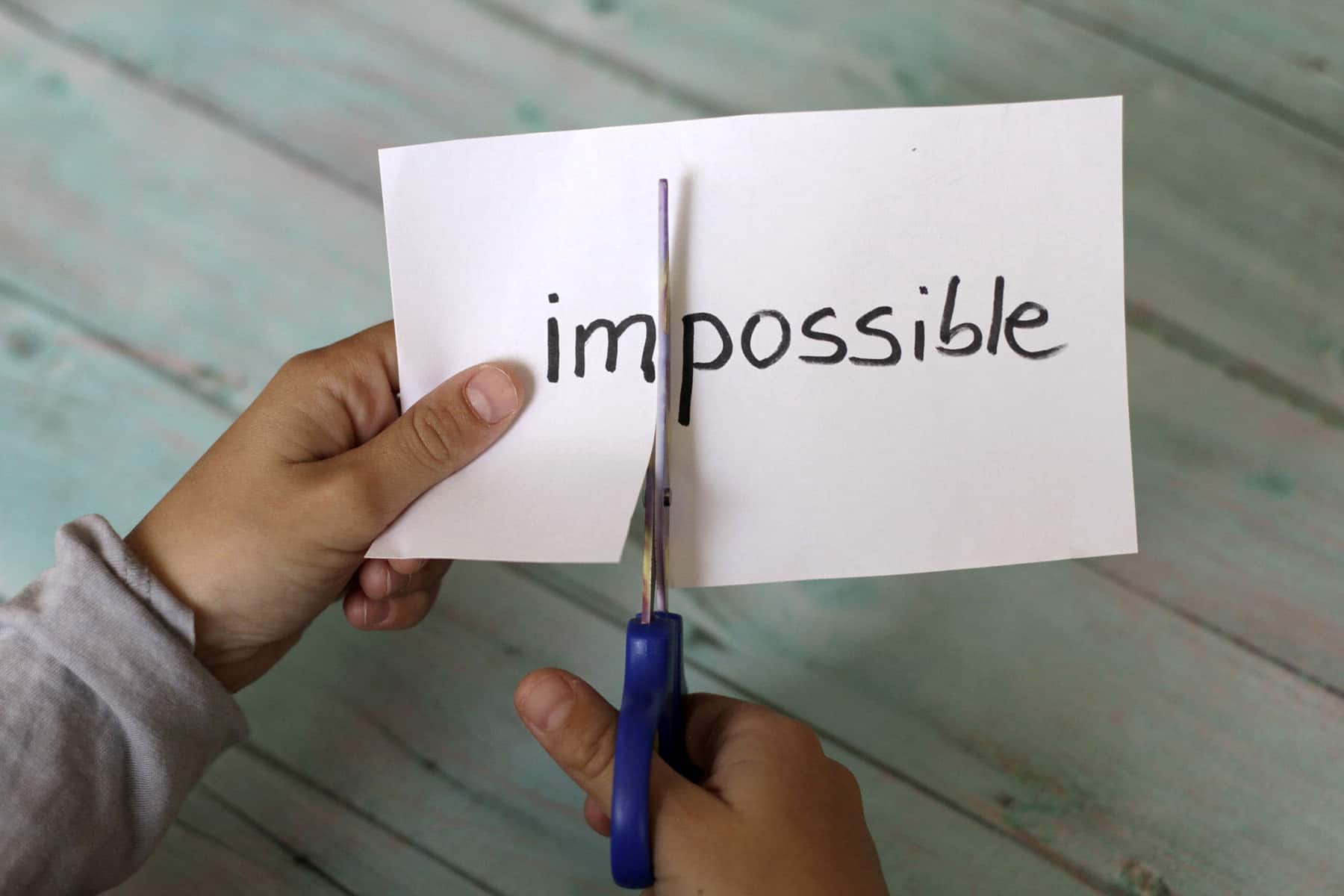
“You can achieve the impossible only by attempting the possible.” ~Rabbi Mordecai Kaplan
Everyone knows this story: It’s the famous Torah story in Genesis where God chose Noah to continue the human race because of his righteousness.
Except that’s not how the story really goes. Even though the Torah clearly states, “Noah was a righteous man,” the problem lies in the phrase that follows: “he was blameless in his age.” Nearly every rabbinic commentator throughout the centuries has suggested that this passage must be understood as teaching us that Noah wasn’t really that great, just the best that God could find at the time. The Hebrew phrase, “tamim haya b’dorotav” means literally that Noah was “righteous in his generation.” In referring to this phrase, Rabbi Yohanan taught in the Talmud Sanhedrin 108a: “In his generation but not in other generations.”
As one example, the rabbis compared Noah to Abraham. When Abraham learned that God intended to wipe out Sodom and Gemorrah, he immediately argued for God to spare these cities, lest their righteous citizens be wiped out along with the wicked. But when Noah learned that God intended to wipe out the entire human population on Earth, he never spoke a word in anyone’s defense. Instead, he simply began building the ark that would save his own family from God’s destructive power.
Noah’s story always makes me think about what Mordecai Kaplan said, that “You can achieve the impossible only by attempting the possible.” Noah wasn’t a miracle worker, he was simply a man who was “good enough” in a society filled with people who were worse. In fact, he wasn’t the kind of person you’d expect to achieve the impossible at all —just someone you could rely on to do the possible.
Doing the possible was putting one foot in front of the other, nailing one board on top of another, getting the job done one step at a time. After all, according to the Torah, for Noah, simply doing what was necessary and possible was enough to save the entire world.
All of us are in the same boat (pun intended) as Noah. We are called upon simply to do what we can, to speak up when we see a wrong, to stand up when we see someone in need of support or comfort, compassion or justice, and in doing so, perhaps like Noah, be the source of redemption for our world as well.