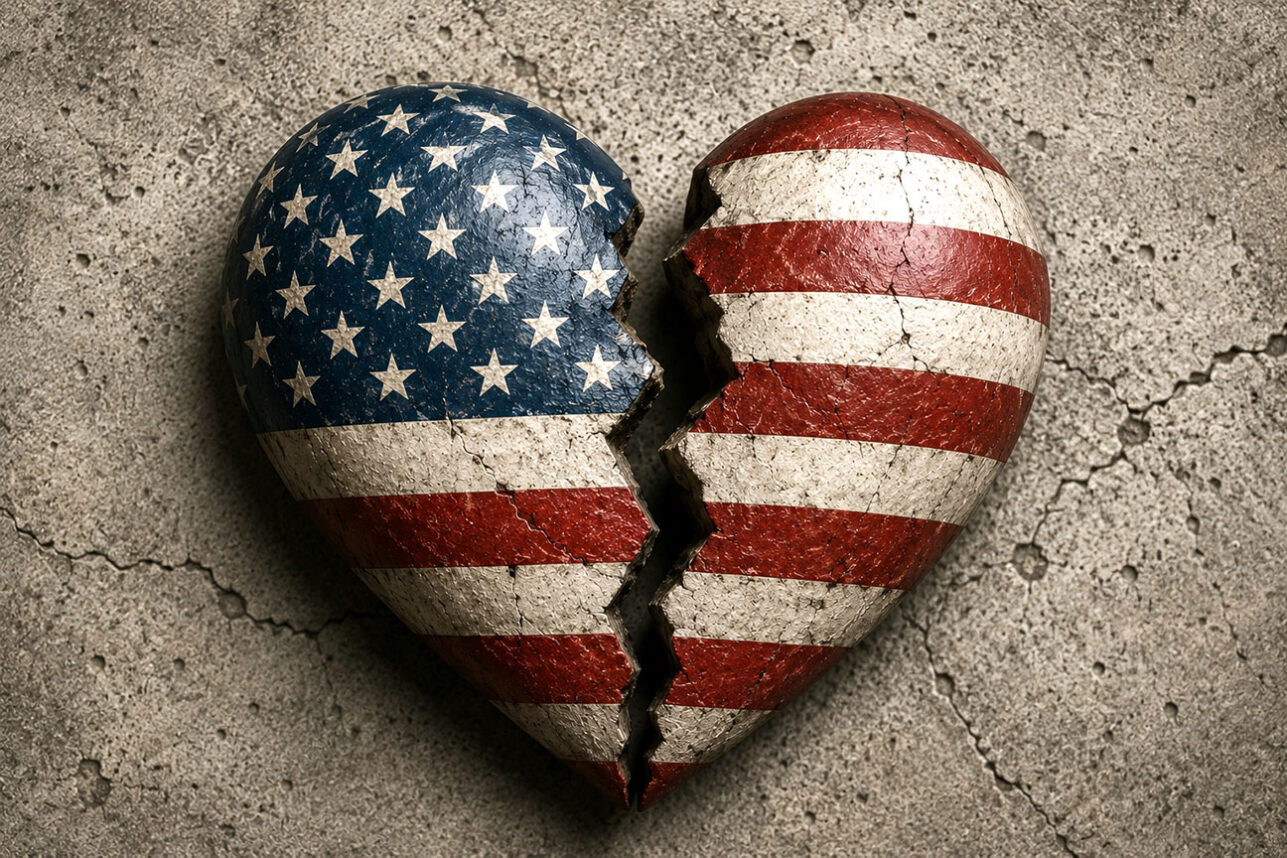
It is clear to all observers that the choice of words in talking about the heinous crime in Orlando – the cold blooded murder of 49 innocent Americans – is meaningful. The question of whether this was an act of terrorism, or a hate crime, or both – as was President Obama’s choice – is meaningful. True, no choice of words will bring the dead back to life. No choice of words will heal the victims’ wounds. But it will affect the way Americans understand the crime and the lessons to be learned from it.
For one – President Obama is an example of this mindset – the lesson is less weapons. Stricter gun laws are needed to make it more difficult for twisted minds to acquire the means with which to commit the crime.
For another – Donald Trump is an example – the lesson is “We can't afford to be politically correct anymore.” That is to say: America should be willing to acknowledge that the problem is “radical Islam.”
Of course, these two lessons do not have to be mutually exclusive. One can support stricter gun laws while acknowledging that calling “radical Islam” what it is should be America’s policy. Yet somehow, in most cases the lessons are mutually exclusive. Americans tend to think about the attack as “terrorism” – a hawkish interpretation – or as a “hate crime” – a dovish reading. When the President said it is both, he still seemed to prefer the second reading (hence, stricter gun laws), while understanding that he must also use the word “terror” so as not to be criticized for avoiding it.
There are reasons to say that this was what we tend to call a hate crime. The shooter did not target Americans – he targeted gay Americans. He did not randomly shoot civilians, he shot those that he seems to have despised, or hated, more than he hated others.
There are also reasons to say that this was what we tend to call terrorism. The shooter said that he identifies with ISIS. His hatred of gays is one component of a broader ideology in which he believed – an ideology that turned him into a terrorist against Americans.
In fact, the difference between hate crimes and terrorism is mostly in our heads. Most terrorists – whether they target gays, Jews, Sunnis, Americans, Belgians – hate the group that they target. What they do is a crime: they target innocent people because these people are part of a group. They target people because of beliefs or ideology. If the shooter in Orlando hated gays for religious reasons, and hated Americans for the same religious reasons, then his choice to shoot at American gays, and not just random Americans, does not transport his crime from the sphere of terrorism to the sphere of hate crimes (and does not merit a response different from the proper response to terrorism).
Would stricter gun laws be the proper response to terrorism? Home grown terrorists need guns, and when guns are easier to acquire it makes their job easier – it also makes the job of finding them more difficult. When gun laws are strict, and most people do not own guns, and in most places one cannot buy or sell guns, the ability of law enforcement and intelligence agencies to follow the people who do own guns, and the places in which guns are sold, is higher.
On the other hand, stricter gun laws could make guns still available for the people who really want them – the terrorists – and unavailable for those who need them for protection. The fact that one shooter was able to kill 49 Americans and wound 50 without anyone having the means to stop him should serve as a warning sign to all those in favor of taking guns away from law abiding citizens. Last week, two shooters were able to kill four citizens in Tel Aviv before they were stopped. In many such cases citizens were the first to respond to an act of terrorism and restrain or kill an attacker. Killing 49 people with a gun takes a long time – that is, a long time in a place in which no one is able to do something about the shooter.
So the debate about gun laws and about whether changing them is the proper response to the Orlando massacre is a worthy debate. The debate about the proper response to the massacre is a worthy debate. In the hours after the shooting, several respondents and organizations asked not to use the tragedy for political purposes. That is an understandable sentiment, even though it is also an unrealistic one. Of course politicians are going to use an event of such magnitude for political purposes – as they should. President Obama was politicizing it by calling for stricter gun laws. Candidate Trump politicized it by calling for less political correctness. Candidate Hillary Clinton politicized it by emphasizing her experience and hence her ability to properly handle such tragedies as they occur.
These are all legitimate responses. These are all necessary responses. These are the responses that could help Americans decide which of the candidates and policies are the ones that they want when they go to the polls.