When I was cutting my ideological teeth in the 1960’s, Marshall McLuhan, the Canadian guru of all media, now mostly forgotten (though he appeared as a talking head in a Woody Allen movie), was a name to conjure with.
He was most famous for “the medium of the message.” Specifically regarding presidential politics, he argued that JFK beat Nixon in 1960 because he won the first televised debate because of his mastery of television “cool” while Nixon won in the minds (and ears) of those listening on the “hot” medium of radio.
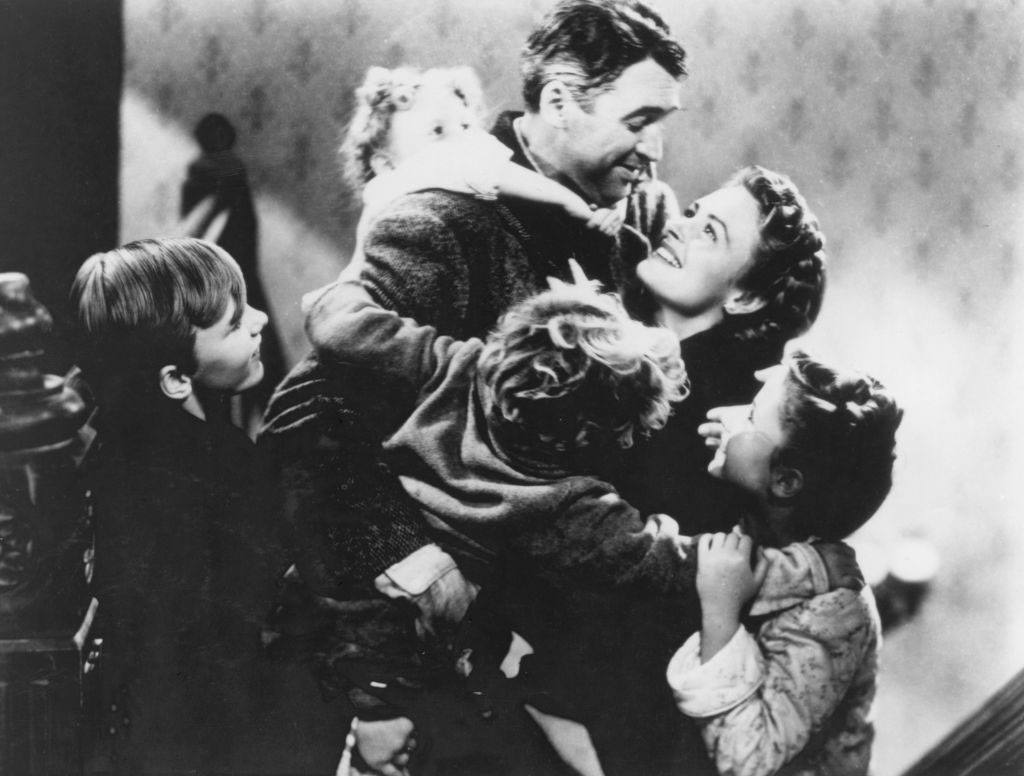
McLuhan’s thesis—now part of conventional wisdom—wasn’t really much different than the plot of The Last Hurrah, Edwin O’Connor’s novel charting the decline-and-fall of old Boston Mayor Frank Skeffington to a slick television era upstart reminiscent of JFK. But does the McLuhan thesis really hold up? The political scientist Michael Paul Rogin, in Ronald Reagan: The Movie (1988), argued that movies, not television, were the key to Reagan’s successes as “great communicator” by virtue of his ability to give a good B movie imitation of James Stewart in a Frank Capra movie.
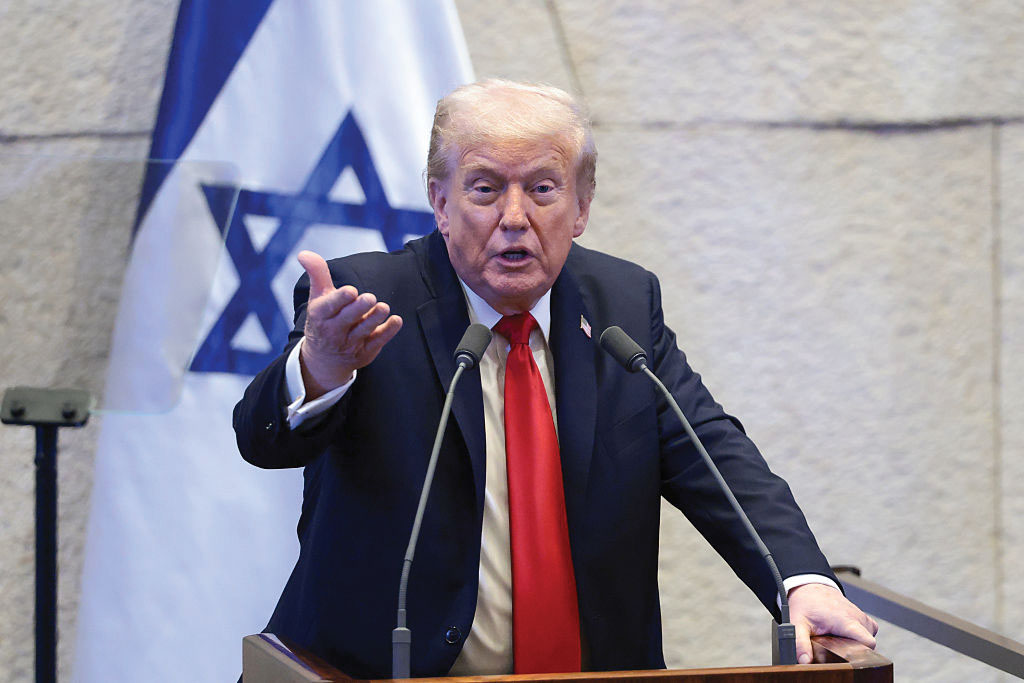
Now comes Donald Trump with a debate performance in South Carolina Saturday night that was so “hot” with anti-George W. Bush conspiracy theories that, according to McLuhan’s theory, it should have melted television sets. Instead, even in the conservative GOP, Trump appears to have emerged not weakened and maybe even strengthened. This suggests that there may have always been something wrong with McLuhan’s theory.
After all, Hitler was a dual threat: a master of big event pageantry (see if you haven’t Leni Riefenstahl’s Triumph of the Will), but also electrifying radio broadcasts. Perhaps both pageants and radio were “hot” media—yet FDR domesticated the latter in the form of fireside chats in a triumph of man over medium, perhaps.
As an historian, I think the Trump phenomenon is best understood, not in terms of media dynamics, but in terms of a party nervous breakdown—with the serfs, so to speak, carrying pitchforks to stick it to the Republican lords of the castle and the Congress and the neocon opinion media. Such revolts are not unprecedented.
The GOP had one when Goldwater defeated for the nomination Nelson Rockefeller in 1964. Though he was more gentle and implicit, everybody understood that Barry was running as an insurgent critic of Ike’s brand of “modern Republicanism”—just as Trump in brutish fashion is running to overturn the Bush establishment apple cart. The Democrats had a mild insurgency when George McGovern defeated Hubert Humphrey in 1972. Much more brutal was William Jennings Bryan’s repudiation of incumbent President Grover Cleveland when Bryan was nominated in 1896 (and again in 1900 and 1908).
There is one common denominator to all these insurgencies: the party experiencing them may benefit long term, but it loses the next presidential election. With Trump as the nominee, don’t expect the GOP to win this November—unless insurgent Bernie Sanders is nominated at the head of his own ill-starred “political revolution.”