The United States said on Tuesday an Arab push to single out Israel for criticism over its assumed nuclear arsenal would hurt diplomatic efforts to ban weapons of mass destruction in the Middle East.
Frustrated over the postponement of an international conference on ridding the region of atomic arms, Arab states have proposed a resolution at a U.N. nuclear agency meeting expressing concern about “Israeli nuclear capabilities”.
The non-binding text submitted for the first time since 2010 to this week's member meeting of the International Atomic Energy Agency calls on Israel to join a global anti-nuclear weapons pact and place its atomic facilities under IAEA monitoring.
Israel is widely believed to possess the Middle East's only nuclear arsenal, drawing frequent Arab and Iranian condemnation. It has never acknowledged having atomic weapons.
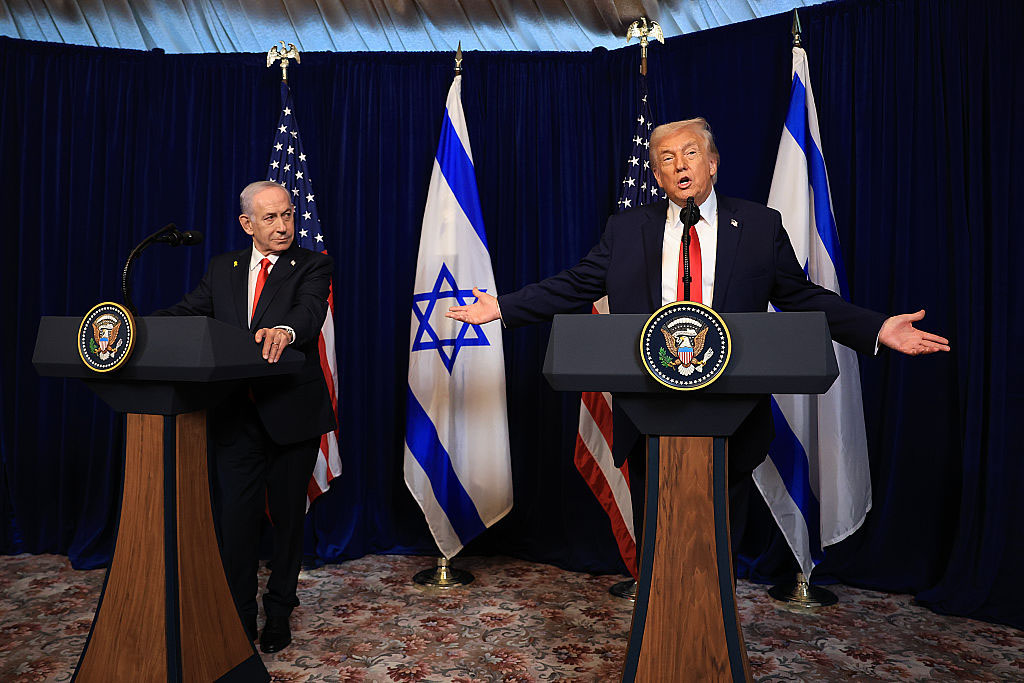
U.S. and Israeli officials – who see Iran's atomic activity as the main proliferation threat – have said a nuclear arms-free zone in the Middle East could not be a reality until there was broad Arab-Israeli peace and Iran curbed its program.
Washington is committed to working toward a Middle East zone free of weapons of mass destruction (WMD) and their delivery systems, the U.S. envoy to the IAEA said.
But the Arab resolution “does not advance our shared goal of progress toward a WMD-free zone in the Middle East,” Ambassador Joseph Macmanus said in a comment emailed to Reuters.
“Instead, it undermines efforts at constructive dialogue toward that common objective,” Macmanus added.
Israel and the United States accuse Iran of covertly seeking a nuclear arms capability, something the Islamic state denies.
Iran this week said Israel's nuclear activities “seriously threaten regional peace and security”.
World powers agreed in 2010 to an Egyptian plan for an international meeting to lay the groundwork for creating a Middle East free of weapons of mass destruction.
But the United States, one of the big powers to co-sponsor the meeting, said late last year it would not take place as planned last December and did not suggest a new date.
Arab diplomats said they refrained from putting forward their resolution on Israel at the 2011 and 2012 IAEA meetings to boost the chances of the Middle East conference taking place last year but that this had had no effect. A vote on the text may take place on Thursday, one envoy said.
Editing by Andrew Heavens