Thanksgiving is almost here; and so, American Jews are reminded of a value so fundamental to Judaism that we are commanded to practice it. This is the gift of giving tzedakah. While in practice, many Jews donate a portion of their income to the needy, I argue that the core ideology of tzedakah transcends donating money, or even one’s time to social action or world peace. My belief is that tzedakah begins with recognizing the world outside of ourselves, and acknowledging the holinesses within each person, plant and animal. It is when we see another in the same light in which we see ourselves that we create true peace. Of course, Thanksgiving engenders personal reflection and gratefulness for the richness of our lives, and Judaism promotes brotherhood among fellow Jews across the globe. But, my feeling is that the Native Americans have also got the right idea when it comes to giving tzedakah.
Recently, in the Mythology class I teach, we watched the PBS series, “Power of Myth,” based on the book by Joseph Campbell. In an interview with Campbell, he explains the relationship that the Native Americans practice toward nature and animals, particularly the buffalo, with which there is a “hunter animal food covenant.” “Through ritual, animals were thanked for their willingness to sacrifice their lives and were assured transcendence and rebirth (which in turn replenished the food supply). Animals were considered equals, or given their superior physicality viewed as gods, givers of life and inspiration.” (Yel Hannon Brayton, Sacred Cows for High School Creative Writing Students)
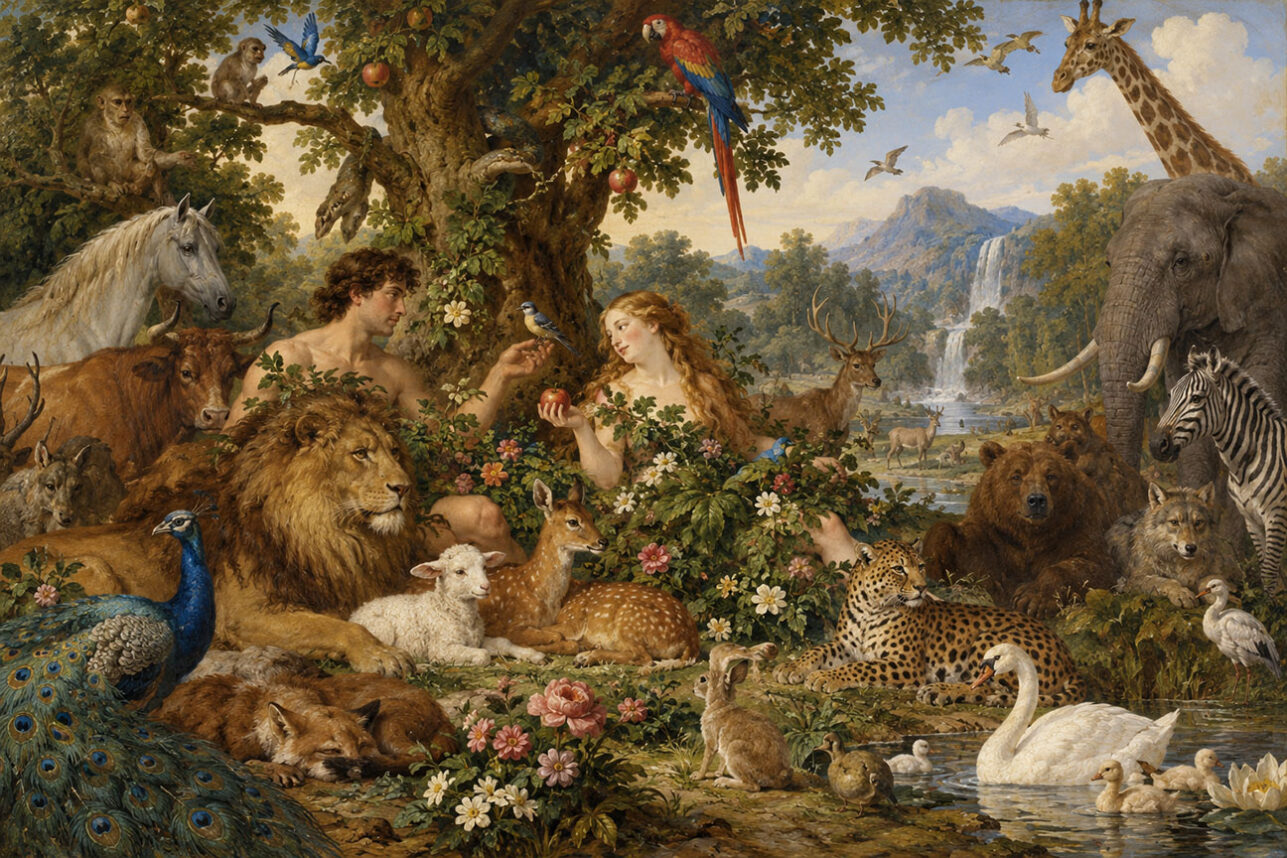
Beyond this, the idea that God lives in the animal (and all of nature), Campbell argues, creates a sense of seeing an object or thing not as an “it,” but as a “thou.” He says that the lack of allowing ourselves to see another as a “thou” is what causes us to mistreat each other and go to war with one another. So, the Native American’s ability to identify personally with nature, seems to me, to evoke the true meaning of tzedakah. I think Thanksgiving is not just about giving to those in need or for being thankful for what we possess or have accomplished. It is about identifying the God in all of us, using the harvest season to remind us of our connection to the cosmos, to animals and nature, and, quite beautifully, our sacred connection to one another.