











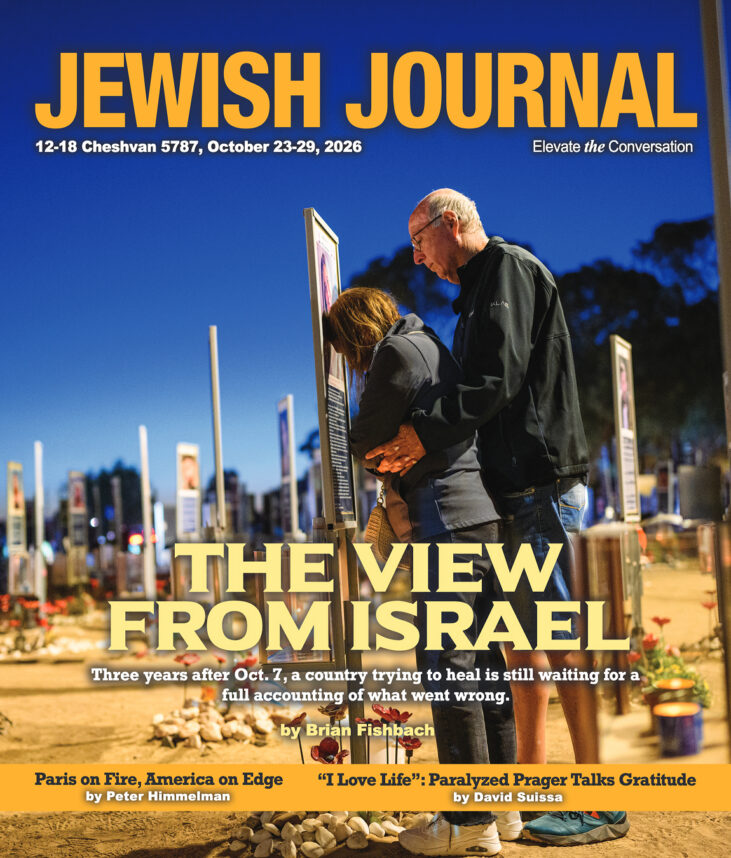
Three years after Oct. 7, a country trying to heal is still waiting for a full accounting of what went wrong.
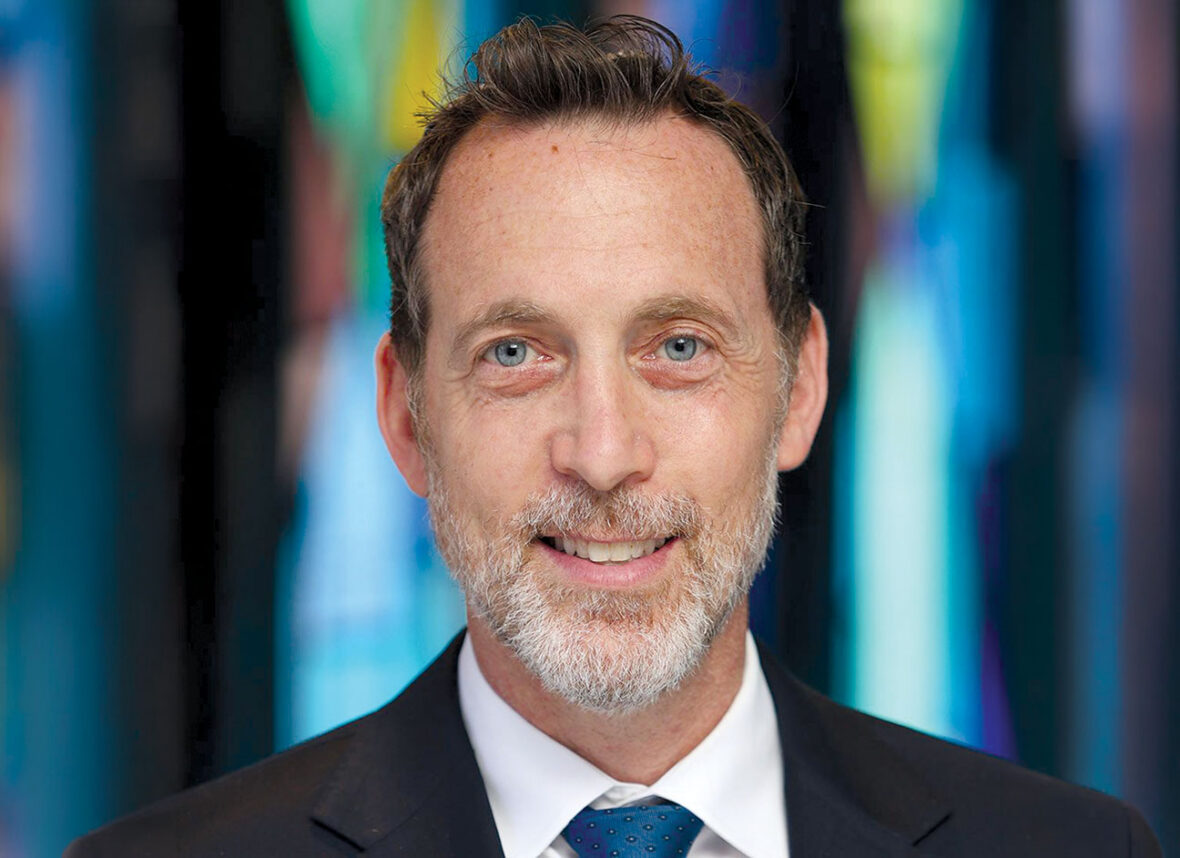
Second of two parts
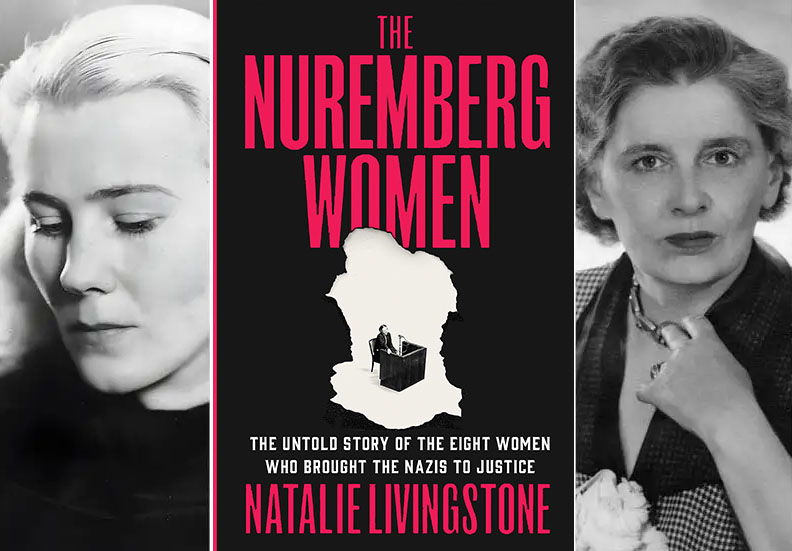
“These women were pivotal to both the process and the outcome of the trial. Yet they were marginalized on many occasions, literally reduced to footnotes.“
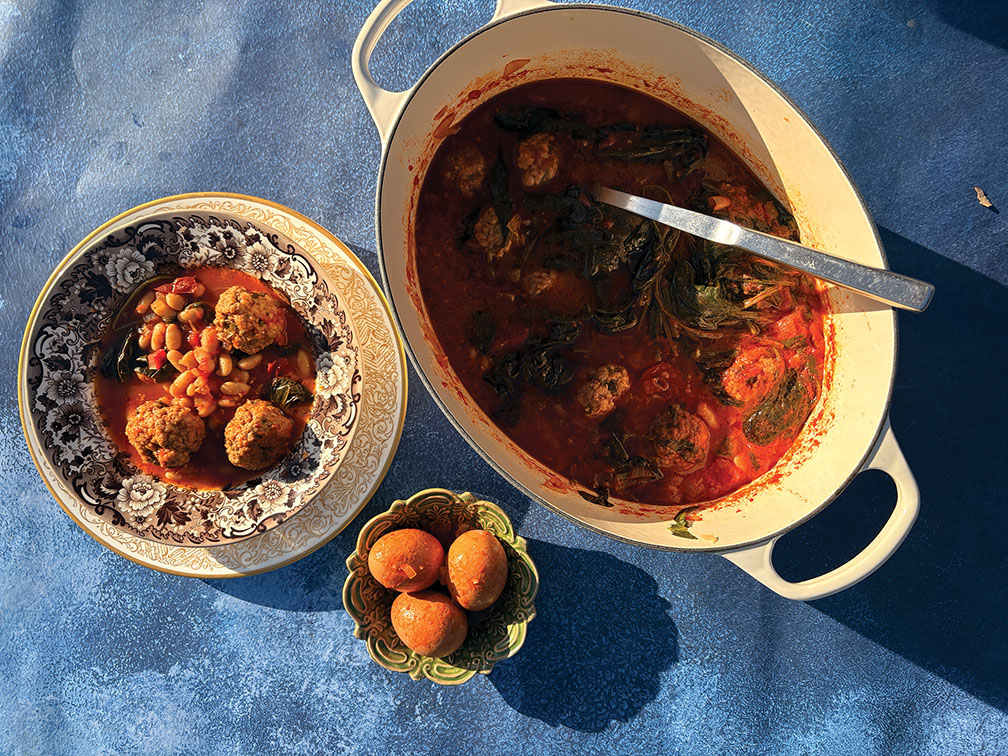
This Hamin Toscano recipe reminded us of a Tuscan wedding soup.

Shield Of Abraham
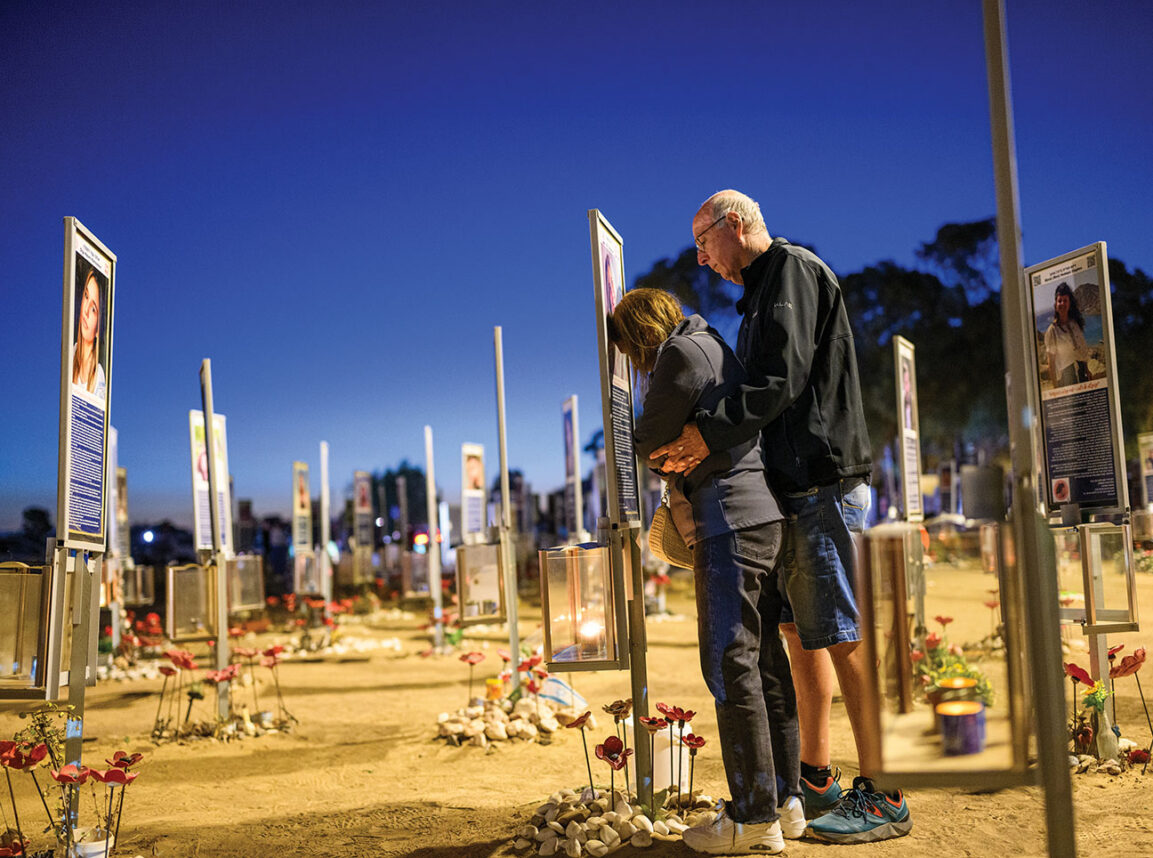
Three years after Oct. 7, Israel is still waiting for a full accounting of what went wrong.
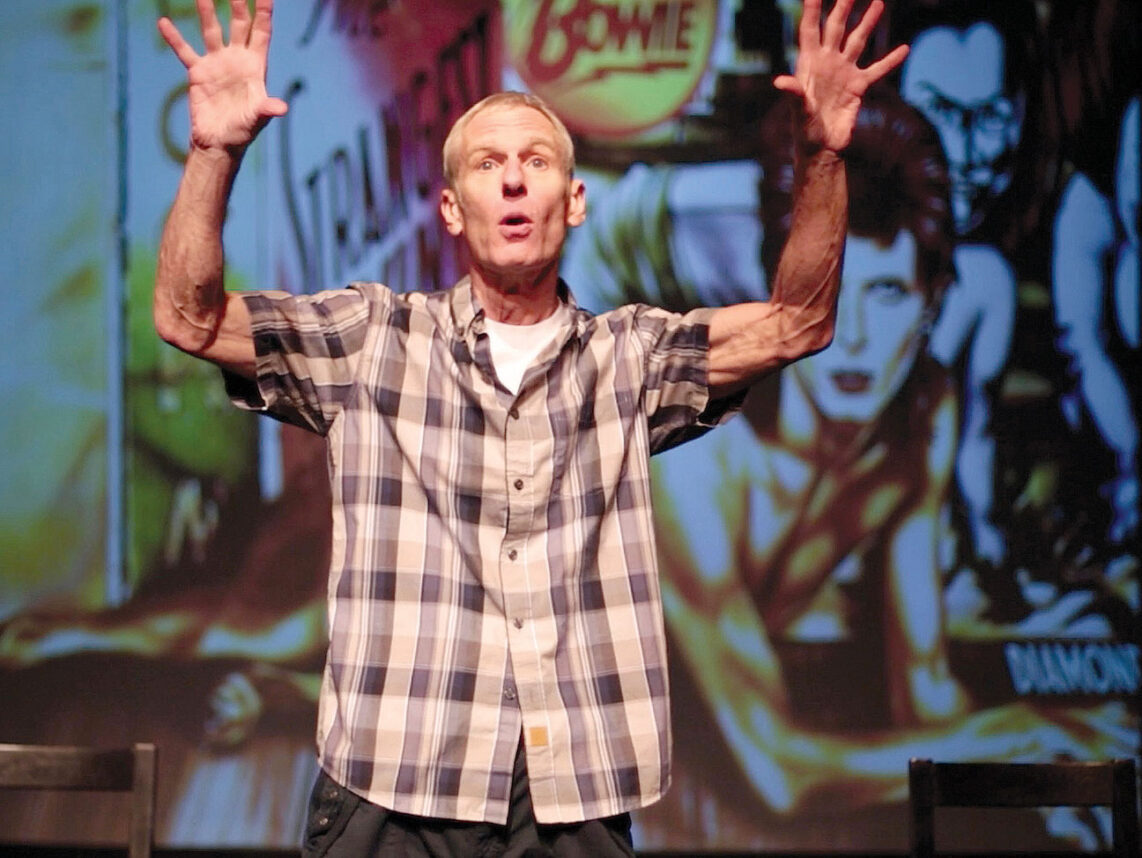
Selznick saw his idol David Bowie perform live when he was 15 and made up his mind that he wanted to create a show of his own and work with Bowie.
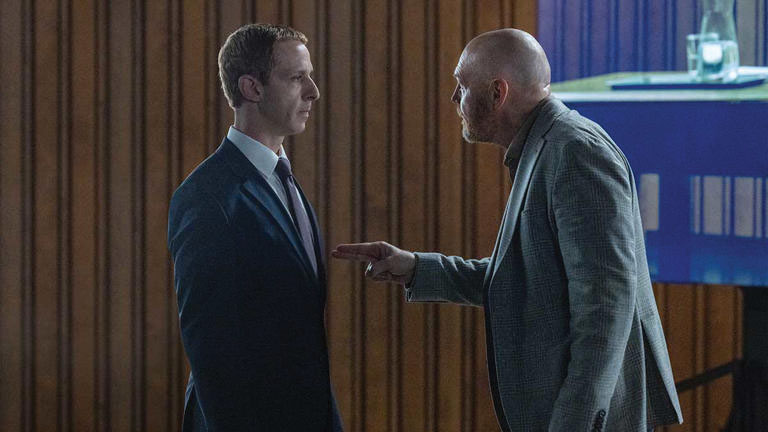
“The Social Reckoning” isn’t about a power struggle, but shows that powerful companies are reluctant to change unless there is pain.
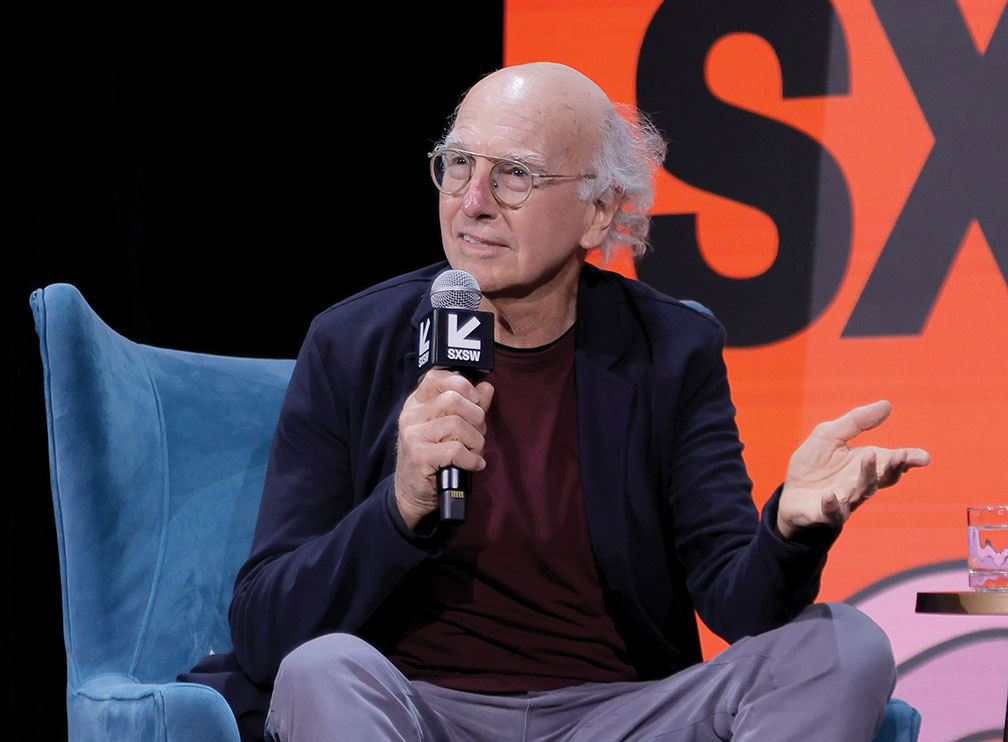
In his article about his proposals for the Democratic Socialists of America, he jokes that “The DSA has great respect for religious traditions.”

Memory is the mother of gratitude. If we do not remember our past, it is difficult to improve our present or build a better future.
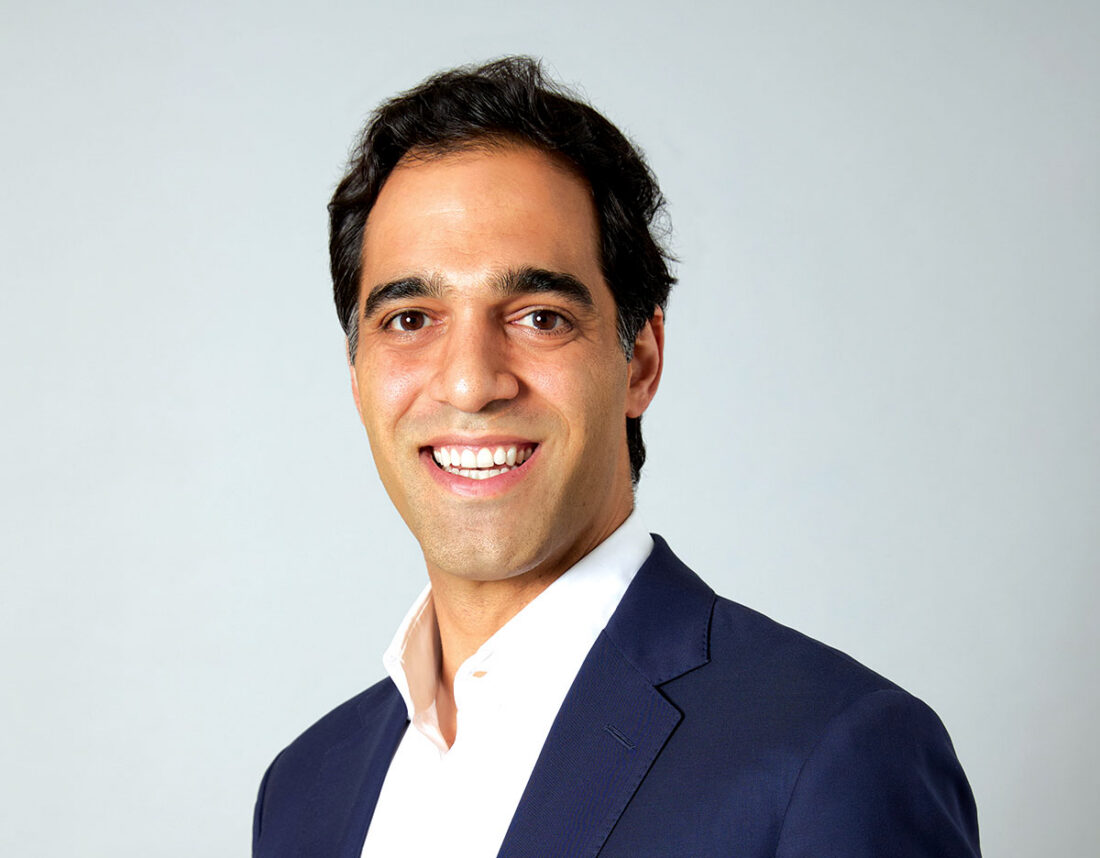
What began as a personal exploration of Judaism eventually became intertwined with Broukhim’s professional life.
It’s worth paying attention to what is – or isn’t – happening to our “large” parties. They are quite small, or at least that’s how they appear in the polls even as Election Day draws near.

We need not know where every decision will lead before taking the first step. Sometimes acting upon our deepest convictions is itself the beginning of wisdom.
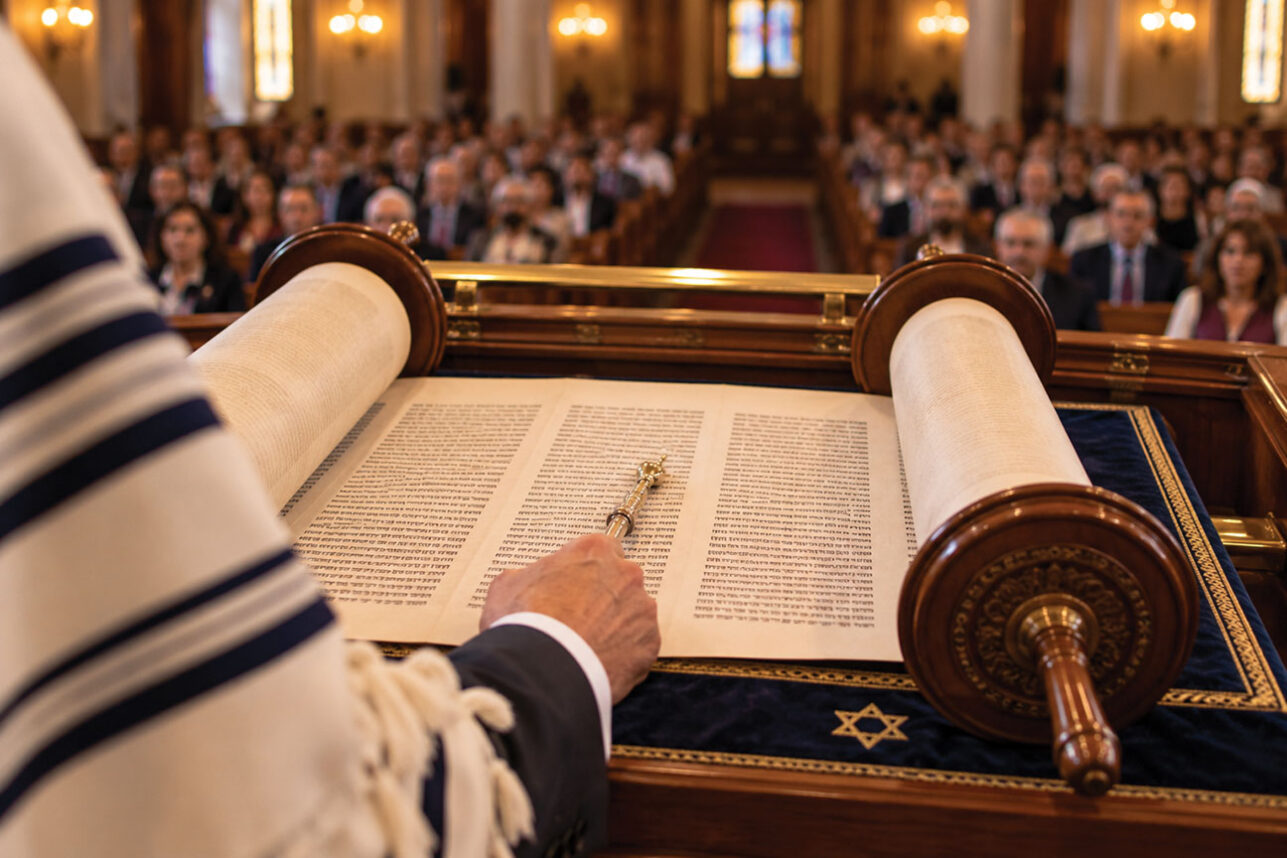
New opportunities and challenges have always come and gone. But pulpit clergy with their years of training, education and perspective on life, generated from atop the pulpit, are especially well suited for whatever lies ahead.
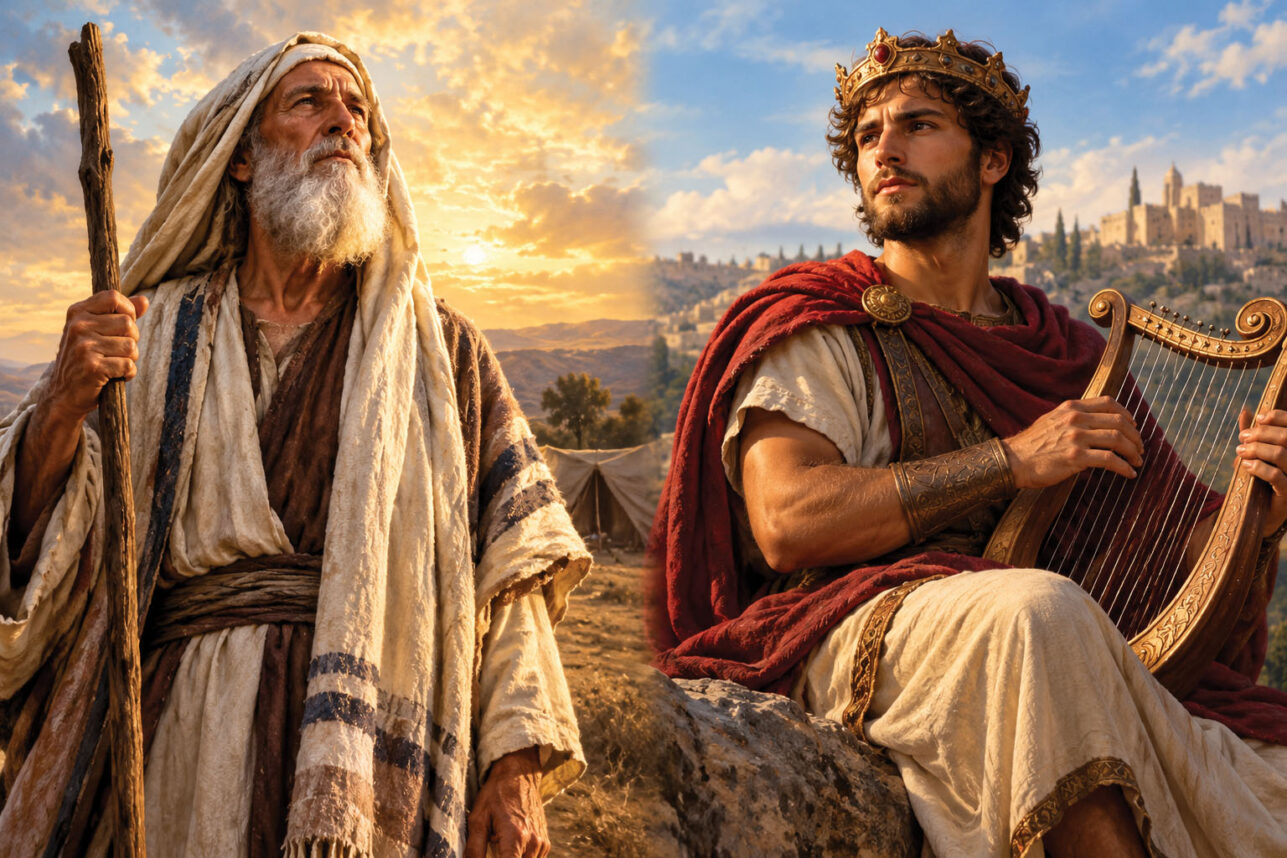
Anyone who votes, or leads, would be wise to study the story of Abraham and David.
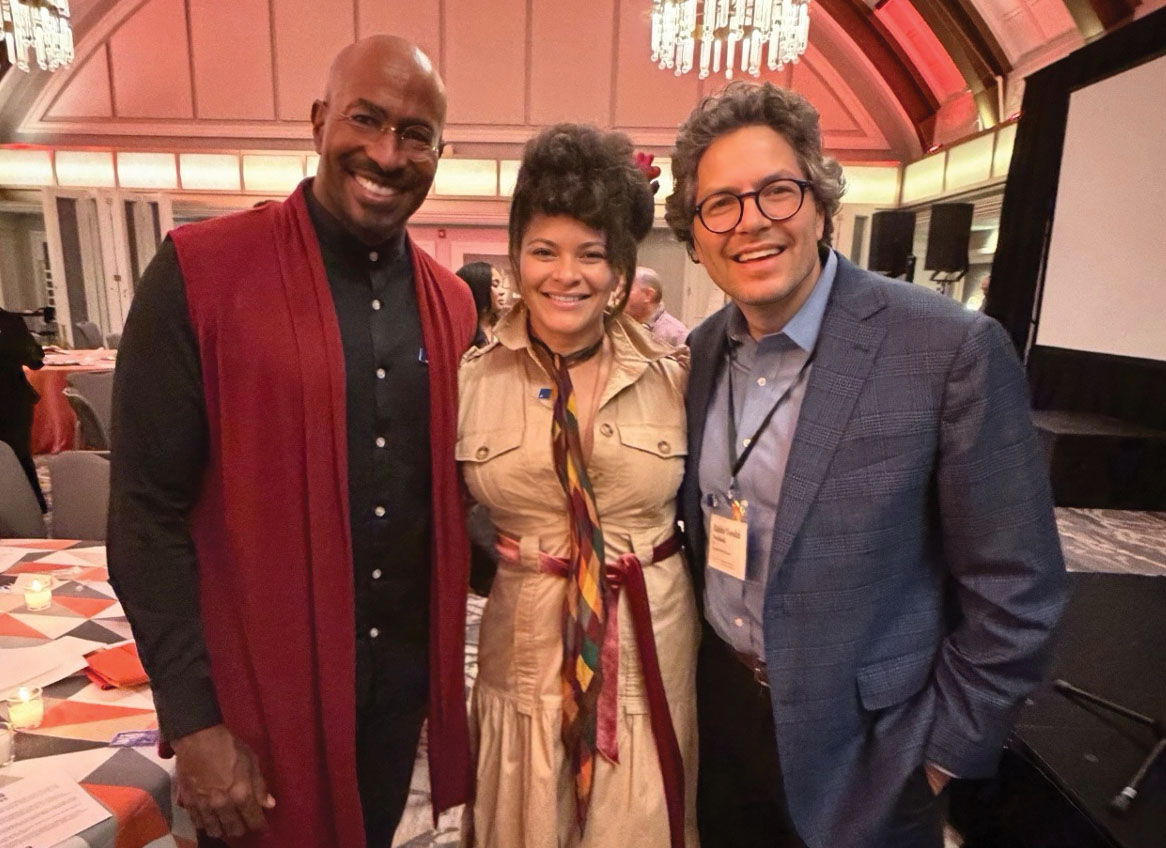
The Tower of Babel reminds us how easily language can divide us. Our shared history reminds us of what becomes possible when we find ways to understand one another.
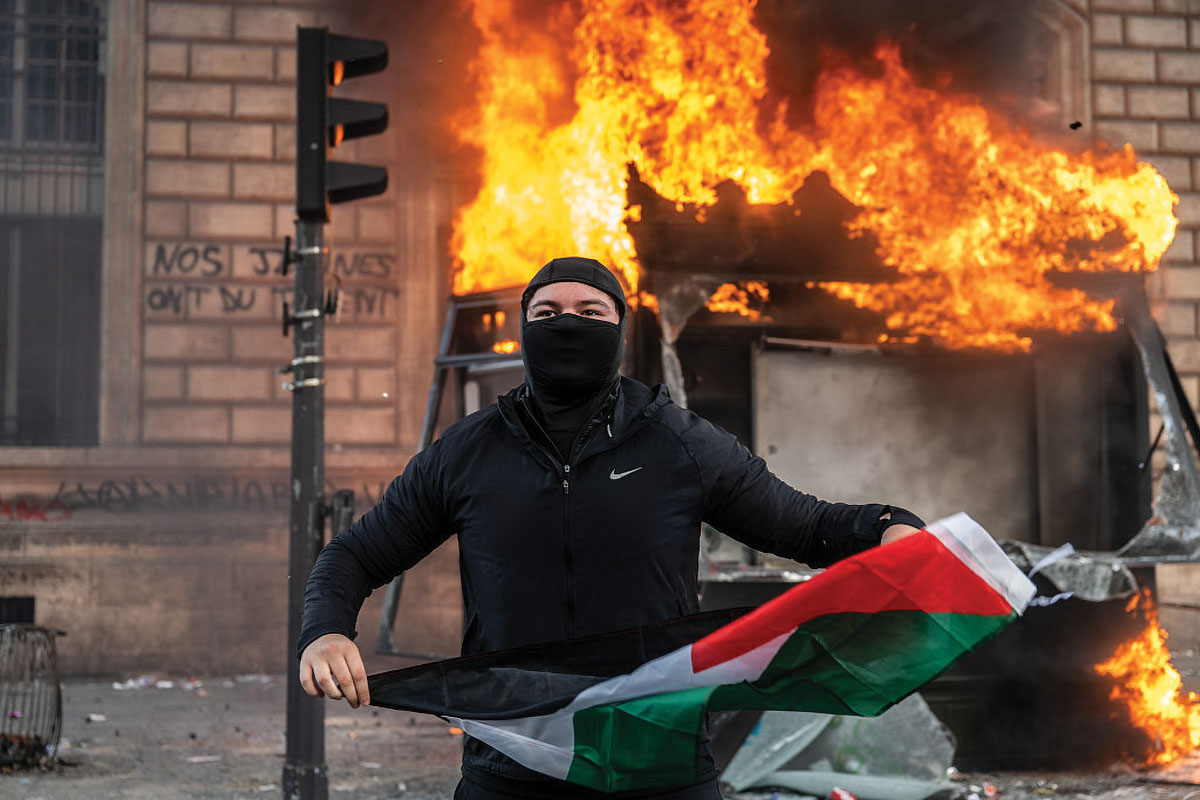
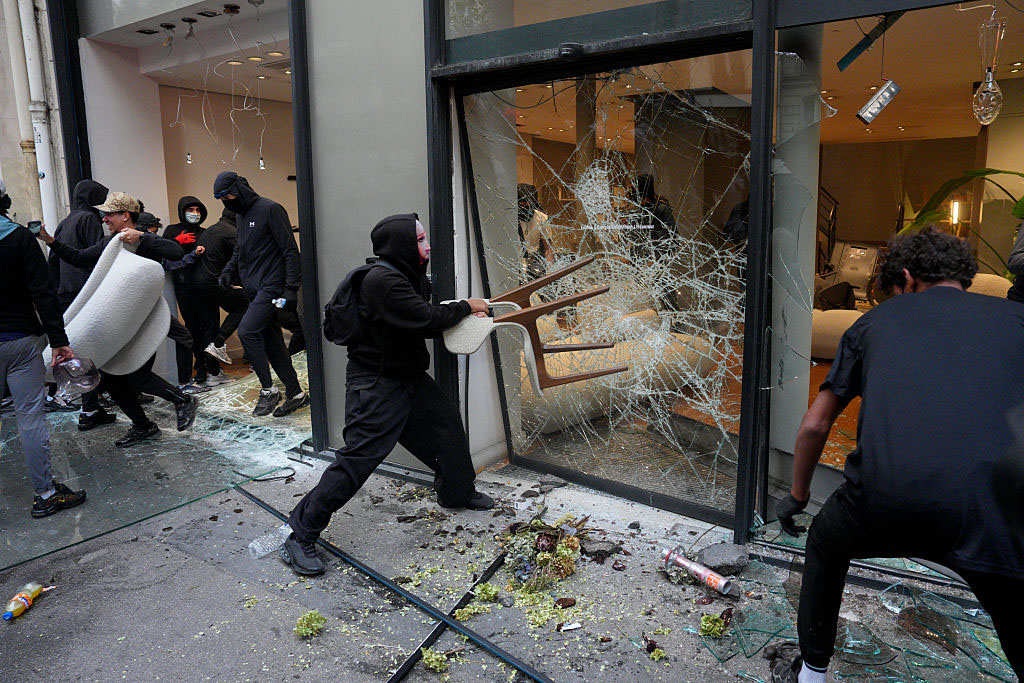
What is especially troubling to me is that at many of these protests in France you will find signs reading “Intifada Revolution” and “From the River to the Sea, Palestine Will Be Arab,” along with ubiquitous Palestinian flags, and Hamas flags too.
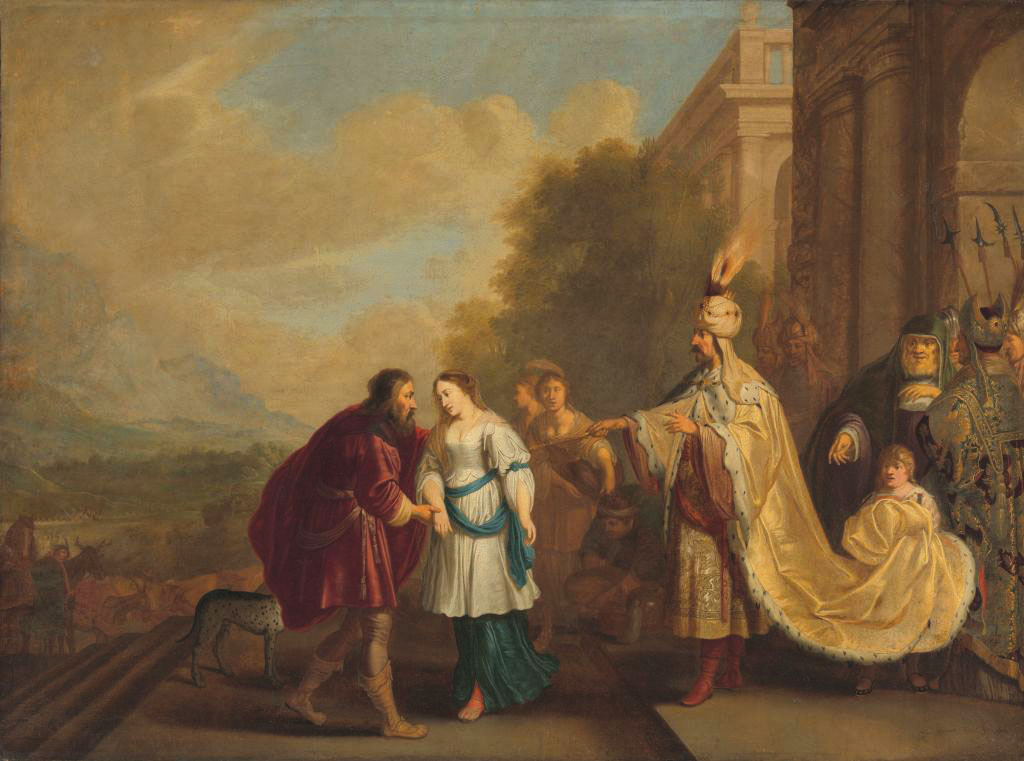
In this parsha, we meet the first hire — employee #1 — of Jew, Inc. a new God-created enterprise that will change everything.
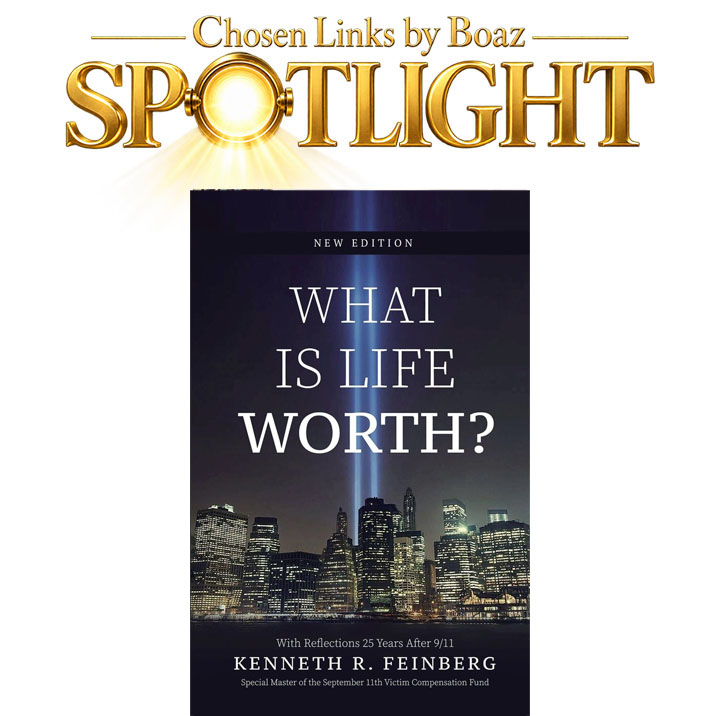
Determine how much a man’s life – and death – are WORTH? The man who did this for the 9/11 families!
