Just when you thought you were safe from Jewish content in a Marty Scorsese thriller starring Leonard DiCaprio, “Shutter Island” takes you to Dachau.
Now, unless you read the Dennis Lehane novel upon which the film is based, it may have come as a shock that the weekend’s $40.2 million hit was fueled by Holocaust imagery and narrative. Turns out, DiCaprio’s character is haunted by memories of liberating a concentration camp. And throughout the film, Scorsese drives forward his plot with vivid flashbacks of death camp carnage, where thousands of bodies lay frozen in piles.
As an American soldier during WWII, DiCaprio’s character is forced into some horrific scenes. These eventually lead to the accidental slaughter of a hundred SS officers. The unintended massacre plagues DiCaprio with guilt; but not too much: he still stands idly by while a Nazi commander botches a suicide attempt and bleeds to death, fully conscious.
The trauma of the death camp experience sends DiCaprio on a psychological spiral. Back home, he starts drinking. Then he marries a woman (Michelle Williams) who turns out to be clinically insane; they have three children together, who drown. DiCaprio sees his dead children in nightmares that take place at Dachau. His wife and children lay with the other dead bodies and call out to him.
“Why didn’t you save me?” his daughter asks.
“I couldn’t get there in time,” he answers, an easy metaphor for Americans arriving at the camps way too late to save the Jews.
As DiCaprio’s character descends into madness, the imagery continues. When he shows up at Shutter Island, he is a Federal Marshal, but soon he is wearing the garb of the inmates. At one point, DiCaprio opens the door to a vast room that looks a lot like a gas chamber. And he stands alone beneath the shower heads.
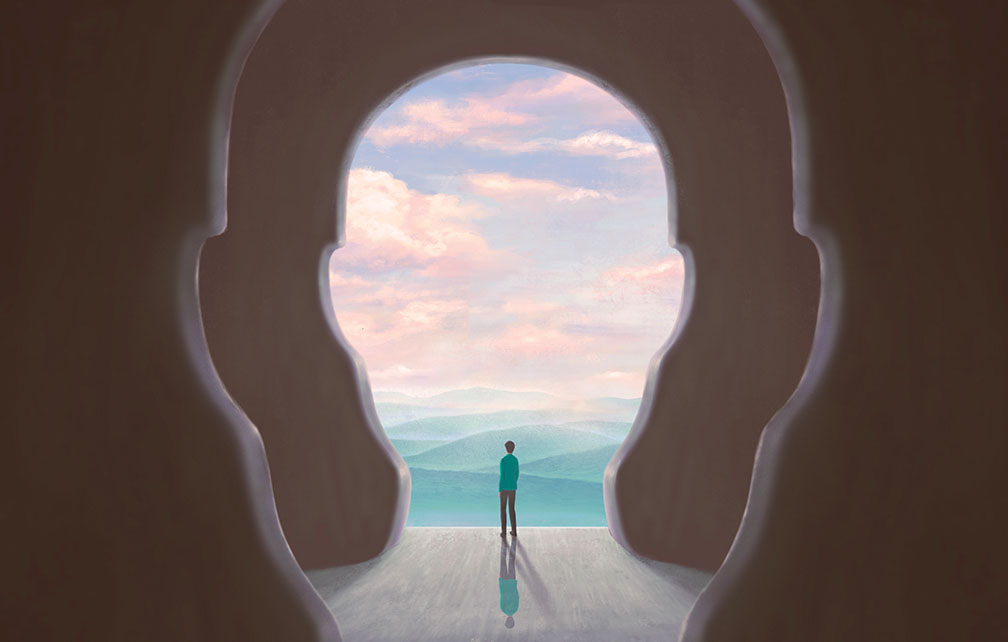
Scorsese’s parallels are obvious: The scenery and the prisoner dress seem to put DiCaprio in the position of the Jewish victim. The difference is that the Jews suffered from external forces and DiCaprio suffers from his own inner demons.