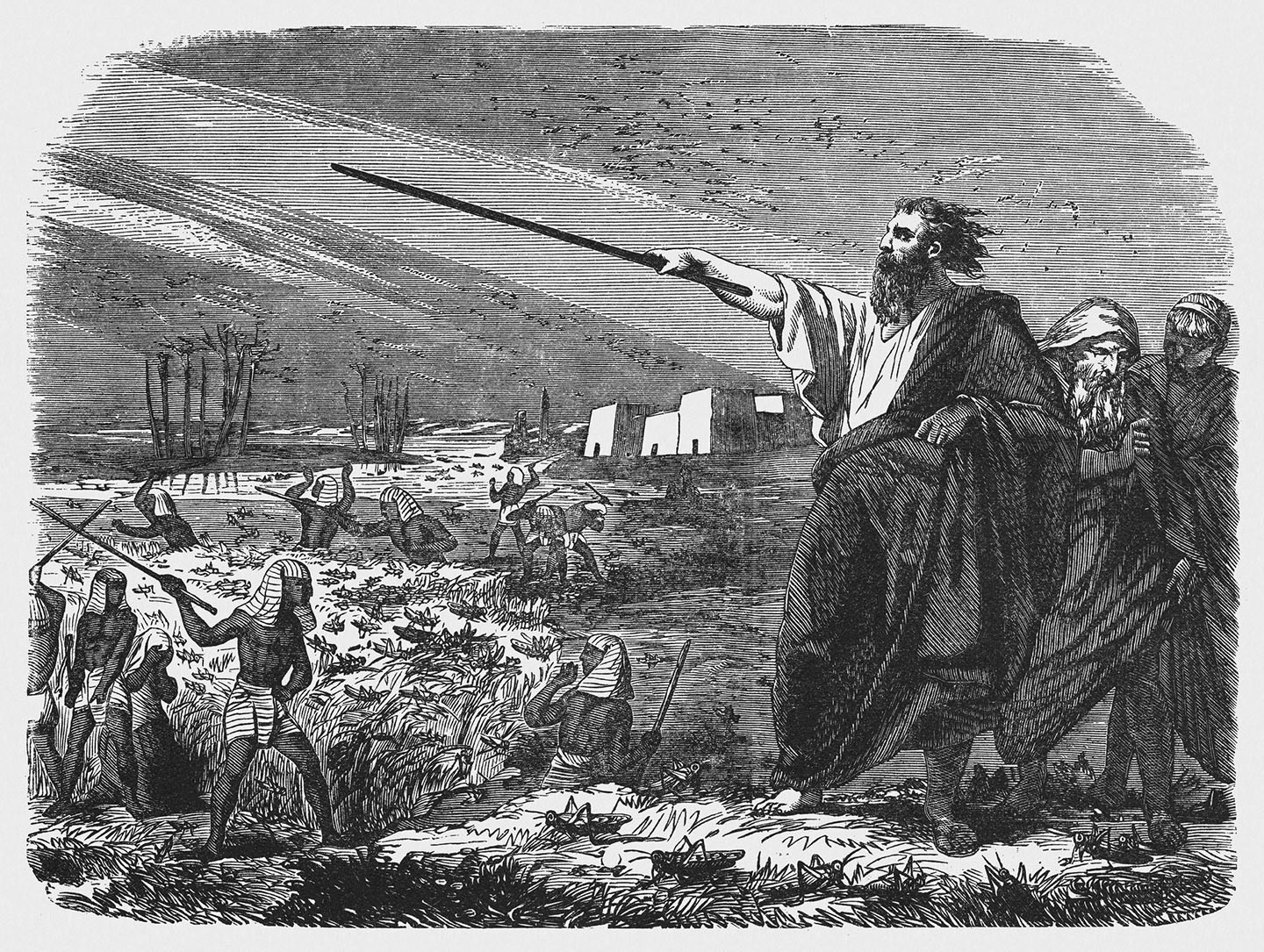
Said Moses: “Let my people go!”
and Pharaoh, who no faith espouses,
replied, “No way!” which, as we know,
caused plagues to fall on all his houses.
The first one turned the river, where
the seven cows who chewed their cud
all vanished into dreamlike air
from water, into crimson blood.
The second plague caused all the frogs
to rise from river to the land,
unwelcome pets replacing dogs,
a sign of God Almighty’s hand.
Then came the third, when all the dust
miraculously turned to lice,
thus making the magicians trust
God’s finger, though they hadn’t twice.
The fourth was every kind of bug
invading the Egyptian house,
mosquitoes like the ones that suck
the blood far worse than any louse.
The next was anthrax, some believe,
bacteria never used by Saddam,
which made Egyptian farmers grieve
because their sheep and cattle had them.
The next plague, which was number six,
gave husbands, wives and brothers, sisters
and little kids who played with bricks,
a dreadful rash with boils and blisters.
The seventh plague was hail that fell
in lumps as big as bowling balls,
while lightning flashed and made life hell
in gardens and in shopping malls.
A swarm of locusts, number eight,
consumed all produce in the land,
and prices rose at such a rate
they even overtook demand.
The ninth plague kept all Egypt dark,
except the Jews who could at leisure
explore, since canines feared to bark,
and inventory Egyptian treasure.
The tenth and last, by far the worst,
killed every firstborn who was male;
death’s angel quenched its bloody thirst
in palace, hovel, even jail.
All Hebrews on that night were spared,
the firstborn of their God, Jehovah,
because they’d sprinkled blood and dared
to eat the lamb they called Passover.
They still recall these plagues each year,
from all their glasses spilling wine,
repeating later, with good cheer:
“I am His loved one, He is mine,”
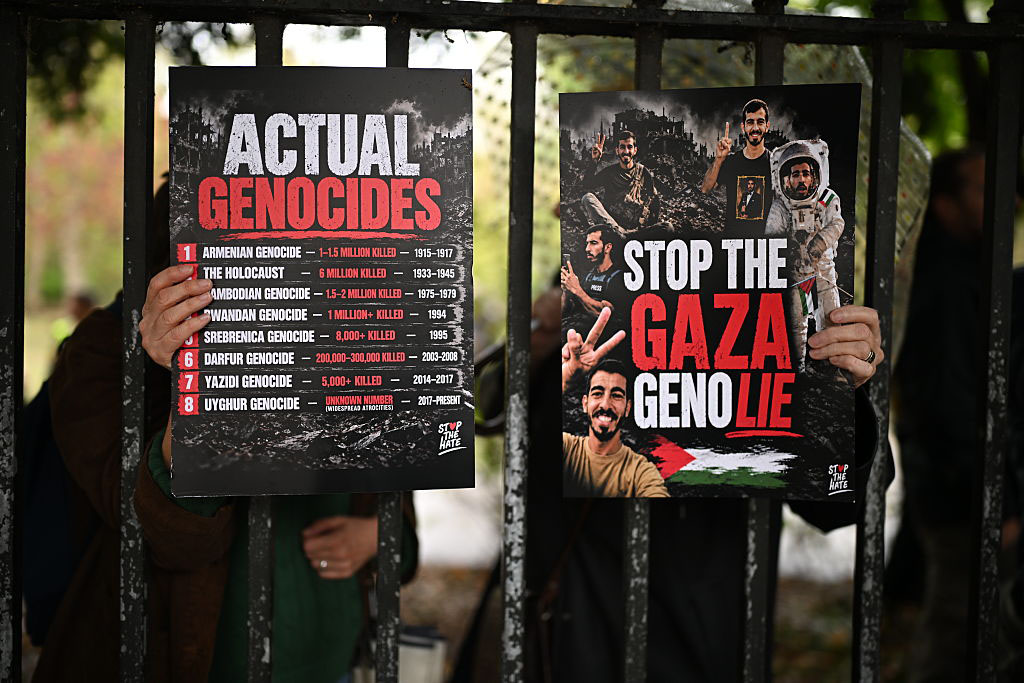
though at the Seder we recall
some other devastating plights,
for we have never beat them all
or can forget the deadly sights
of captured Jews or corpses lying
in pits for dreaded days or years,
when no amount of pleading, crying
brings freedom from incessant tears.
Thus, sadly, while to God we’re praying
to help the whole world live in peace,
we learn to gnash our teeth plus slaying
foes whose numbers don’t decrease.
We long for days when we will thrive,
when nations shall no longer rage,
when God’s great vow: “You will survive!”
brings back the golden Eden age.
Gershon Hepner is a poet who has written over 25,000 poems on subjects ranging from music to literature, politics to Torah. He grew up in England and moved to Los Angeles in 1976. Using his varied interests and experiences, he has authored dozens of papers in medical and academic journals, and authored “Legal Friction: Law, Narrative, and Identity Politics in Biblical Israel.” He can be reached at gershonhepner@gmail.com.