
We call this format a Timesaver Guide to Israel’s Coming Elections. This will be a usual feature on Rosner’s Domain until a new government is formed. We hope to make it short, factual, devoid of election hype.
Bottom Line
Election Handbook: Narrow, Unity or Fourth?
Main News
Right: Netanyahu’s bloc is likely to have 58 seats, three seats short of what’s needed for a coalition. Netanyahu is still seen by many as the victor, but his victory seems smaller today than what it seemed just two days ago.
Coalition: The PM is searching for defectors who might agree to join his coalition. Thus far, all obvious suspects denied any such intention.
Blue and White: A move to use the 62 no-Bibi majority to pass a new law that will prevent the president from appointing a person charged in court to form a government. Simply: Rivlin will not be able to ask Netanyahu to form a government.
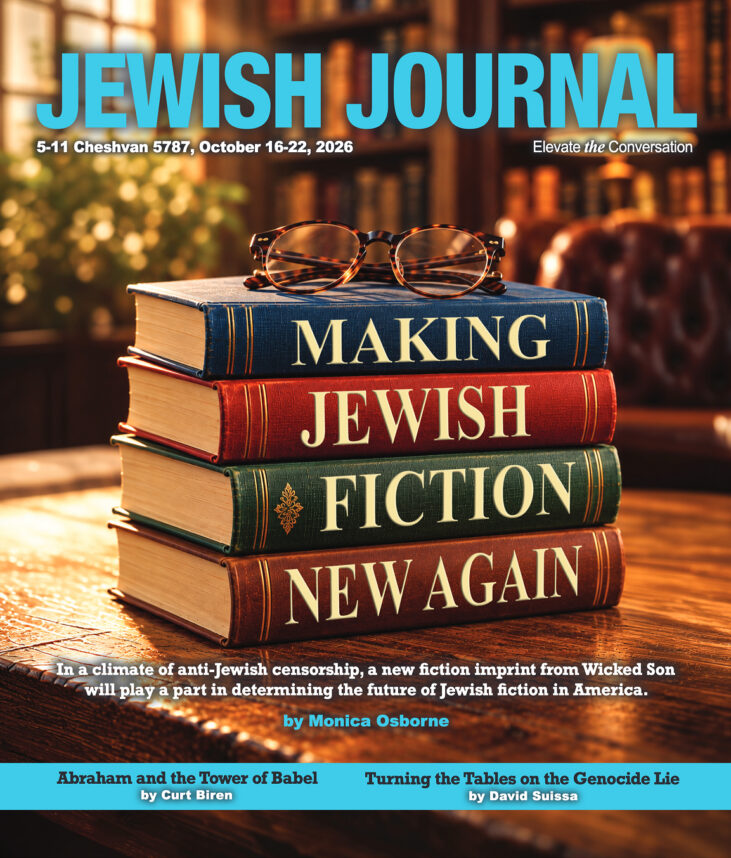
And do not miss my cover story for the weekend Jewish Journal on Netanyahu, Sanders, national election and primary election (online and in print tomorrow).
Developments to Watch
Final count: It could take a few more days before we know for sure the number of seats allocated to each party and bloc..
President’s intentions: Rivlin did not yet hint if he is going to try broker a unity government. He tried and failed back in September and might not want to fail again unless he gets indications from both sides that they are ready to compromise.
The Blocs and Their Meaning
Here are the options for the next few weeks, assuming the rightwing bloc remains at 58 seats. The bottom line is clear: A fourth election is fast becoming much more realistic than before.

Additional reading material
The Indefatigable, Unbeatable Benjamin Netanyahu (my NYTimes article): “Facing a trial for corruption (to begin March 17), the fatigue of many voters (he’s served as prime minister for more than a decade), two failures last year to form a coalition (in April and September), a formidable opponent (a party headed by three former generals), and a general sense that his era is coming to an end (why else would we go through three elections in one year?), Mr. Netanyahu nonetheless mounted a fierce campaign.”
The Politics of the Rule of Law (my Moment Mag article): “The debate about the power of the law enforcement branch is old and tired, but it gains urgency in a year of three election cycles in which the prime minister is slated to stand trial.”
My book #IsraeliJudaism, Portrait of a Cultural Revolution (with Prof. Camil Fuchs) is available on Amazon.