fbpx

Rosner’s Torah Talk: Parashat Lech Lecha with Rabbanit Alissa Thomas-Newborn

[additional-authors]
October 26, 2017

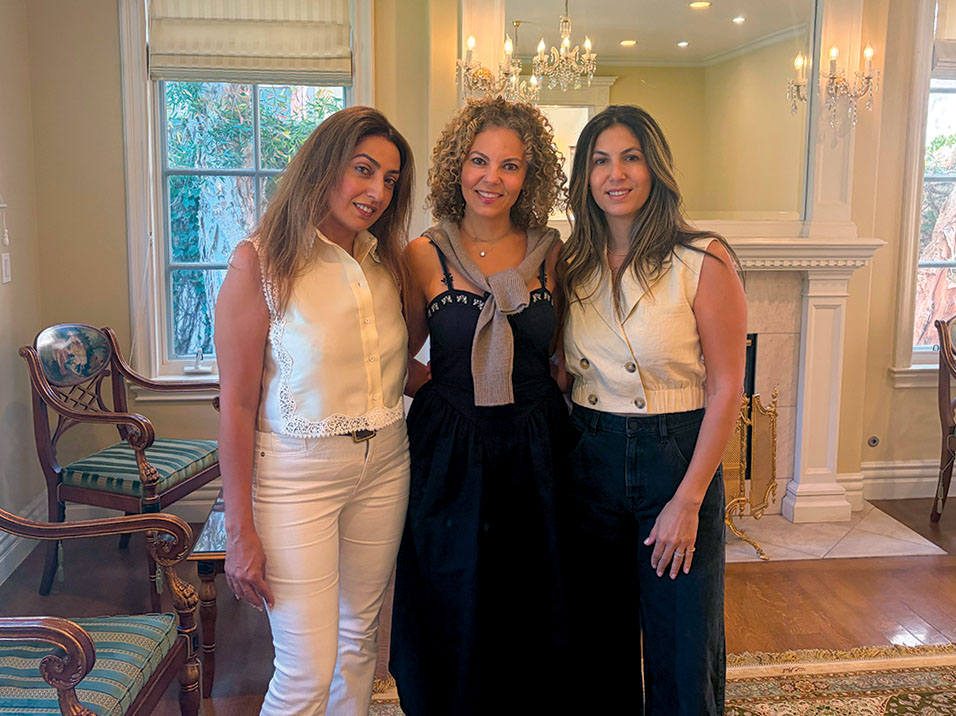
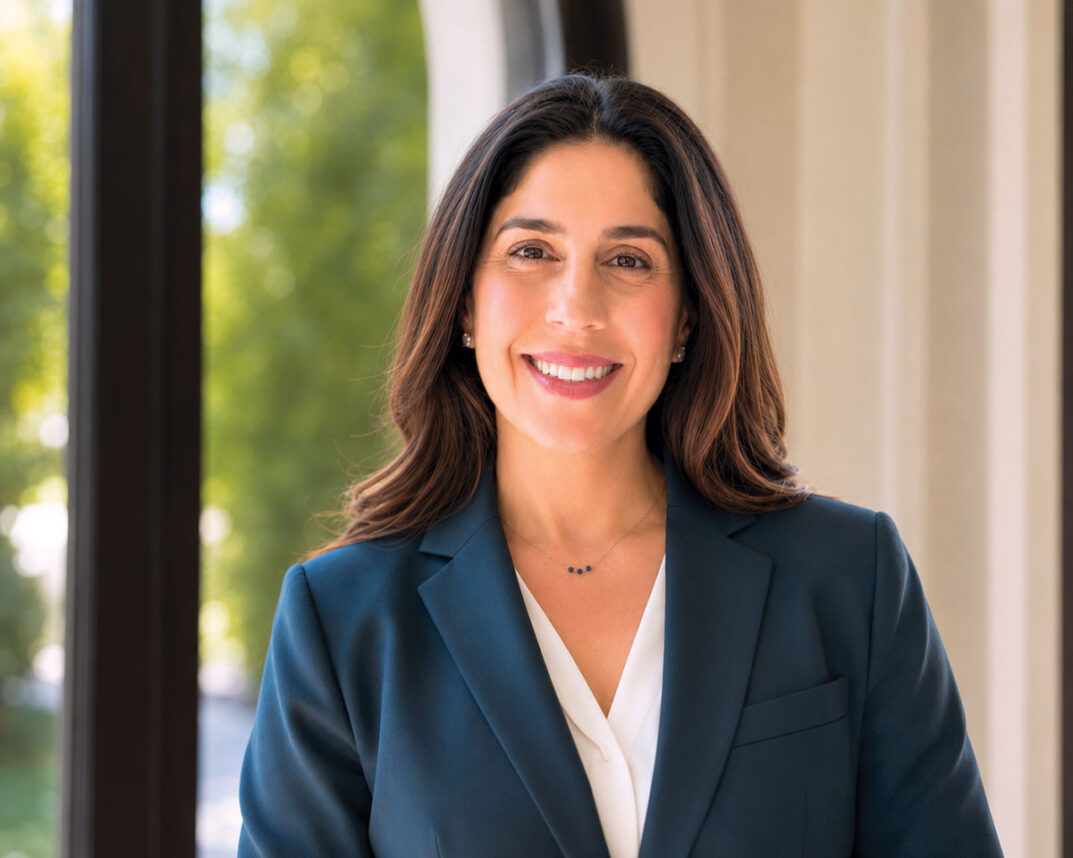
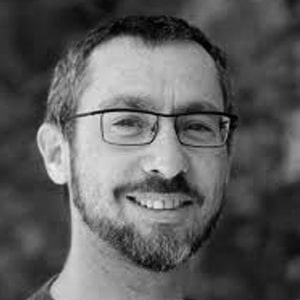
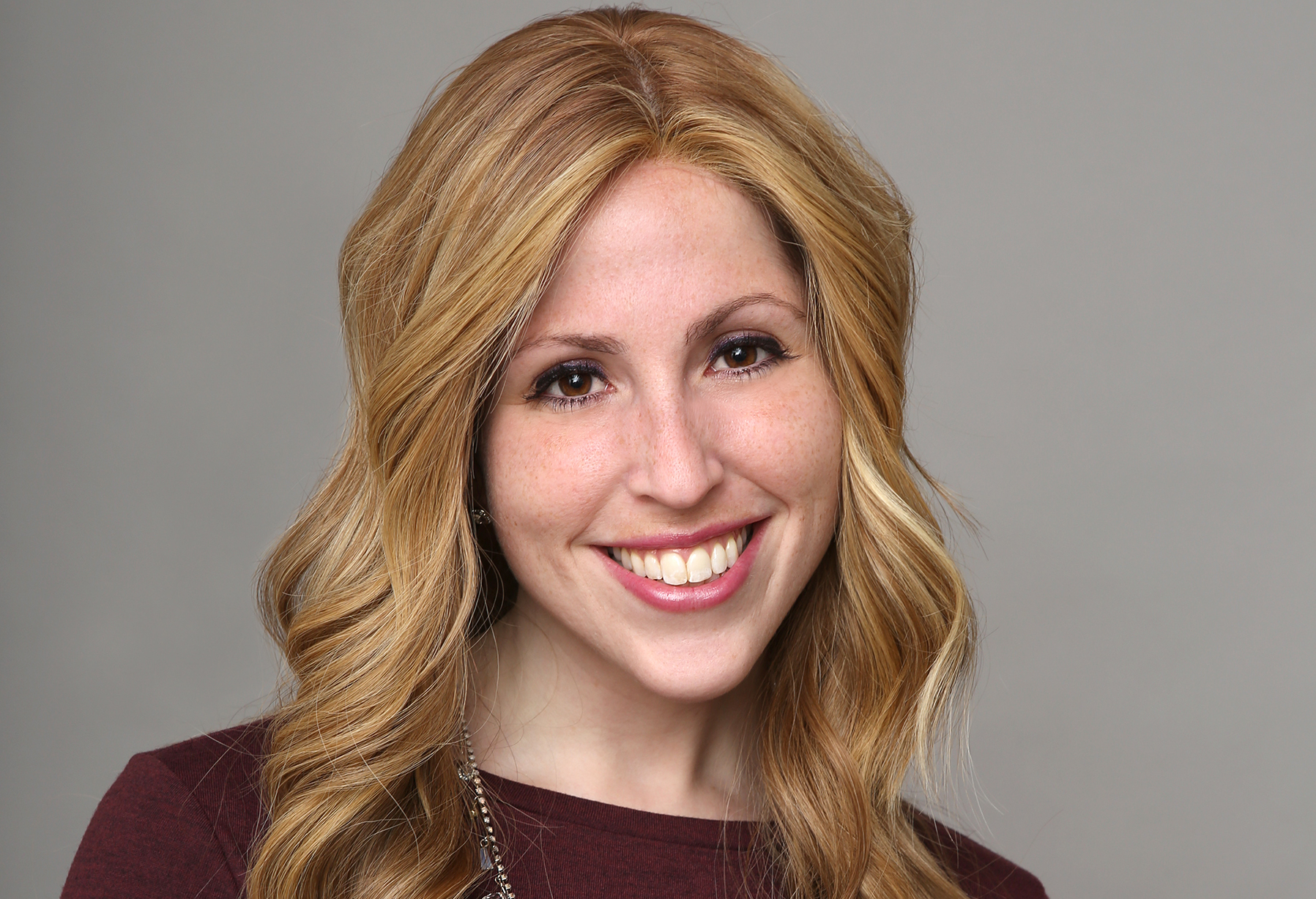
Our guest this week is Rabbanit Alissa Thomas-Newborn of the B’nai David-Judea community in L.A. Rabbanit Thomas-Newborn is a graduate of Yeshivat Maharat and of Brandeis University. Rabbanit Alissa is also a Board Certified Chaplain (BCC) through Neshama: the Association of Jewish Chaplains. She has specialities in Palliative Care, End of Life Care, and Psychiatric Care. She has worked as a chaplain at Cedars-Sinai Medical Center, New York-Presbyterian Columbia University Medical Center, and Bellevue Hospital. She was also a writer for the Center for Jewish End of Life Care at Metropolitan Jewish Health System. Rabbanit Thomas-Newborn was a fellow both at Clal: The National Center for Jewish Learning and Leadership and at the UJA-Federation of New York Wiener Educational Center. She has been a Scholar-in-Residence at various universities and shuls around the country.

This week’s Torah portion — Parashat Lech Lecha (Genesis 12:1–17:27) — features Abram’s Journey to the land of Canaan, his forced departure to Egypt, his covenant with God, the birth of Ishmael, Abram’s circumcision, and the changing of his name to Abraham. Our discussion focuses on the difficult beginning of Abraham’s journey and on how flaws and mistakes can actually be essential to a holy journey.


Our past discussions of Parashat Lech Lecha:

Rabbi Avram Mlotek on the idea of being “on the other side”

Rabbi Michelle Dardashti on why Abraham is sent forth by God and why he’s responsive to God’s call

Rabbi Hyim Schafner on the character of Abraham, why he was chosen, and the importance of his journey to Israel

Danya Ruttenberg on the symbolic nature of the uncertainty facing Abraham and the problematic father-son relationships in the stories of the patriarchs


Did you enjoy this article?
You'll love our roundtable.

Editor's Picks

Latest Articles

The Shofar Blower

Through poetic reflections, Torah wisdom and personal stories, Salem explores the shofar as a tool for mindfulness, healing, surrender and inner transformation.

Still Committed to Plan A

What I learned most from the people who told us their stories is that the Australian Jewish community is in a state of shock but is resilient, going about its day-to-day life in the way Jews have practiced for generations in the face of hatred.

The Definitive Look at Israel’s Wartime Decision-Makers

As Israel stands on the cusp of an election and the U.S. enacts economic sanctions against Iran after military strikes failed to achieve a definitive victory, a newly released book serves as a must-read to understand the current moment.

The Case for Optimism

If we change our focus, we can see the world differently, and do what Jews do well – make the world better.

Elevate Your Tzedakah on the High Holy Days

While we may never fully know the spiritual outcome of our High Holiday prayers or the impact of our repentance, the tangible power of tzedakah is undeniable. Every dollar contributed leaves an imprint.

How Do People Change?

When does the Jewish calendar ask us to study human transformation? Rosh Hashanah — what we might call “the beginning of transformation.”

The Universalism that Makes Room for Difference

Judaism insists that there is something precious about belonging to a particular people, observing a particular tradition, and living within a particular covenant. But precisely because it does not require every human being to join that covenant, it can make room for difference.

Inward, Upward, Outward

Every new year confronts us with a seminal question: What in our lives is worth repeating, and what needs to change?

More news and opinions than at a Shabbat dinner, right in your inbox.