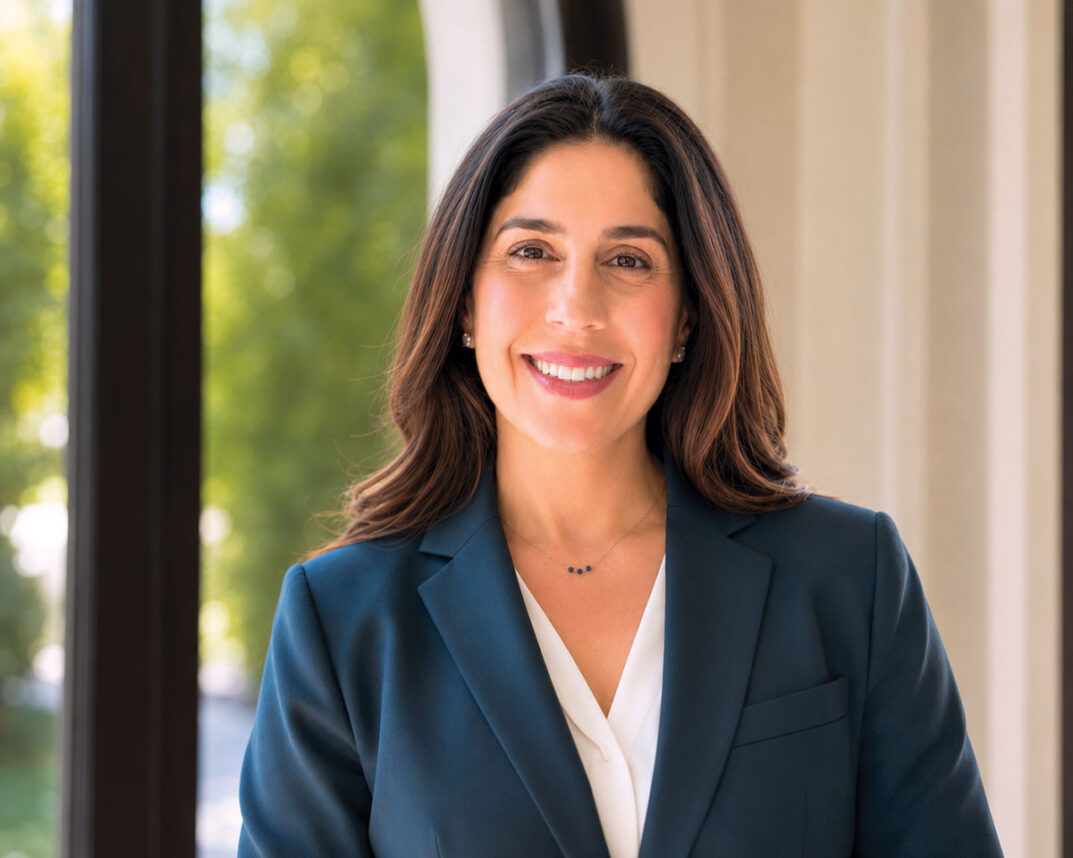

Our guest this week is Rabbi Adina Lewittes of Sha’ar Communities. Rabbi Lewittes was ordained in 1993 at the Jewish Theological Seminary, the first Canadian woman to become a Conservative Rabbi. Later, at JTS, she served as the first female Assistant Dean of the Rabbinical School. Rabbi Lewittes has held various leadership positions in the wider community, in addition to founding and leading Sha’ar Communities. Recently, she was invited to become a member of the Senior Rabbinic Faculty of the Shalom Hartman Institute. She is married to Andi Lewittes and is the mother of four children and stepmother of two.
This week’s Torah portion — Parashat Toldot (Genesis 25:19-28:9) — tells us the fascinating story of Jacob and Esau and of the selling of Esau’s birthright to Jacob. Our discussion focuses on Rivka’s controversial role in Isaac’s blessing and on the questions that the whole episode raises about ritual.
https://youtu.be/bIRvfAOMtvE
Our Past discussions of Toldot:
Rabbi Yael Saidoff on the complex relationships between the four heroes of the parasha
Rabbi Aderet Drucker on the dangers of not communicating openly and honestly
Rabbi Robert Scheinberg on the demonizing of Essau in the Jewish tradition
Maharat Ruth Balinsky Friedman on the complex family dynamic in Isaac’s family