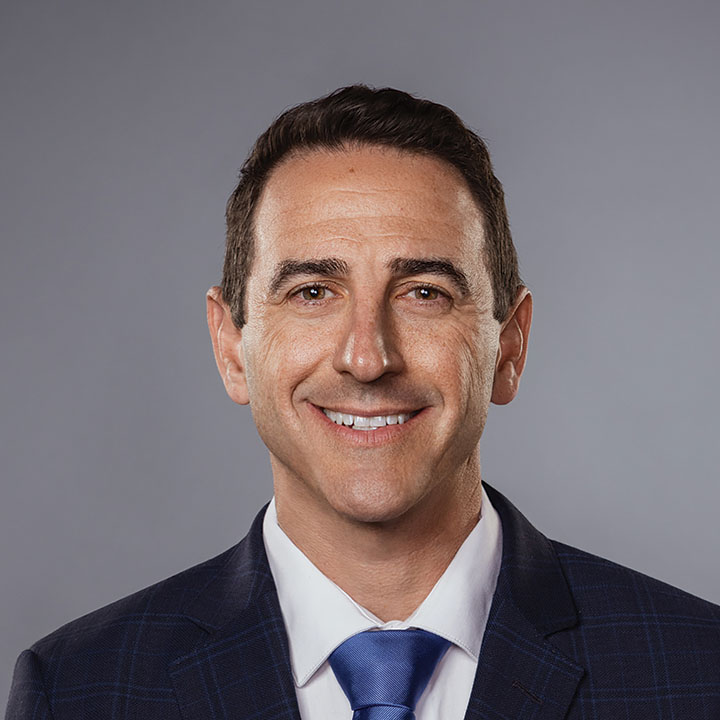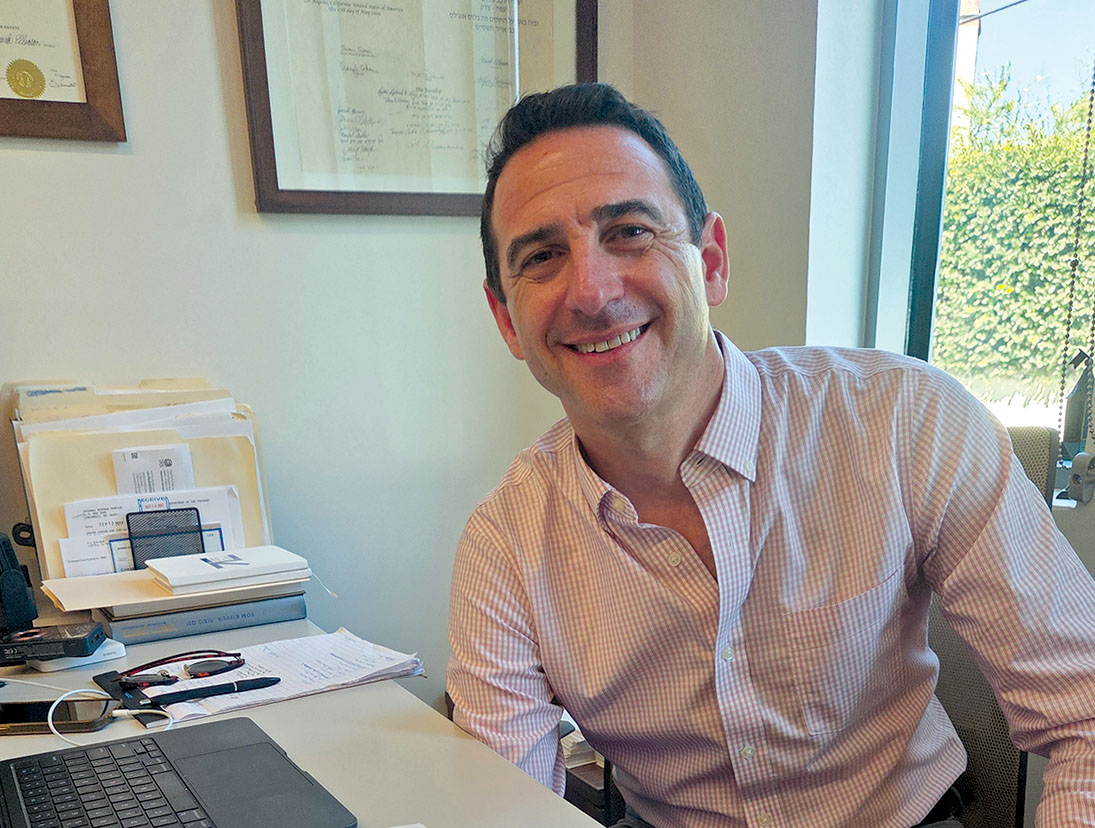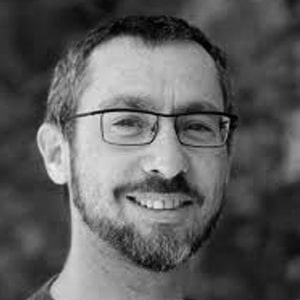

Out guest this week is Rabbi Philip Scheim of Toronto’s Beth David congregation. Rabbi Scheim is also the president of the Rabbinical Assembly. His career in the rabbinate began in 1981, when he was appointed Assistant Rabbi at Beth David B’nai Israel Beth Am. In August of 1984, Rabbi Scheim was officially designated Senior Rabbi of the congregation, and has continued to serve in that capacity ever since.
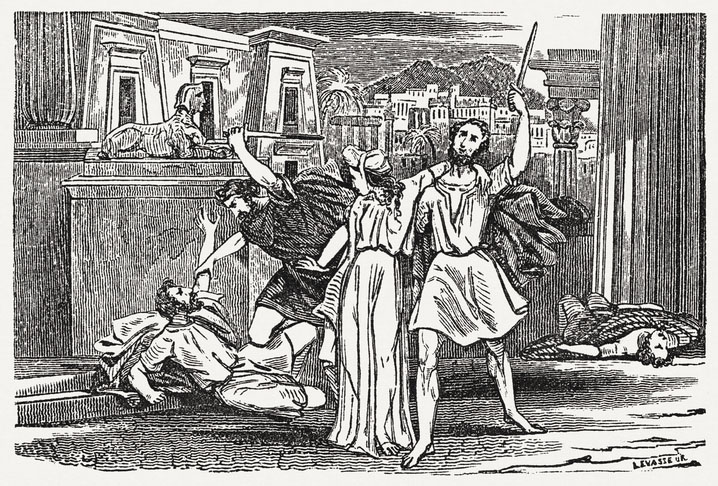
In this Week’s Torah Portion – Parashat Ekev (Deuteronomy 7:12-11:25) – Moses continues his address to the people of Israel, promising them that they will prosper in the land of Israel if they obey God’s commandments. He reminds them of their sins, but stresses God’s forgiveness. Moses describes the land of Israel to the people, demands that they destroy the idols of its former dwellers, and warns them of thinking that their power and might, rather than the lord, have gotten them their wealth. Our discussion focuses on Moses’ retelling of the Golden Calf story and on the reasons behind God’s forgivness toward the people of Israel.
https://www.youtube.com/watch?v=YAT1LdgzqIE&feature=youtu.be
Our Past discussions of Parashat Ekev:
Rabbi William Hamilton on the differences between the two versions of the story about the Golden Calf.
Rabbi Robert Dobrusin on the importance of allowing our faith to grow with us and adapt to different circumstances in our lives
Rabbi Brad Hirschfield on the conditional and unconditional aspects of God’s covenant with Israel