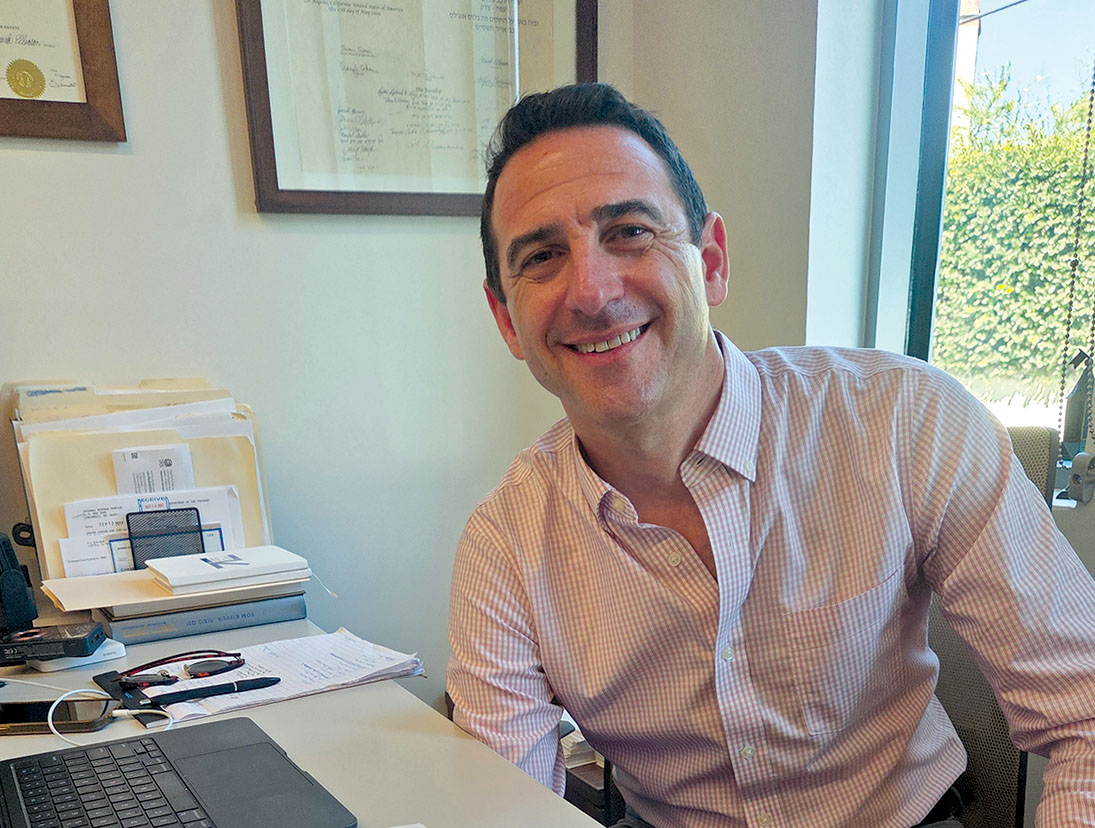
Our guest this week is Rabbi Robert Dobrusin of the Temple Beth Israel congregation in Ann Arbor, Michigan. Rabbi Dobrusin has served as Rabbi at Beth Israel since 1988. He received his B.A. in Near Eastern and Judaic Studies from Brandeis University and an M.A. and Rabbinic ordination from the Jewish Theological Seminary of America. In 2010, he received an honorary Doctor of Divinity Degree from JTS. Rabbi Dobrusin is an active supporter of many different Jewish organizations and has served in the past as co-chair for T’ruah: A Rabbinic Call For Human Rights. He is a founding member of the Interfaith Round Table of Washtenaw County and has served on the board of directors for several other community agencies. He also blogs at rabbirobdobrusinblog.wordpress.com.
In this Week's Torah Portion- Parashat Eikev (Deuteronomy 7:12-11:25)- Moses continues his address to the people of Israel, promising them that they will prosper in the land of Israel if they obey God's commandments. He reminds them of their sins, but stresses God's forgiveness. Moses describes the land of Israel to the people, demands that they destroy the idols of its former dwellers, and warns them of thinking that their power and might, rather than the lord, have gotten them their wealth. Our discussion focuses on a very curious line in the portion which mentions that the clothes the people of Israel wore in the desert “did not wear out” and on the idea that it alludes to faith in God and the importance of allowing our faith to grow with us and adapt to different circumstances in our lives.
If you would like to learn some more about parashat Eikev, take a look at our discussion with Rabbi Brad Hirschfield.