According to my son, Disney’s “The Lion King” isthe greatest film ever made. He saw it three times in the theater,and insisted on playing the soundtrack every morning on our way toschool. All the way to kindergarten, we sang the film’s stirringtheme song, “The Circle of Life,” until, one morning, I listened tothe words.
The Circle of Life may be humanity’s most popularidea. Nature is all circles: day and night; the turning of theseasons; the revolutions of planets; birth, growth, maturity, decay,death and rebirth. The Circle of Life roots human experience innature and finds the same cyclical pattern in life.
If life is a circle, then death is not an end.Death is not a tragedy. Death is only an invitation to rebirth andrenewal. This is the “myth of eternal return” — the phoenix risingfrom its ashes. No wonder so much of humanity, including Disney,finds comfort in this idea.
The circle, according to Joseph Campbell, is themost ubiquitous symbol in world religion: Buddhists have prayerwheels, Moslems circle the Kaaba, and Native Americans build villagesin circles. Christianity, with its faith in death and resurrection,is all circles.
In Judaism, however, you find no circles. Jewishtradition rebelled against circles because it perceived the deadlyimplications of this belief. Life as a circle is closed, its patternfixed, and nothing new can enter.
“Utter futility!
“Only that shall happen, which hashappened;
“Only that occur, which has occurred;
“There is nothing new under the sun!”(Ecclesiastes 1).
Can there be a more hopeless idea than history,like nature, bound to repeat itself in endless cycles of war,holocaust, plague and destruction? Can we never learn? Can we neverchange?
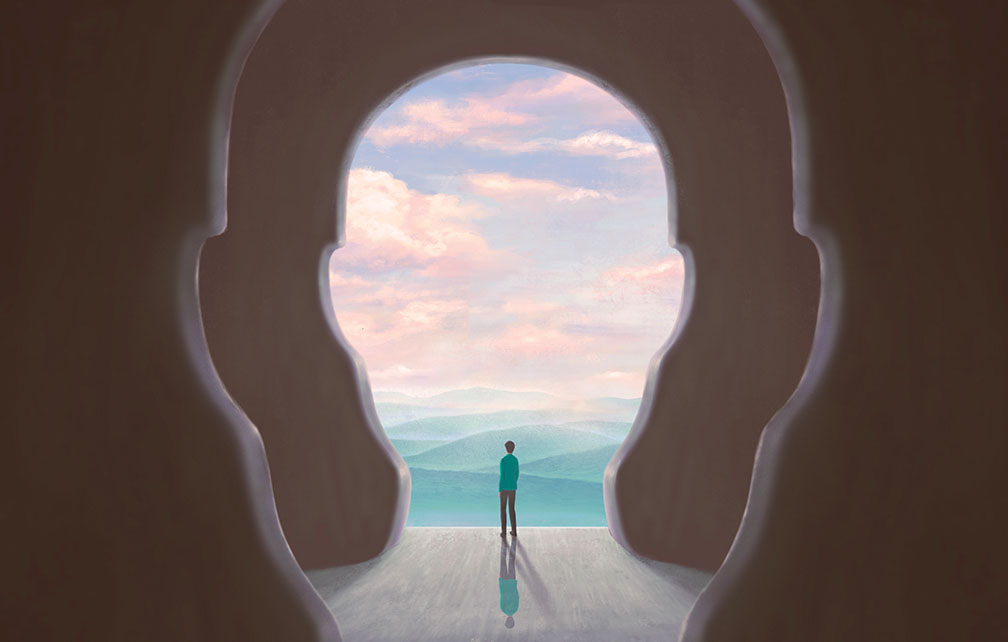
In the Circle of Life, the individual isextinguished. When there’s nothing new under the sun, there’s nothingnew that I, as an individual, can bring to the world. Anything Idream has already been done. Anything I do will only be washed awayby time until some fool in the next generation arrives at the sameplan and tries again. Ultimately, the Circle of Life is a philosophyof defeat and passivity. If all is fated to repeat, why dream? Whytry? Why bother? Don’t worry. Be happy.
Judaism passionately rejected the Circle of Life.It offered a radical new idea: “Breshit” (“The Beginning”). We are apeople obsessed with beginnings. Our High Holidays commence with RoshHashanah, the new year. According to the Mishna, there are actuallyfour New Years in the Jewish calendar. Twelve times a year, RoshHodesh, the arrival of a new month, is celebrated. The Torah openswith Breshit, “In the Beginning.”
We believe in beginnings because we believe thatthe world can change. We believe that people can change. Destiny isnot fixed. And personality is not fixed. We have the freedom tochoose to be the people we would be. We have the power to create theworld as we would want it. No force of human nature, of destiny, ofheaven, of karma, can rob us of that freedom, and none can relieve usof its responsibility.
We believe in beginnings because we believe thatthe human individual is precious — brought into this world to addsomething totally new and unprecedented. We have expectations foreach human individual. Each of us carries one word of God’s message.Only with your word, your contribution, will the message ever beintelligible, will the world be complete.
As organisms, we live in natural cycles. But asmoral beings, our history is a line, with a beginning and an end,with progress and regress.
The Torah’s central metaphor is a journey. Historyis the trek from Egypt to Canaan, from the House of Bondage to thePromised Land. Whether we, by our efforts and pursuits, have movedthe world forward toward the promise, or backward toward slavery, isthe ultimate measure and significance of our lives.
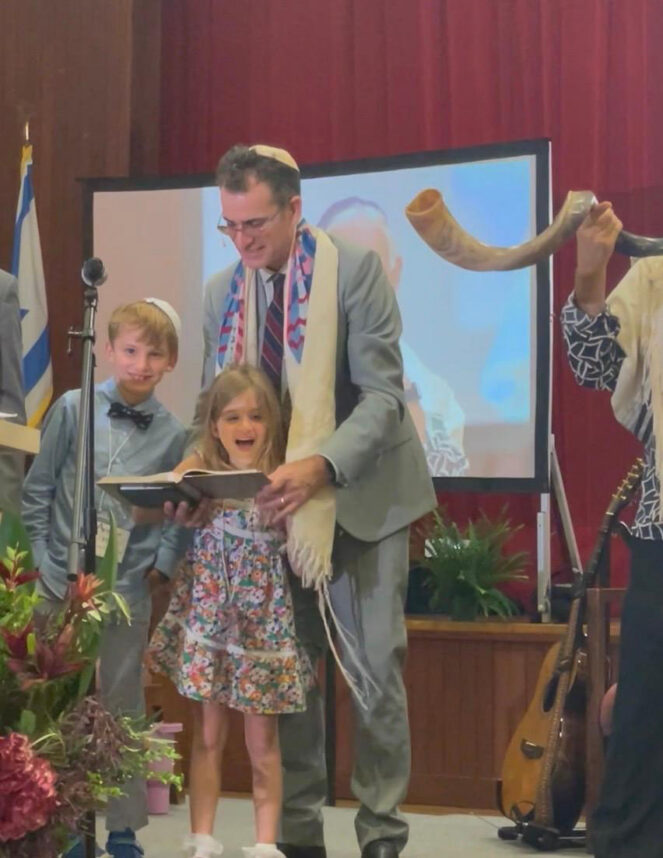
On Rosh Hashanah, we blow the shofar and sing”Hayom Harat Olom” (“Today is the world’s birthday”). Today, webegin. Today, we celebrate a world of openness and possibilities.Today, we accept the responsibility to move and heal the world.Today, we renew our expectations and our ideals. Today, a new daynever before seen, and never to be repeated.
Ed Feinstein is rabbi at Valley Beth Shalom inEncino.
All rights reserved by author.