
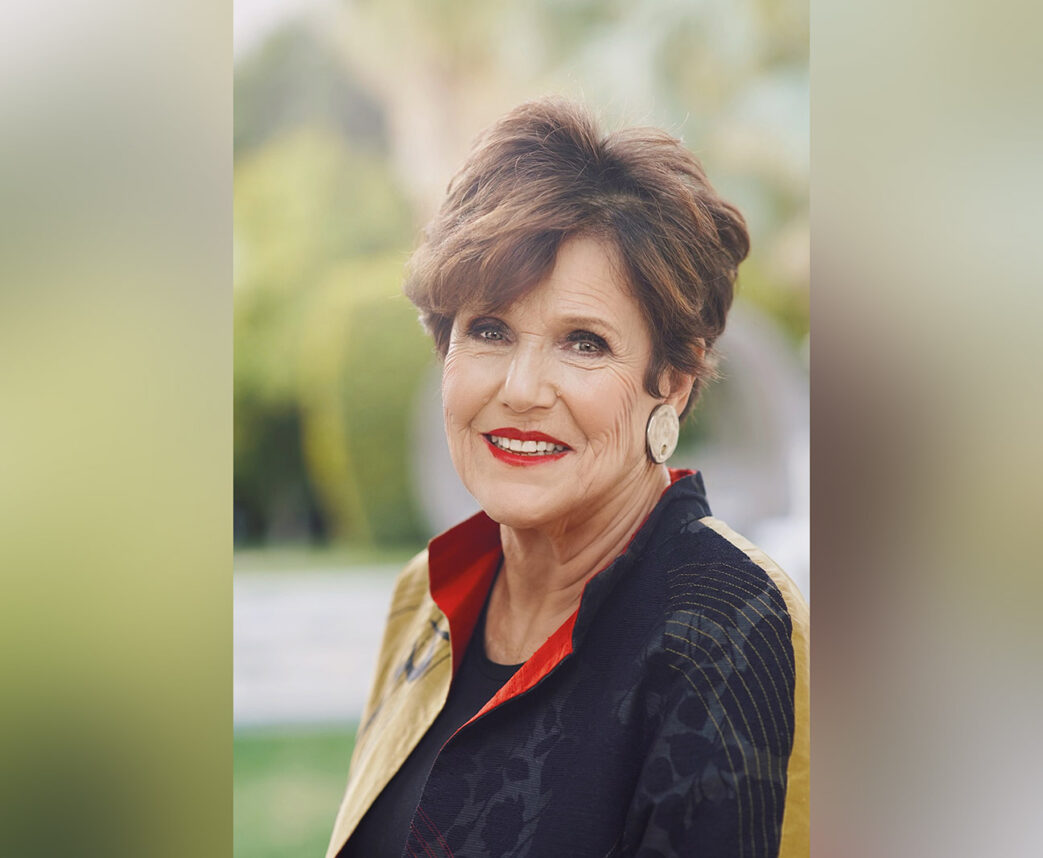
Playwright Paula Vogel grew up in suburban Maryland, where the country clubs did not accept her Jewish father. She endured genteel but unmistaken anti-Semitism at Bryn Mawr.
“Because I am a Jew and a woman, I understand marginalization,” says Vogel, author of the Pulitzer Prize-winning “How I Learned to Drive.” “And that has been my great strength as a playwright. If one is marginalized, one understands empathy, and what it feels like to be the other.”
Vogel, 47, silver-haired and confrontational, is a lesbian feminist playwright who has made a career of writing about The Other. Her plays, always provocative and un-P.C., have tackled AIDS (“The Baltimore Waltz”), prostitution (“The Oldest Profession”), pornography and domestic violence.
Now comes “How I Learned to Drive,” about a “Lolita”-like affair between Li’l Bit (Molly Ringwald), a teen-ager, and her Uncle Peck (Brian Kerwin), a decidedly sympathetic and charming pedophile.
“I wanted to make the subject difficult and uncomfortable,” says Vogel, who has been fascinated by the issue since reading Nabokov’s “Lolita” when she was 20.
At the time, she wondered if she could tell the story from the female victim’s point of view; later, while teaching at Brown University, she met her share of victims. Students spoke to her of abuse by beloved relatives, not by strangers in trench coats.
Eventually, Vogel read medical abstracts about pedophilia; researched the histories of Playboy and the Vargas pinup girls; listened to the music of the 1960s (“There is a whole genre of ’16’ songs about girls with older men”); and compared it all to the Calvin Klein billboards of the 1990s. She read about the murder of JonBenet Ramsey. “We are trained,” she says, “to be pedophiles in this culture.”
“How I Learned to Drive,” Vogel insists, is not meant to excuse the pedophiles, but is “a gift to my students.” The story of Li’l Bit “explores how adolescents are confused by all the mixed messages,” she says. “And it provides a road map to suggest how a survivor of abuse can ‘drive’ through the trauma.”
“How I Learned to Drive” runs through April 4 at the Mark Taper Forum. For tickets, call (213) 628-2772.


















 More news and opinions than at a Shabbat dinner, right in your inbox.