Our guest this week is Rabbi Aaron Bergman, senior rabbi of the Adat Shalom congregation in Detroit, Michigan. Rabbi Bergman is a Detroit native and a graduate of the University of Michigan. He was ordained at the Jewish Theological Seminary and pursued additional graduate work in Jewish Folklore at the Hebrew University in Jerusalem. He was part of the educators program at the Shalom Hartman Institute. Rabbi Bergman served as a rabbi at Congregation Beth Ahm and was Rabbi-in-Residence at Hillel Day School. He was the founding Director of Jewish Studies at the Frankel Jewish Academy and has been an instructor in the Melton Adult Education program.
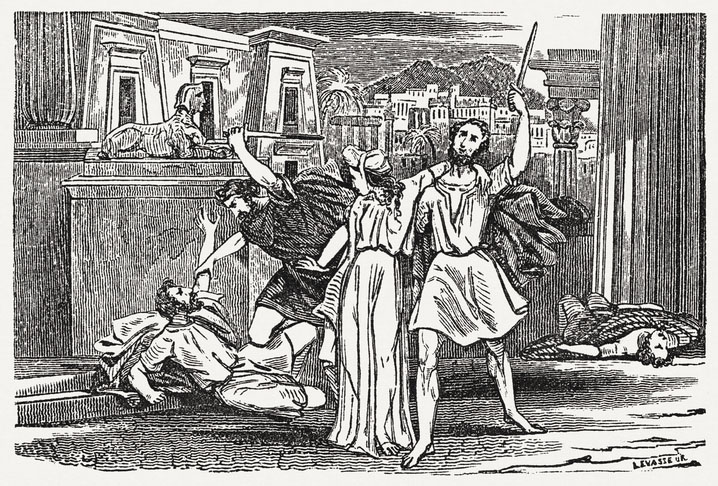
This week's Torah portion – Parashat Miketz (Genesis 41:1-44:17) – features the second part of the story of Joseph and his brothers. The parasha begins with Joseph interpreting the Pharaoh's dream and continues to tell us about Joseph's rise to power, about the seven years of famine, and about Joseph's first re-encounter with his brothers who come to Egypt to purchase grain. Our discussion focuses on the idea of the transformation of the family of Israel into the people of Israel, on the role of humility in the parasha, and on the story's curiously abrupt ending.
If you would like to learn some more about parashat Miketz, take a look at our discussion with Rabbi Yehuda Mirsky.