
This coming attraction will soon be playing in Los Angeles, but for the moment, you’ll have to go to the University of Florida in Gainesville to see a new exhibit honoring those from the United States and Canada who fought for Israel’s independence in the 1940s.
The central display of the Aliyah Bet and Machal Museum, which opens formally this week, commemorates the deeds of the two groups of volunteers for whom the museum is named. The Aliyah Bet portion honors the 240 North Americans who manned rickety ships and ran the British blockade to bring Holocaust survivors and refugees to Palestine between 1946 and 1948, in a clandestine operation. Among the 12 ships was the famed “Exodus 1947.”
Machal is the Hebrew acronym for volunteers from abroad, or the “Anglo-Saxim,” as they were informally called. About 1,000 North American men and women made their way to the nascent state to serve in the air force, navy and army. Most of the volunteers were World War II veterans and the combat-seasoned fighter pilots who, in particular, formed the backbone of the fledgling Israeli air force.
Early next year, a West Coast replica of the Florida exhibit will be installed at the University of Judaism in Bel Air.
The contributions of the North American volunteers were acknowledged by Prime Minister Yitzhak Rabin in words engraved in the Machal Memorial at the gateway to Jerusalem.
“They came to us when we needed them most, during those hard and uncertain days of the War of Independence.”
Alongside is another inscription from the Book of Joshua: “All those of valor shall pass armed among your brethren, and shall help them.”
In addition to the North Americans, some 2,500 volunteers from 40 countries served in Machal.
The museum is housed in the university’s new Hillel building. It consists of cabinets framing seven large and seven small panels. In documents, graphics and text, the exhibit documents the history of Zionism and American support, arms acquisition and the recruitment of volunteers: Aliyah Bet and navy service; and Machal volunteers in the Israel Defense Forces.
The final panel commemorates the 40 North Americans who were killed in action, among them Col. David “Mickey” Marcus and seven Christian volunteers.
The Los Angeles exhibit, organized by Dr. Jason Fenton, will add an eighth panel on the contributions of some 450 volunteers from the West Coast, and those who “illegally” provided Israel with desperately needed arms and aircraft.
“We are honored to accept the Aliyah Bet/Machal display and we are delighted to provide a permanent home for these historic panels,” said Dr. Robert Wexler, president of the University of Judaism.
Some 100 surviving Aliyah Bet and Machal veterans and their families are expected at the dedication ceremonies, scheduled for Nov. 19 and 20 at the Hillel building.
Main speakers will be Yitschak Ben Gad, the Israeli consul general in Miami, and Ira Feinberg, president of the American Veterans of Israel, the organization that sponsored the $100,000 project. They will be joined by Dr. Ralph L. Lowenstein, dean emeritus of the College of Journalism and Communication on the Gainesville campus, and director of the new museum.
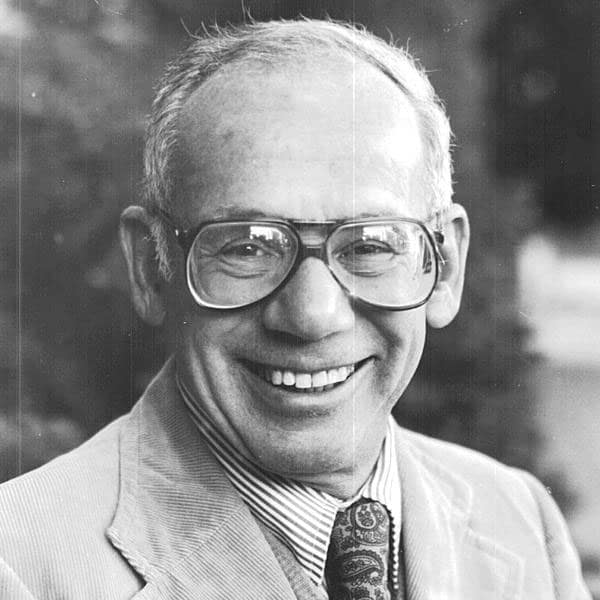
Lowenstein has been the chief catalyst in the creation of the museum and also established the Aliyah Bet and Machal Archives at the University of Florida. An award-winning reporter and author, he fought with an armored unit in Israel as an 18-year-old volunteer, and later served in the U.S. Army during the Korean War.
“The North American Jewish communities made important contributions to the establishment of the Jewish state,” Lowenstein said. “This story is not well known in America or Israel. Now, with the establishment of the museums on both coasts, this story is being told.”
A letter in the exhibit summarizes the spirit of the volunteers..
“If anything should ever happen to me, I shall not be sorry that I have come to Eretz Israel,” wrote Ralph Moster, a 24-year-old from Vancouver, Canada, who wrote his mother in June 1948. “I am grateful to you for having brought me into the world at a time that I have a chance to fight for a free land for the Jews.”
Six months later, Moster was killed in action.
For more information on the museum, visit www.israelvets.com.

































