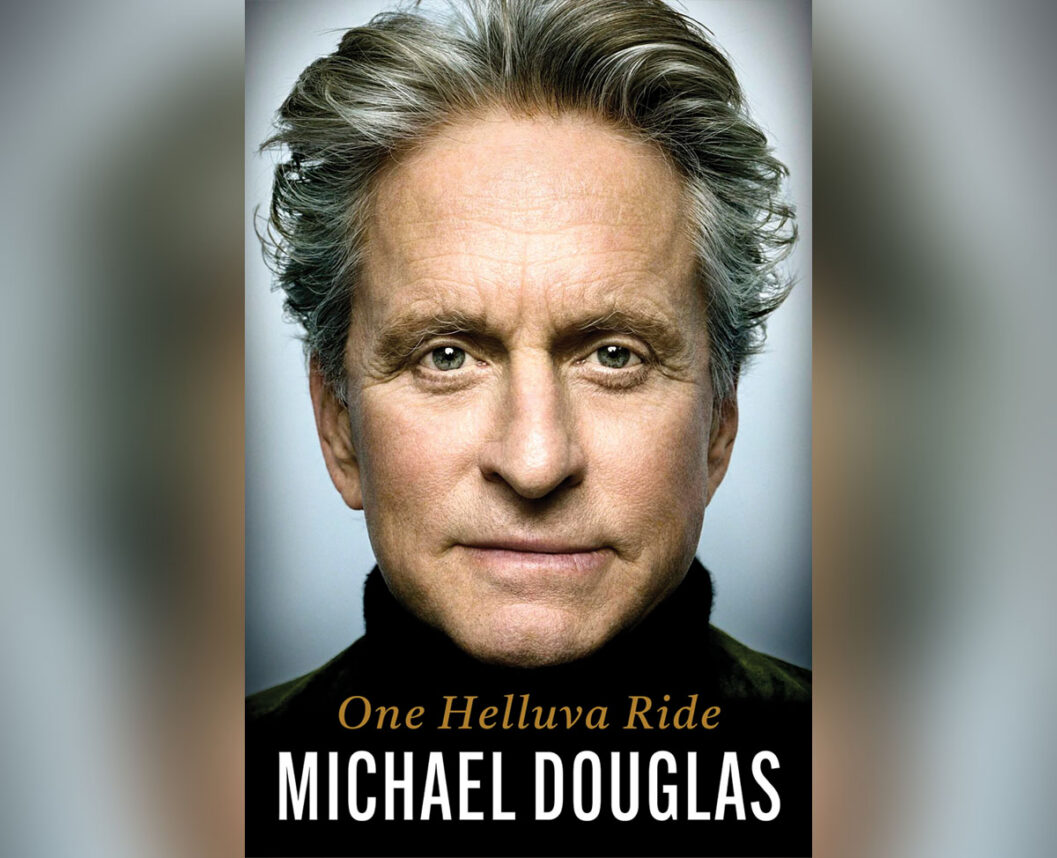
In the mid-1990s, William McRaven, then a U.S. Navy SEAL, wrote a book about commando operations. Entitled “Spec Ops: Case Studies in Special Operations Warfare: Theory and Practice” (Presidio Press), the book featured six case studies. One chapter was devoted to Entebbe, beginning with the lessons learned in the Israel Defense Forces as a whole, and in the Sayeret Matkal special operations unit in particular, after the failure to save the lives of 25 hostages in Ma’alot two years earlier. It included a discussion of Israeli intelligence gathering, decision-making processes, creation of the command and control system, personnel conflicts and the actual rescue operation in Entebbe Airport in Uganda, on July 4, 1976.
One of the slides McRaven subsequently used in lectures was a drawing of the old terminal building there, a sort of elderly relative of the intricate mock-up that McRaven – who is now relinquishing control of the U.S. Joint Special Operations Command (JSOC) in order to be promoted – used for preparing for last week’s targeted raid on Osama bin Laden.
The earliest document in Osama bin Laden’s FBI file, connected to Interpol case 1998/20232, contains an international arrest warrant issued, surprisingly, by the government of Libya. Muammar Gadhafi’s Justice Ministry declared that bin Laden and four of his associates were wanted for the murder of two German citizens in the Libyan city of Sirte in 1994, and for “illegal possession of firearms.” At the bottom of the page, Interpol has prominently added, whether at its own initiative or at Libya’s request, a declaration: The request for extradition of the suspects is relevant to all countries – excluding Israel. The FBI file notes that Theodore Katz, a federal judge in New York, signed an American arrest warrant, should bin Laden show his face (described in the document as having full beard and mustache, olive skin and no scars) in Manhattan. Back in 2000 the bounty offered for him was $5 million. Only after September 11, 2001, was the reward upped to $25 million, with another $2 million thrown into the pot by the American Airline Pilots Association.
Read more at Haaretz.com.