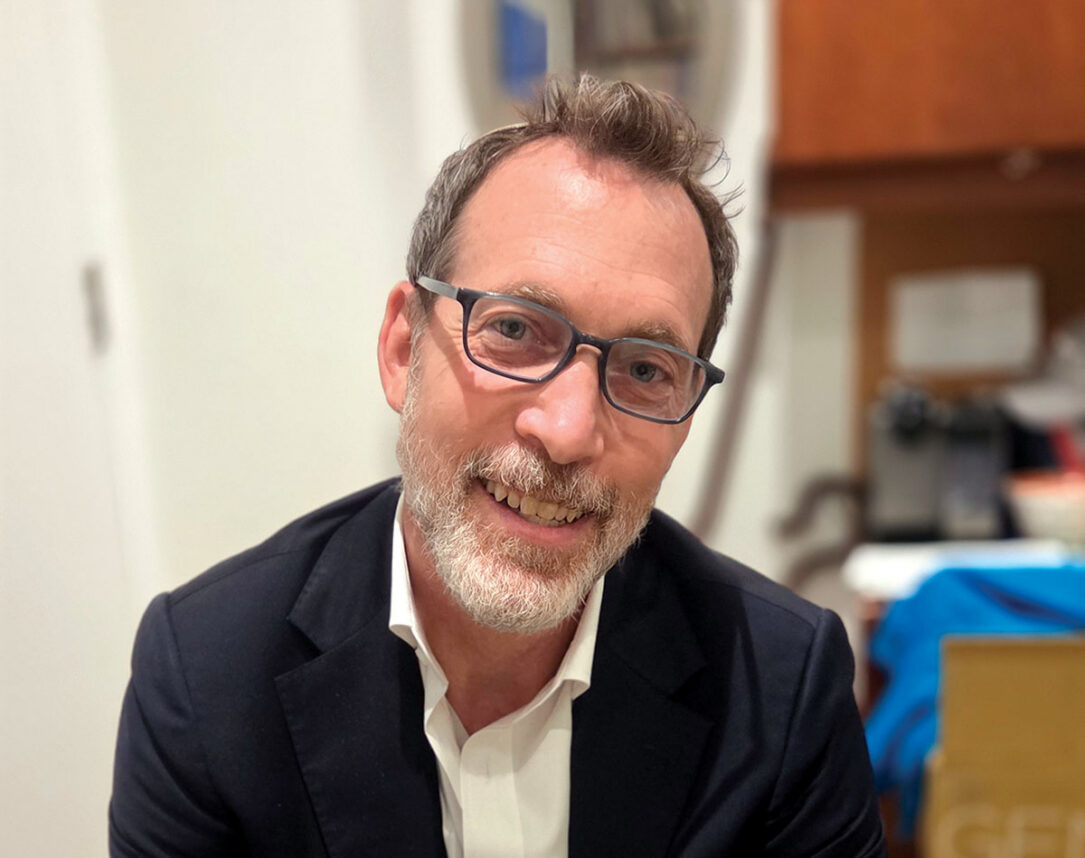
PHILADELPHIA—Rabbi Steven Wernick, religious leader of Adath Israel in Merion Station, has been tapped to be the next professional leader of the United Synagogue of Conservative Judaism, the movement’s congregational arm.
“I’m coming into this job with no illusions about all the challenges that exist,” said Wernick, a Philadelphia native who has led the Main Line synagogue for seven years. Before that he spent six years at Temple Beth Sholom in Cherry Hill, N.J.
“I still feel that United Synagogue has something very important to say to the Jewish world,” the rabbi said in a phone interview.
The news leaked out Wednesday as his contract was still being negotiated and before he was able to inform his congregation.
Wernick is slated to replace the organization’s longtime executive vice president, Rabbi Jerome Epstein.
Wernick’s selection marks the latest in a series of key leadership changes in the Conservative movement.
In 2007, scholar Arnold Eisen, who also grew up in Philadelphia, replaced Rabbi Ismar Schorsch—who was largely viewed as a traditionalist—to head the movement’s flagship institution, the Jewish Theological Seminary, a change that paved the way for the admission of openly gay rabbinical students.
Last year, Rabbi Julie Schonfeld became the first woman picked to lead the Rabbinical Assembly, the movement’s clerical arm. She is slated to assume the post this summer.
The 19-member United Synagogue search committee made its decision within the past week, according to movement officials.
“He really impressed us with his level of energy and his preparedness,” said Ray Goldstein, the lay president of United Synagogue. “He evidently took a congregation from a good solid base and helped to re-energize that congregation.”
Goldstein credited Wernick with helping to create the Conservative movement’s Leadership Council, a regional body that brought together the various arms of the movement. The council, for example, helped organize a series of educational events related to the King Tut exhibit at the Franklin Institute two years ago.
In recent years, the movement’s leadership has engaged in serious and sometimes bitter debate on the future of Conservative Judaism. It has grappled with such issues as the approach to intermarriage and the place of Jewish law in contemporary life. The decision on ordaining gay rabbis was among the most contentious issues.
The Conservative movement, once the strongest stream in the United States, has been losing ground steadily among American Jews to the Reform movement on the left and Orthodoxy on the right. Some observers have made dire predictions that the center position might not hold.
Last week, a group of Conservative rabbis and leaders sent a letter to Goldstein asserting that a fundamental change of direction was needed.
Wernick brushed aside predictions of doom and gloom for the movement. At the same time, he said one of his goals is to re-engage the movement’s core leadership and create stronger partnerships with synagogues that are facing difficult economic times.
“The biggest challenge facing the movement isn’t about ideology or theology,” he said. “It’s about re-engagement, setting priorities and carrying them out.
“Now is a great moment. We need to work together and create an agenda.”
In just a few years, Wernick helped to revitalize Adath Israel and also became involved in the larger community. He serves as co-chair of the adult education committee of the Jewish Federation of Greater Philadelphia’s Center for Jewish Life and Learning.
At his congregation, he said, an innovative program he helped fashion was the Tuttleman Leadership Institute, which each year identifies some 15 congregants who engage in text study, leadership training and personal growth programs.
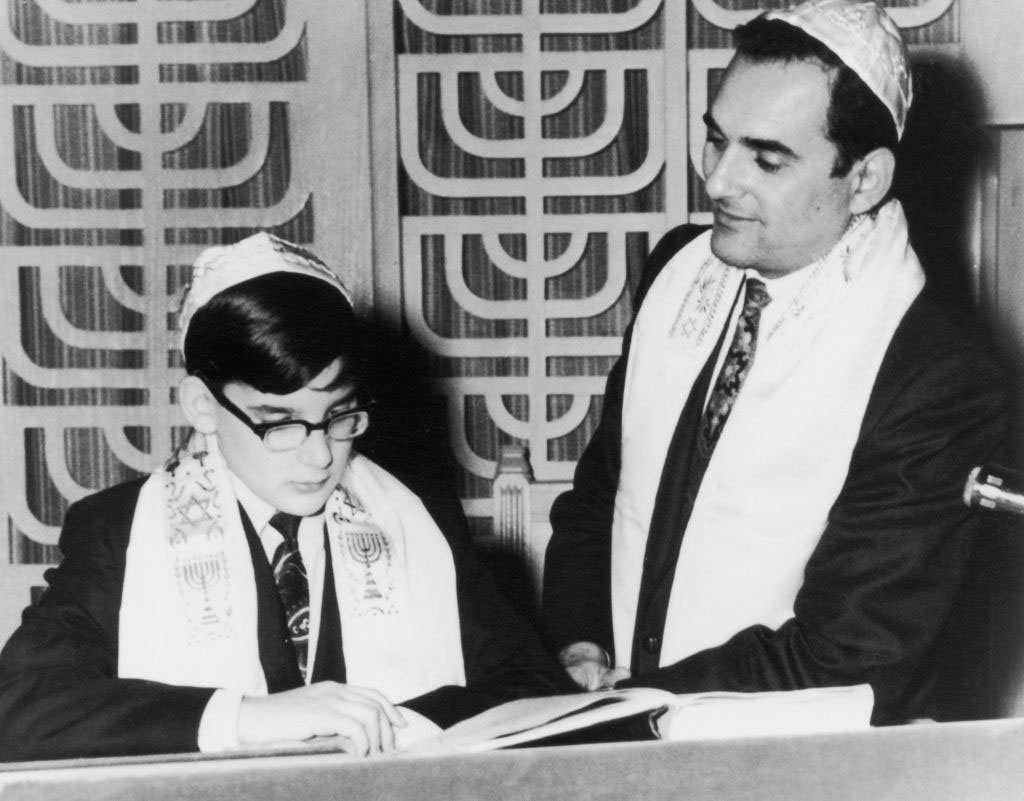
Wernick, a father of three, is the son of Rabbi Eugene Wernick, who served two congregations in the area, including Beth Am Israel.
As a child, he lived in Philadelphia but moved several times, including to California, as his father switched synagogues.
Wernick said he is not sure yet whether he’ll have to relocate to New York for his new position.
Bryan Schwartzman is a staff writer for the Philadelphia Jewish Exponent.