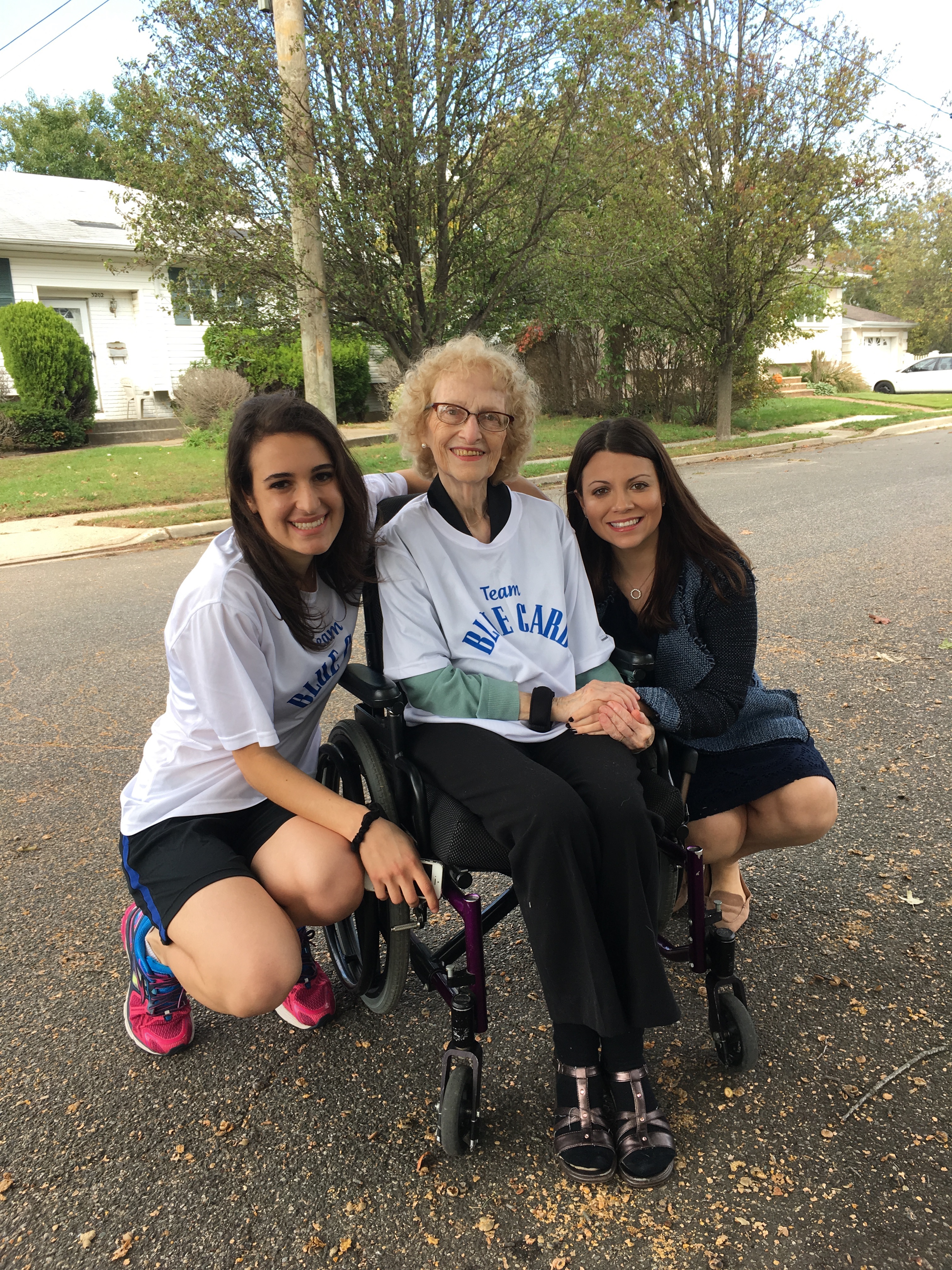
As Jews and non-Jews alike commemorate the horrors of the Holocaust on Yom Hashoah, it’s worth noting that there are Holocaust survivors out there who are in dire need of help, and there are plenty of ways that you can help them.
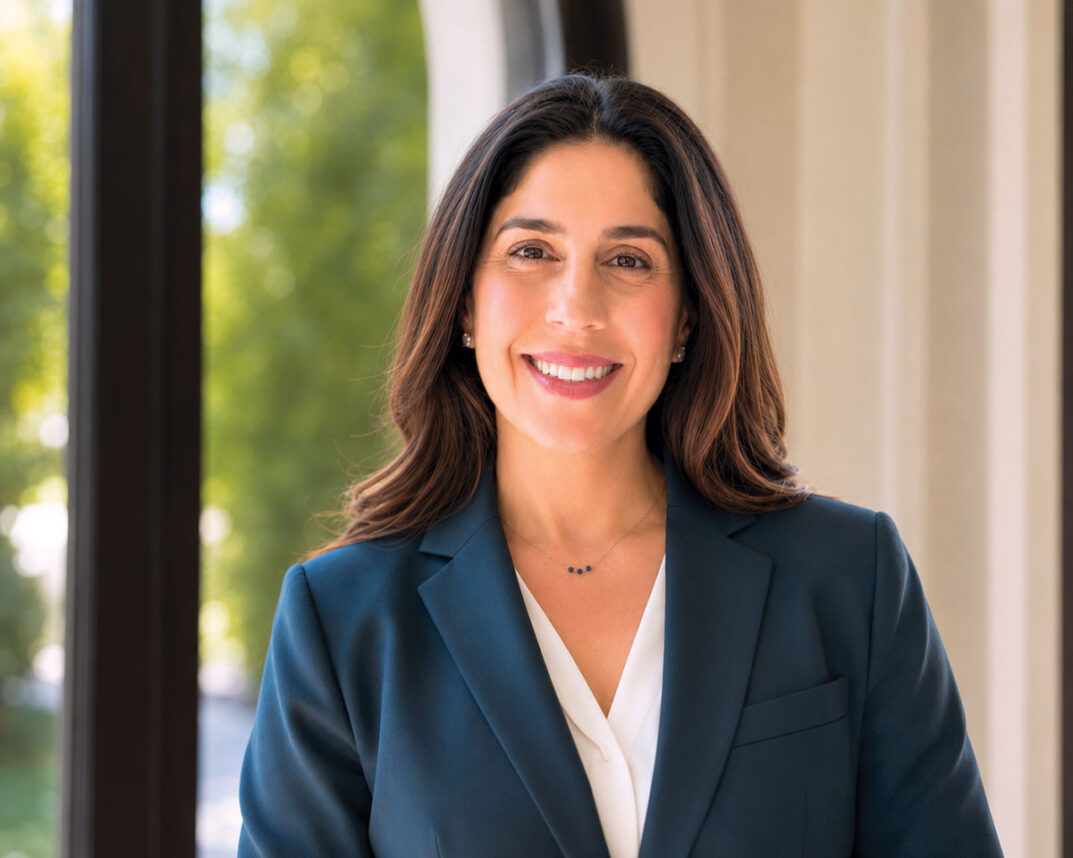
Masha Pearl, executive director of The Blue Card, told the Journal in a phone interview that Holocaust survivors face “greater issues than the general elderly population because they are still suffering the effects of their wartime experience.”
“They’re still suffering from emotional post-traumatic stress disorder and there are many triggers, such as visiting the doctor, that just bring them back to that time,” Pearl said.
Pearl added that depression, malnutrition, higher cancer rates, and serious dental problems are among some of the other problems that Holocaust survivors face. The aforementioned issues are also among the various financial burdens that Holocaust survivors struggle with.
“The additional financial strain of the co-pays, the transportation to and from appointments and special diets are weighing heavily on them,” Pearl said. “Additionally, losing the family networks, or losing a spouse, having to pay off a funeral, and at the same time continue to remain safely at the home is a big priority for that. So all the costs that come along with remaining independent – such as homecare, housing, utilities, having a telephone emergency response system at the home to keep them safe – these really add up quickly.”
Pearl added that Holocaust survivors are afraid “of being institutionalized and being in a nursing home.”
“They prefer to remain safely in each of their home[s] as long as possible,” Pearl said.
According to a press release from The Blue Card, most Holocaust survivors in the United States live below the poverty line, meaning they have to live on less than $23,000 a year.
The Blue Card lists four ways in their press release how people can help Holocaust survivors. For financial aid to Holocaust survivors, people can donate to various organizations like The Blue Card and Jewish Family Service of Los Angeles as well as fundraise for Holocaust survivors through activities like marathons or programs like Amazon Smile.
The Blue Card and local Jewish Community Centers (JCC) are among the organizations that give people the opportunity to spend time with Holocaust survivors and provide them emotional support and help for them to complete their daily tasks. Volunteers can also do activities with Holocaust survivors.
“Companionship and friendship is extremely important to Holocaust survivors and it produces emotional health benefits,” Pearl said, as around three-quarters of Holocaust survivors live alone.
The Blue Card also recommends going to various events that feature Holocaust survivors speaking to ensure that their stories continue to be told even after they’re gone.
“There are so many ways to connect and give back to Holocaust survivors,” Pearl said in the press release. “Whether it’s making a donation, spreading awareness about those in need or listening to someone tell their story – even the smallest gesture can have a big impact on improving lives.”