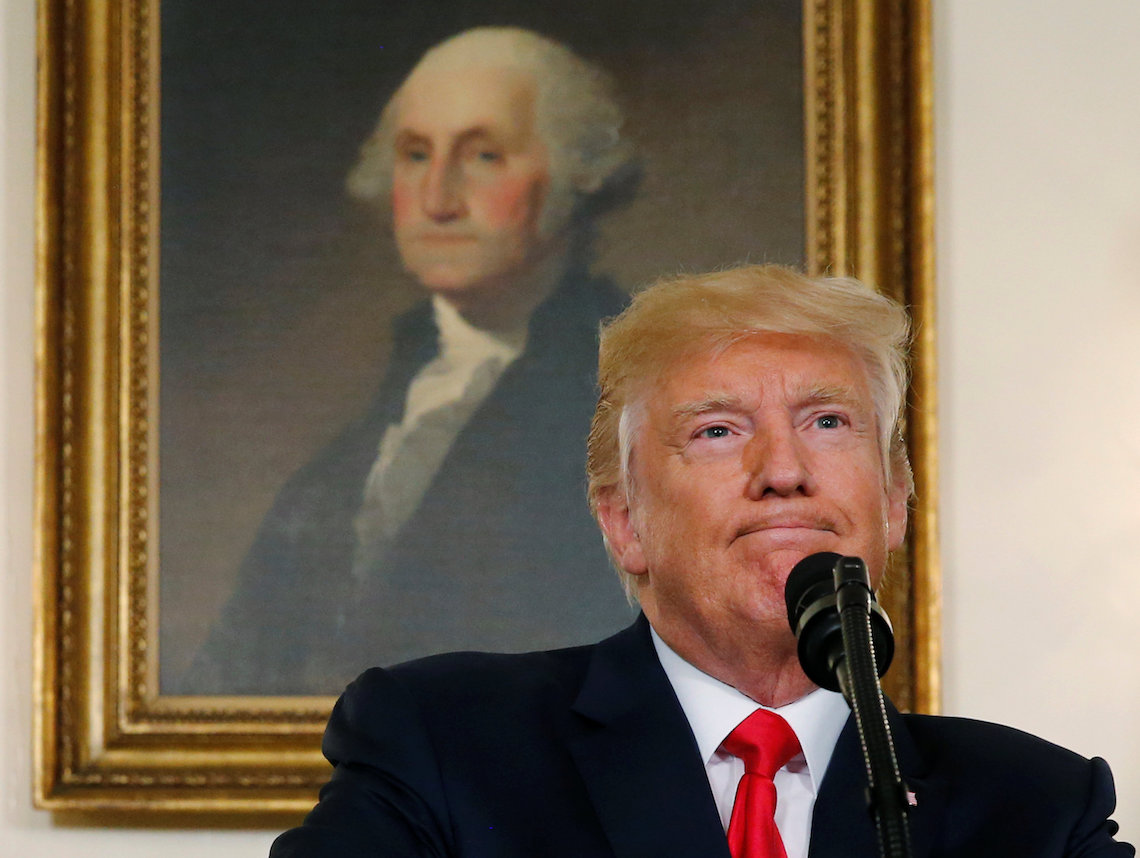
Two days after the death of a 32-year-old woman during a white supremacists’ rally in Charlottesville, Va., and amidst a furor over his delay in condemning the rally in specific terms, President Donald Trump condemned the “racist violence” and declared that “racism is evil.”
“Racism is evil and those who cause violence in its name are criminals and thugs, including the KKK, neo-Nazis and white supremacists, and other hate groups who are repugnant to everything we hold dear as Americans,” Trump said Monday in a statement he delivered at the White House.
“We condemn in the strongest possible terms this egregious display of hatred and violence. It has no place in America,” Trump said. He also said the Department of Justice had opened up a civil rights investigation into the attack, and honored by name Heather Heyer, who was killed Saturday after a car driven by a 20-year-old who has espoused neo-Nazi views plowed into counterprotesters.
Trump had been under pressure since Saturday to forcefully condemn the white supremacists who descended on Charlottesville to protest the planned removal of a statue of Confederate Gen. Robert E. Lee. His initial statement, condemning “hatred, bigotry and violence, on many sides, on many sides” angered Democrats and Republicans alike for seeming to draw a moral equivalence between the white supremacists and the counterprotesters. In a subsequent tweet he had expressed condolences to “the family of the young woman killed today” but did not name Heyer.
Jewish leaders also noted the widespread expressions of anti-Semitism of the rally, which included demonstrators carrying signs reading “Jews are Satan’s children,” Nazi flags and chants of “Jews will not replace us.”
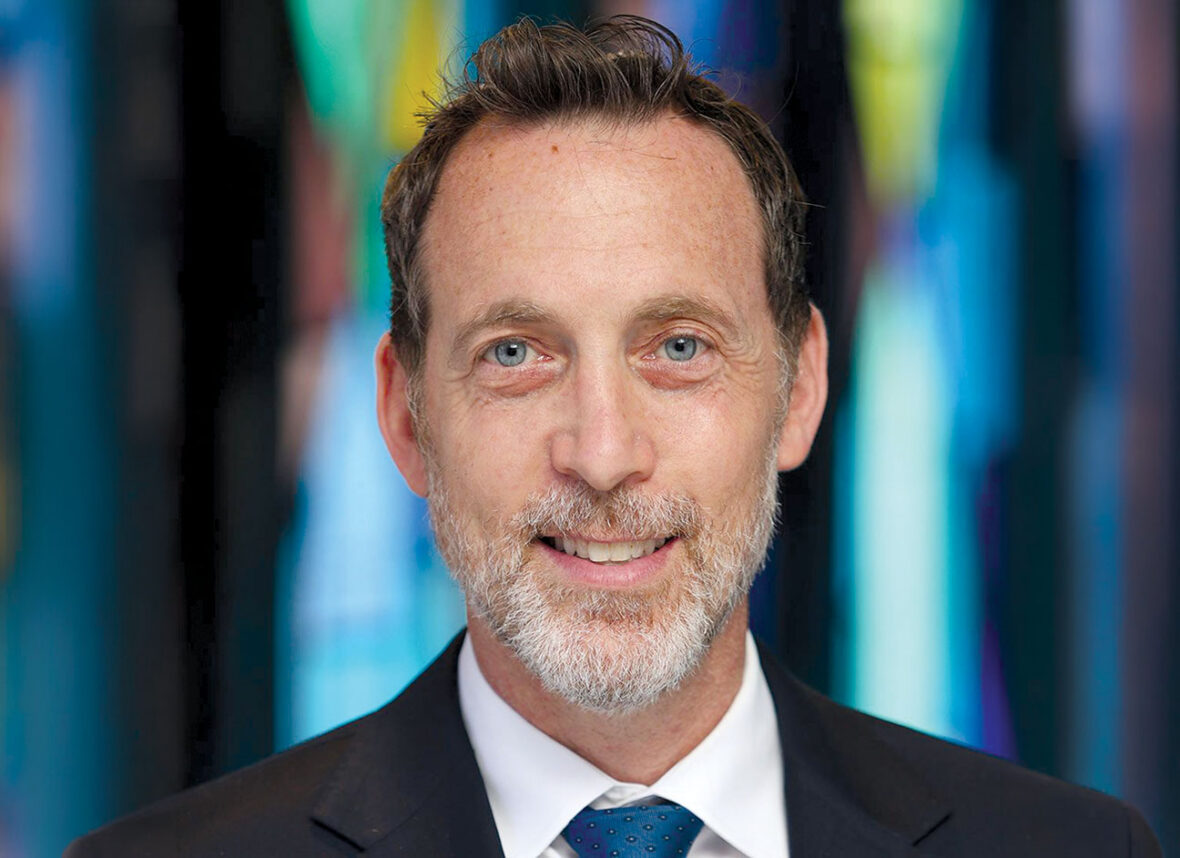
In a statement Saturday, Jonathan Greenblatt, CEO of the Anti-Defamation League, said: “This is a moment that demands moral leadership. President Trump should acknowledge that this is not a matter of equivalence between two sides with similar gripes. There is no rationalizing white supremacy and no room for this vile bigotry. It is un-American and it needs to be condemned without hesitation.”
On Sunday the White House put out a statement, attributed to an unnamed spokesperson, saying, “The president said very strongly in his statement yesterday that he condemns all forms of violence, bigotry and hatred. Of course that includes white supremacists, K.K.K., neo-Nazi and all extremist groups. He called for national unity and bringing all Americans together.”
That statement still failed to satisfy many critics who noted that some white supremacist groups who were encouraged that Trump had not himself singled them out. On Monday, David Harris, CEO of the American Jewish Committee, called on Trump to “make clear that our nation does not countenance the warped views of bigots, as was on display in Charlottesville.” He also urged the president “to send a strong message to these extremist groups that their endorsement is not welcome.”