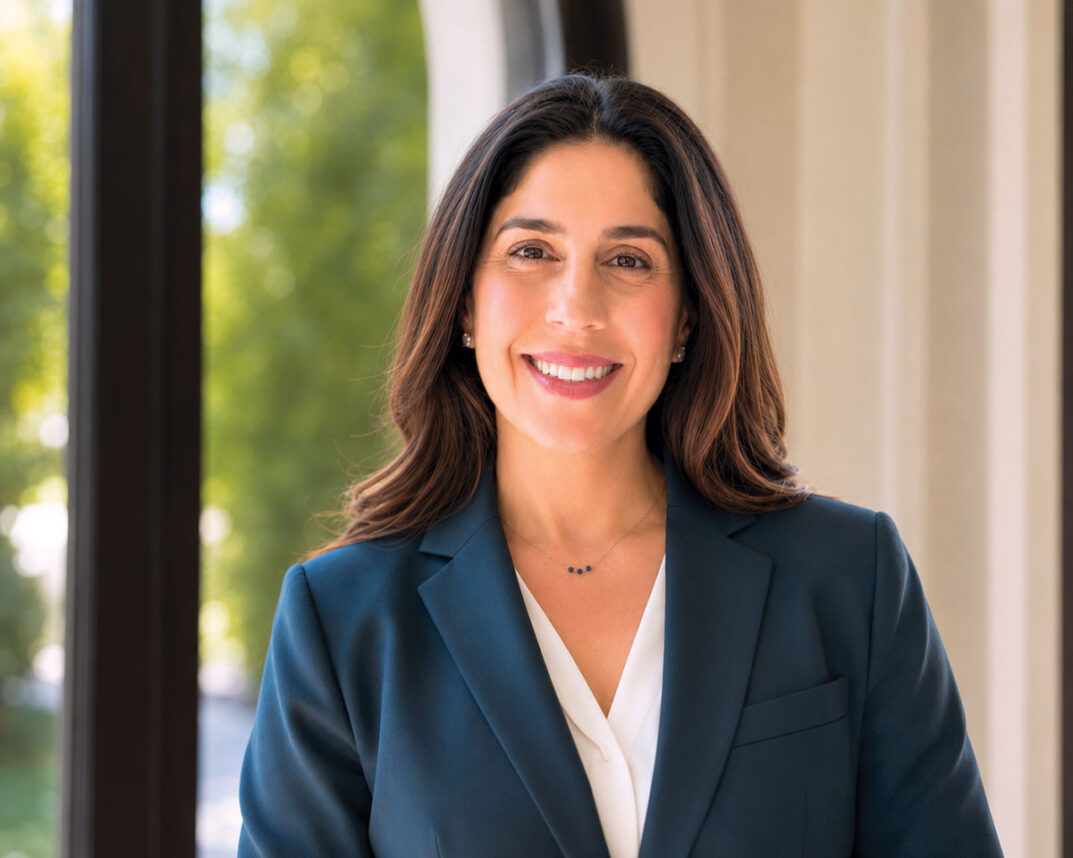
Erika Taylor didn't want to know whether she had the breast cancer gene.
“My thinking was I would never get a prophylactic mastectomy,” Taylor, 44, said of the idea of removing her breasts as a preventive measure. “I just thought it was horrible thing to do to myself, and if I was unwilling to do that, why bother finding out?”
[RELATED: Women support each other in navigating genetic risk]
Her grandmother died of breast cancer at 56, and her mother battled and beat the disease in her 30s. Taylor, who is single and the mother of a 14-year-old boy, always suspected cancer was in her future, but taking steps to confirm that was not something she wanted to do. Until she got her own diagnosis.
A routine mammogram last November revealed early stage noninvasive cancer cells in Taylor's milk ducts, making information about her genetic status vital for determining her treatment.
“All of a sudden, the idea of 'I would never do such a thing' goes out the window,” she said. “It's astonishing how quickly you go, 'OK, OK, what do I need to do? I'll do it.'” Taylor's mother tested first, and when she was identified as a carrier of the BRCA 2 genetic mutation common in Ashkenazi Jews, Taylor tested next. In January, she found out she, too, carries the gene that makes it likely that even if she were to rid herself of her diagnosed cancer, it would probably recur.
Like a growing number of women, Taylor faced both the gift and the terror of knowledge.
One in 40 Ashkenazi Jews — compared to one in 500 in the general population — carries a mutation that gives women a 50 percent to 85 percent chance of getting breast cancer by the time they are 80. The genetic mutation, discovered in 1994, also increases the likelihood of melanoma and ovarian, prostate or pancreatic cancer. While within the general population about 5 percent of cancers can be attributed to a hereditary syndrome, in the Jewish community, that number is closer to 30 percent.