In his brilliant history of early modern England, “The Ends of Life,” historian Keith Thomas quotes a translator named George Petrie who wrote in 1581, “The only way to win immortality is either to do things worth the writing, or write things worth the reading.” Christopher Hitchens is, by this reckoning, twice immortal.
On the page his words leapt to life. Can you imagine a more subtle, devastating takedown than his famous comments on Jerry Falwell? “If someone gave him an enema you could bury him in a matchbox.” The infuriating thing about debating Hitchens was that such ripostes were not the fruit of long, diligent thought. He thought in epigrams, and even in conversation there were quotable lines expressed in his deep British voice, his “instrument,” as he called it, given heft and tone by years of oratory, scotch and cigarettes.
The difficulty in debating Hitchens was not only the readiness of his wit and the range of his reference. Alongside his learning was an unusually rich experience of life. He was filled in equal measure with adventure and erudition. He had traveled to most of the dangerous (as well as glamorous) spots in the world and could give you pointers not only on the government, but the best bars in every city from Paris to Port au Prince. After a dinner of drinking others under the table, he could rise, knock off a 2,000 word essay on the fiction of James Joyce, and then retire for what remained of the evening. His was a prodigious, unflagging energy sprung from deep gifts.
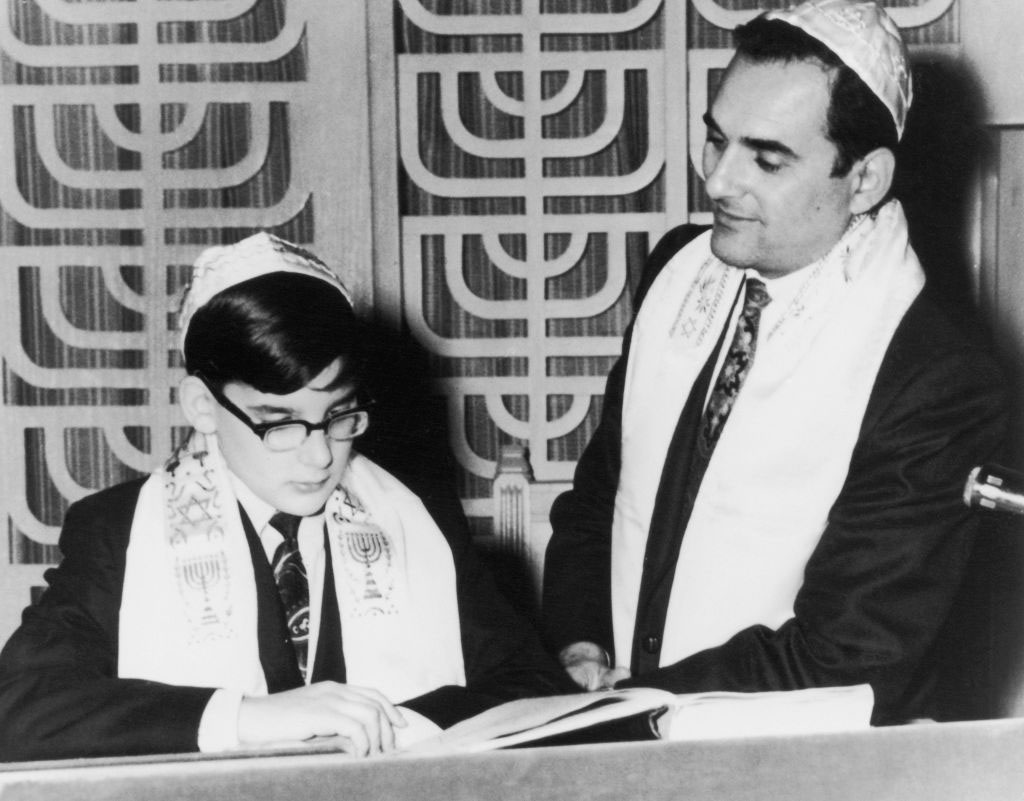
We had vigorous disagreements, to say the least. Not only in our debates, where we wrestled over the reality of God, the worth of religion and the possibility of an afterlife. I also recall pressing him on his long-standing opposition to Israel. As he got older and became a staunch opponent of militant Islam, his stance toward Israel softened, but Hitchens was not a man for backtracking. Even his late discovery of his own Jewishness (which “delighted” him) did not change his hostility to the one place on earth that otherwise – as I tried to point out to him without effect—embodied the values he held most dear.
But I have wonderful snapshots of his charm and kindness: urging me to drink beer before our debate (“it’s only water…”), warning me before we stepped on stage that he would never compliment me in public, instructing me in a long car ride on the fine points of different scotches, the skill of P.G. Wodehouse, and a steady stream of stories about the famous and infamous. The flow of Hitchens talk was unstinting, and he did not “save” his best stories, since the reservoir had no bottom.
Hitchens won my daughter’s heart with his first introduction to her when she attended the debate in Los Angeles moderated by The Jewish Journal’s editor-in-chief, Rob Eshman. He bent down to greet her (she was then 11), stuck out his hand and said “Hitchens here.” She felt instantly that he was unique. Of course, I, as her father, listening to him proclaim during the debate that the only prayer he ever offered was for an erection, hoped that the introduction – and not the priapic theology—would be her lasting impression.
I have one keen regret. Hitchens and I had planned to visit Concord together after our Boston debate, and it would have been a feast to see the graves of the Transcendentalists, of Emerson, Thoreau, Alcott and the others, with a lover of literature who was at the same time unalterably opposed to the reality of the unseen. He had never visited and was eager to go. But his daughter’s graduation coincided with the only day I could visit, and so I went alone and sent him pictures.
The world was more colorful and better critiqued when we had Hitchens scathing wit to scour our less-careful pronouncements. (I recall watching him once on TV, when a defender of Hillary Clinton said, after a Hitchens assault, “Well that’s your opinion.” Hitchens instantly replied, “Well of course it is. It would be fatuous to invite me on to spout YOUR opinion.” Ouch.) He will be missed.
Rabbi David Wolpe is rabbi of Sinai Temple. You can follow his teachings on facebook.com/RabbiWolpe.