










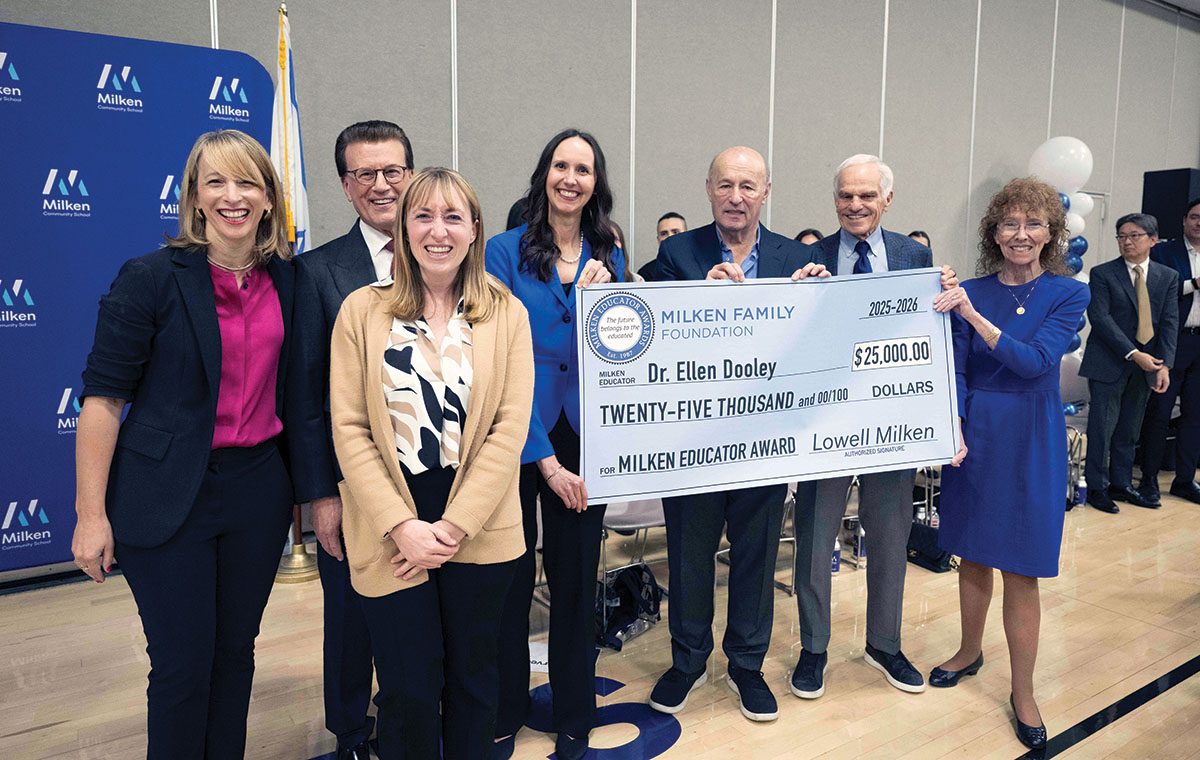
Notable people and events in the Jewish LA community.

There is a second form of sacred survival: to survive as a nation. And that too takes precedence over everything.

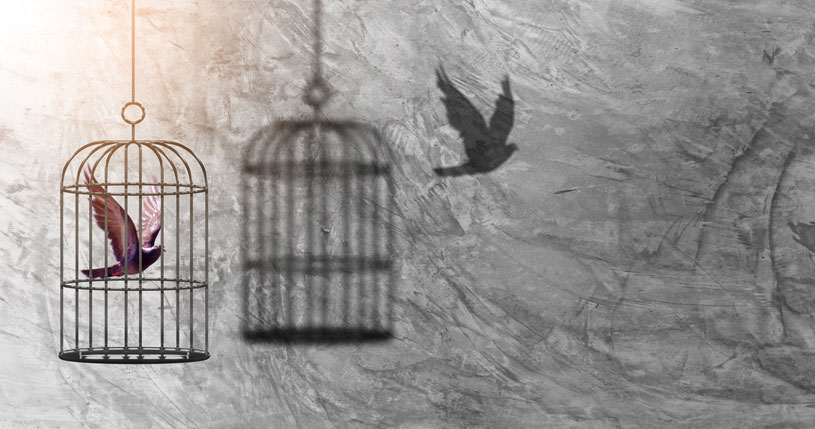
Spiritual enslavement is not confined to the Egypt in the Torah.

When all of the people are counted – All of them, not just the ones who look like us.


Ambition over principle. Political gain over integrity. That is his legacy — a legacy stained in shame.
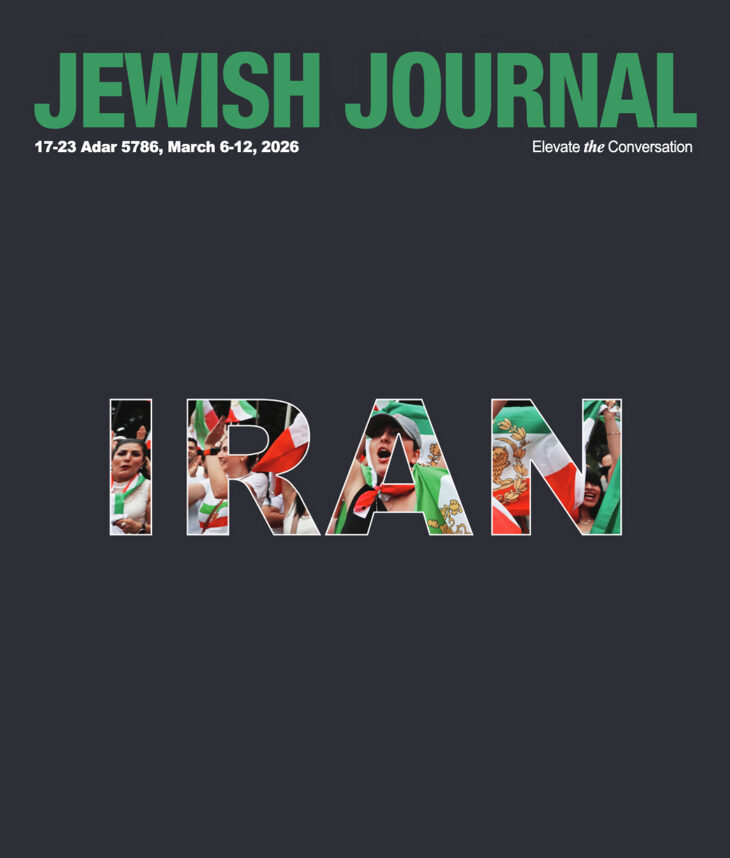
Success in the war against Iran – which every American and Israeli should hope for – will only strengthen the tendency of both leaders to highlight their dominant personalities as the state axis, at the expense of the boring institutions that serve them.

Tangy, bright and filled with irresistible umami flavor, turshi is the perfect complement to burgers, kebabs and chicken, as well as the perfect foil for eggs and salads.
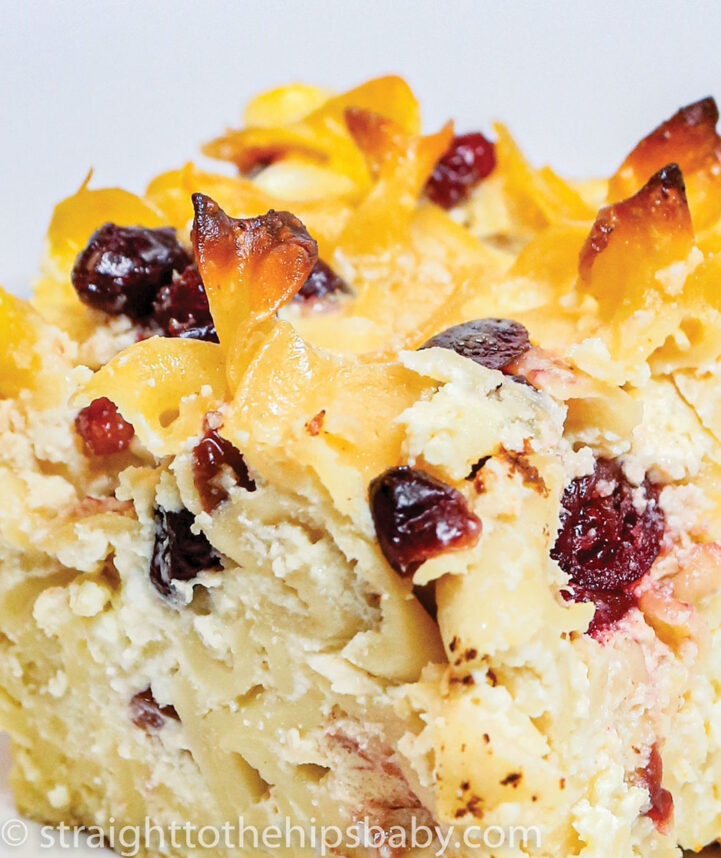
Nothing says Jewish comfort food like sweet noodle kugel.
Understanding The Divine
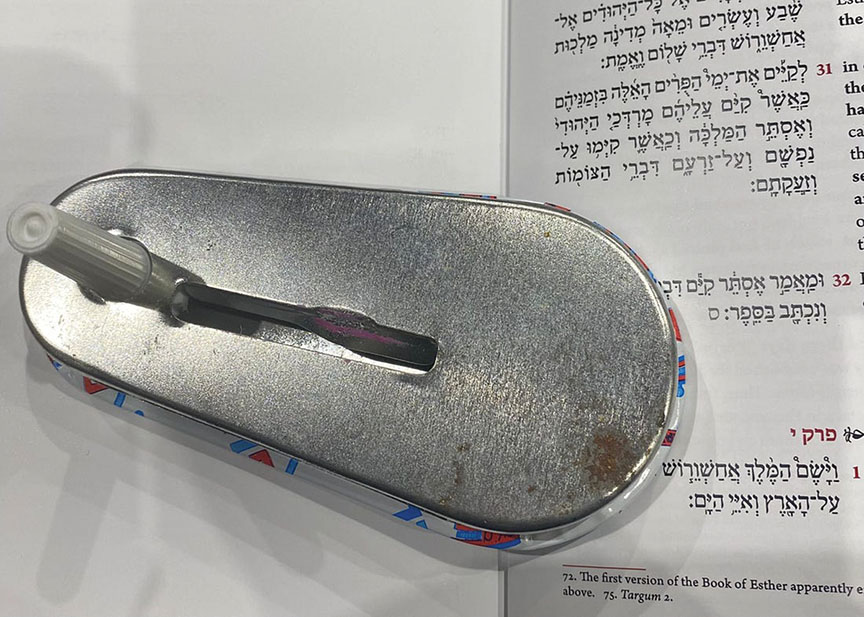
On Purim, re-reading Persia, we stand at the intersection of the past and this very moment. May we merit not merely a temporary cessation of war, but true peace — the ultimate end of all conflict.
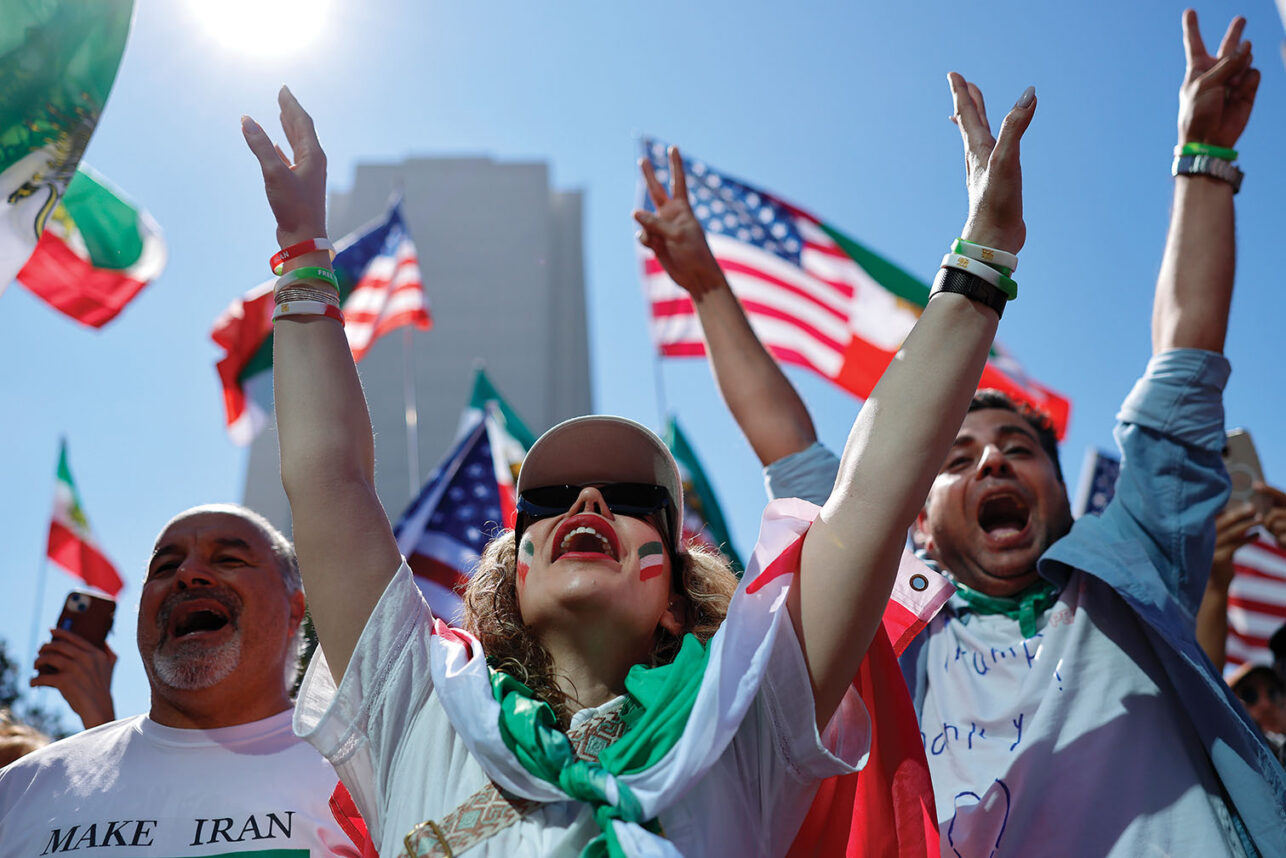
As Israel is learning in Gaza, achieving regime change from the outside, without a commitment to deep and continuous involvement, is a difficult task.

When future generations tell your story and mine, which parts will look obvious in hindsight? What opportunities will we have leveraged — and decisions made — that define our legacy?

The nostalgia attached to the ’80s and ’90s often comes from a world where public hanging-out was built into daily life.
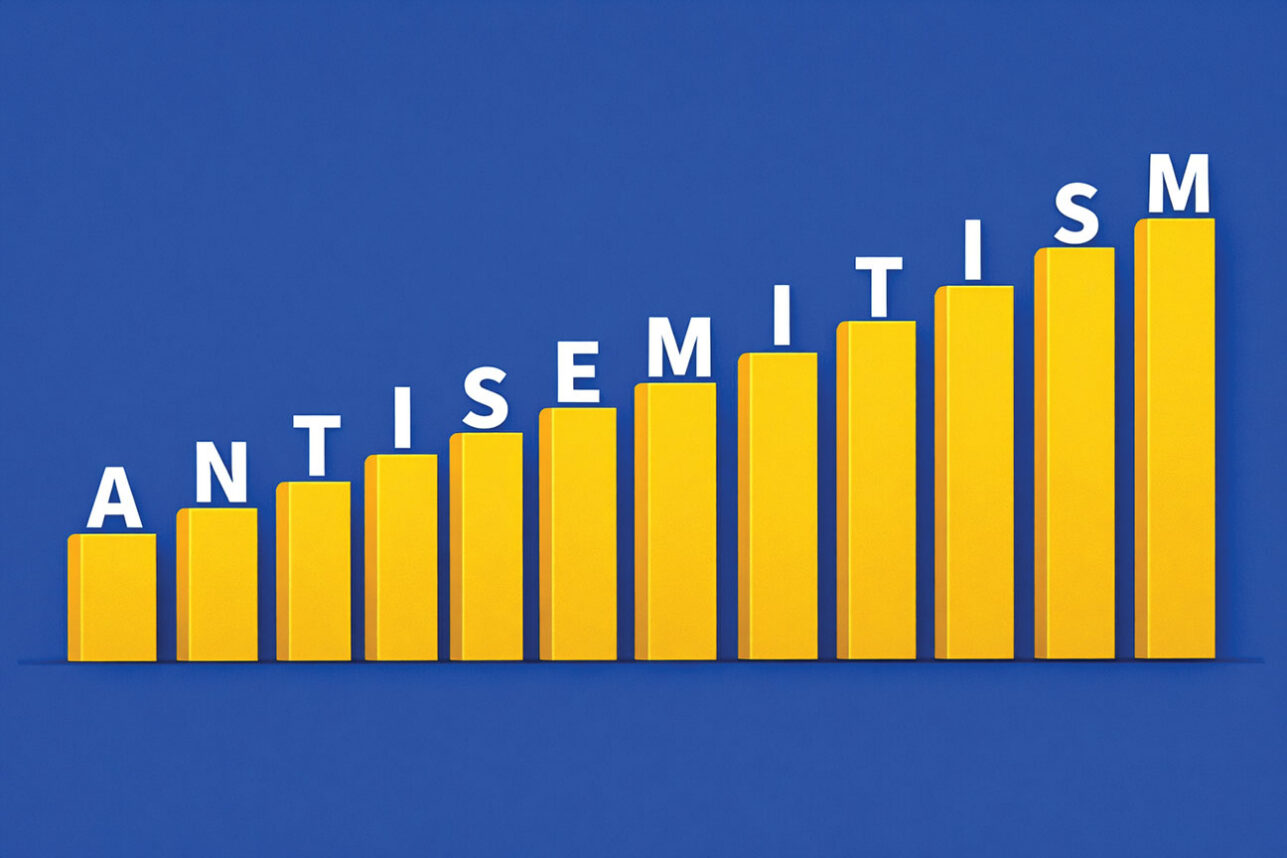
For over half a decade, I had seen how the slow drip of antisemitism, carefully enveloped in the language of social justice and human rights, had steadily poisoned people whom I had previously considered perfectly reasonable.
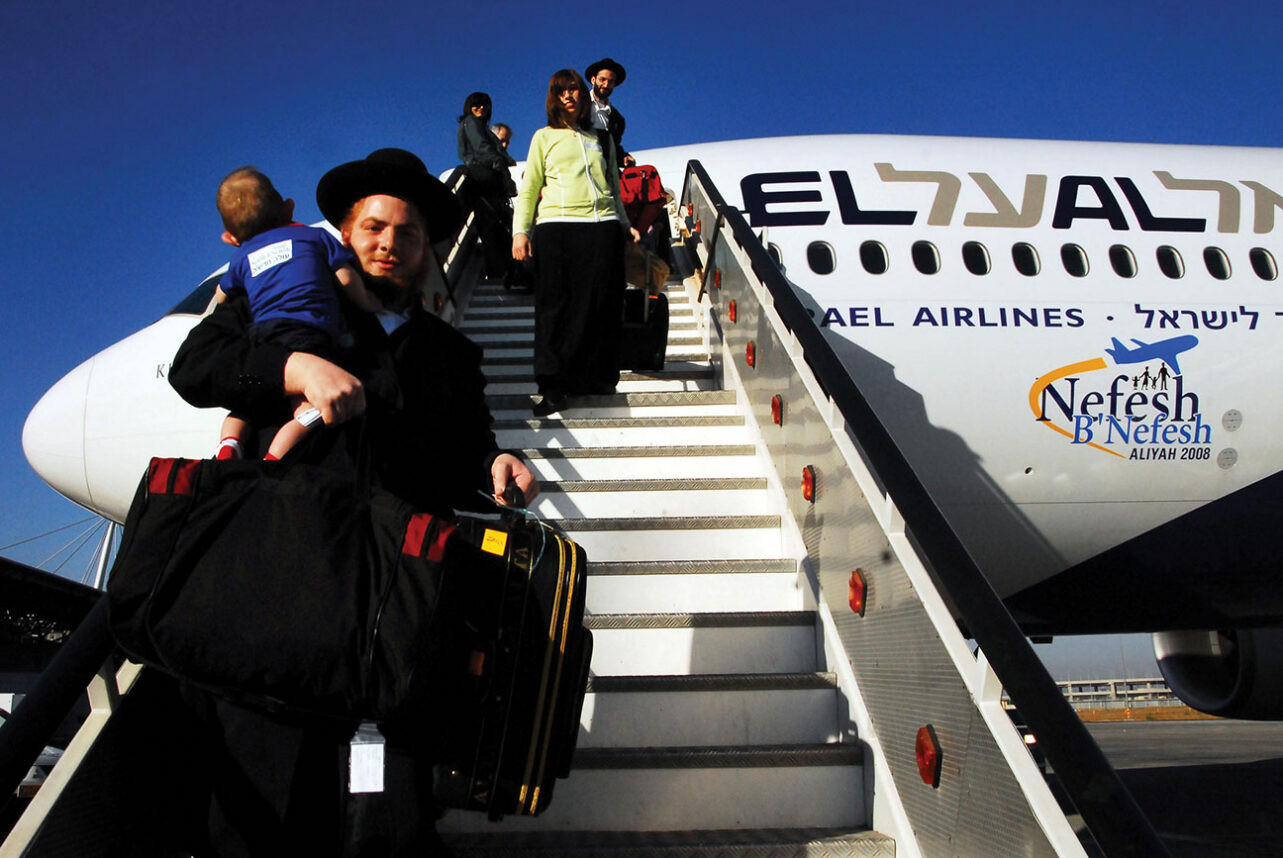
Today, amid rising global antisemitism and uncertainty in the Diaspora, many Anglos considering aliyah are searching not only for housing but for belonging.
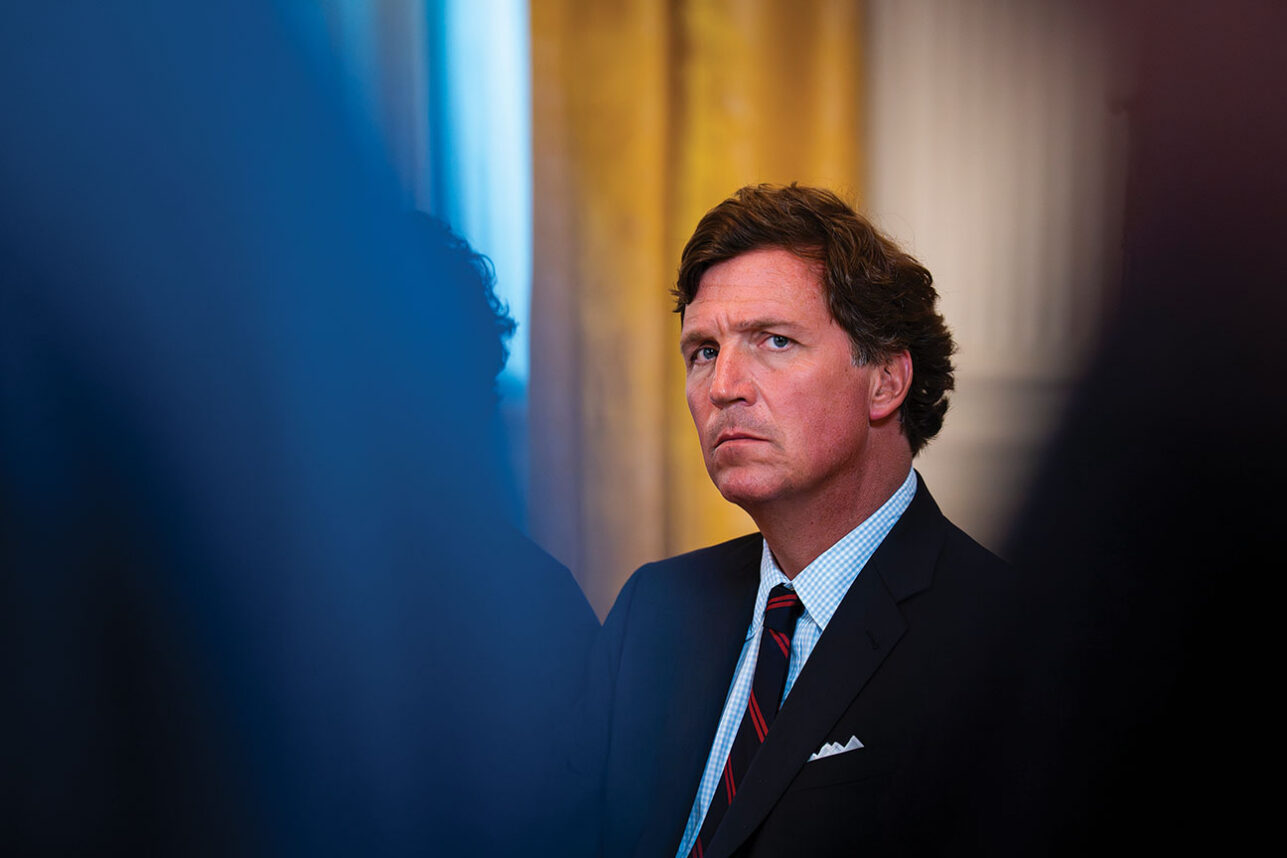
Their assumptions about the attack on Iran are based on a belief in the resilience of an evil terrorist regime, coupled with a conviction that Trump’s belief in the importance of the U.S.-Israel alliance is inherently wrong.