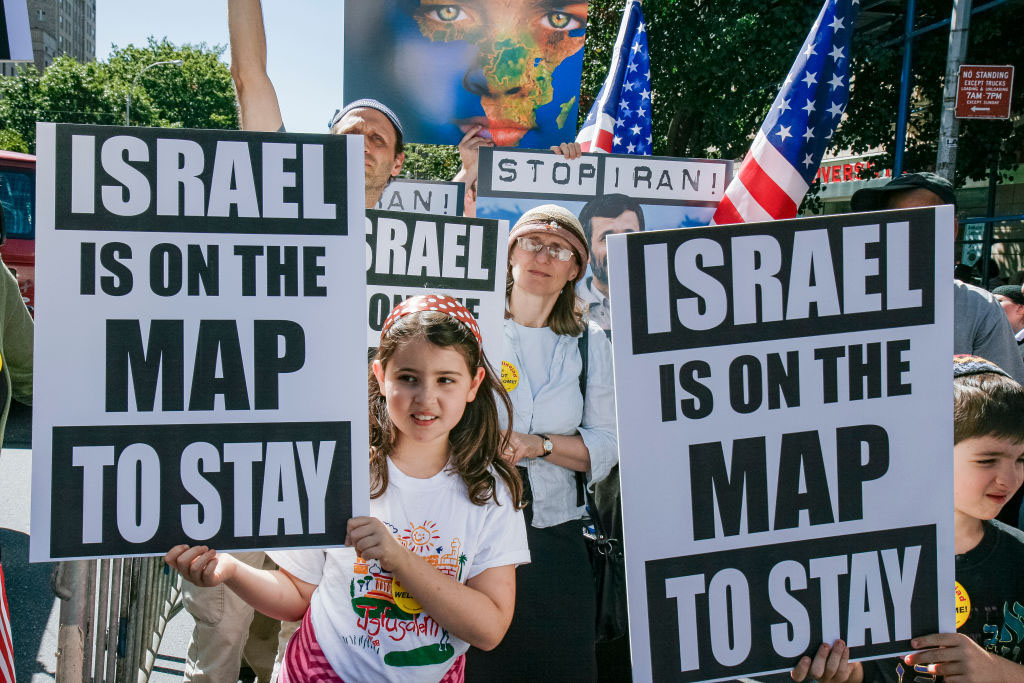
In most instances, families relocate due to a measure of dissatisfaction with where they live currently and a degree of hope for where they might arrive. The Torah portion of Lech-Lecha presents the beginning of the epic Israel-bound family journey of the Jewish people. It is distinct in various respects from all other family relocations recorded in the Book of Genesis or elsewhere in the Torah. A journey that continues still today, it retains central purposes that date back to Abraham’s formative travels even as its unfolding, historic itinerary inspires travelogue entries and reflective commentary with each passing day of the Jewish present.
A comparison of all other family relocations in the Book of Genesis to Abraham’s formative journey to Israel reveals its uniqueness. The departure of Adam and Eve from Eden was at least as much about leaving Eden as arriving elsewhere. The builders of the Tower of Babel were scattered from the Babylonian region of Shinar rather than being sent anywhere else in particular. Noah fled the flood. Abraham’s, Jacob’s, Joseph’s and Jacob’s other sons’ journeys beyond what would come to be known as the land of Israel were initiated due to mortal dangers they faced living in Canaan.
However, Abraham’s journey to Canaan is not presented in the Torah as an escape from anywhere, for any reason. Its purpose is identified solely with the merits and blessings associated with its commanded destination.
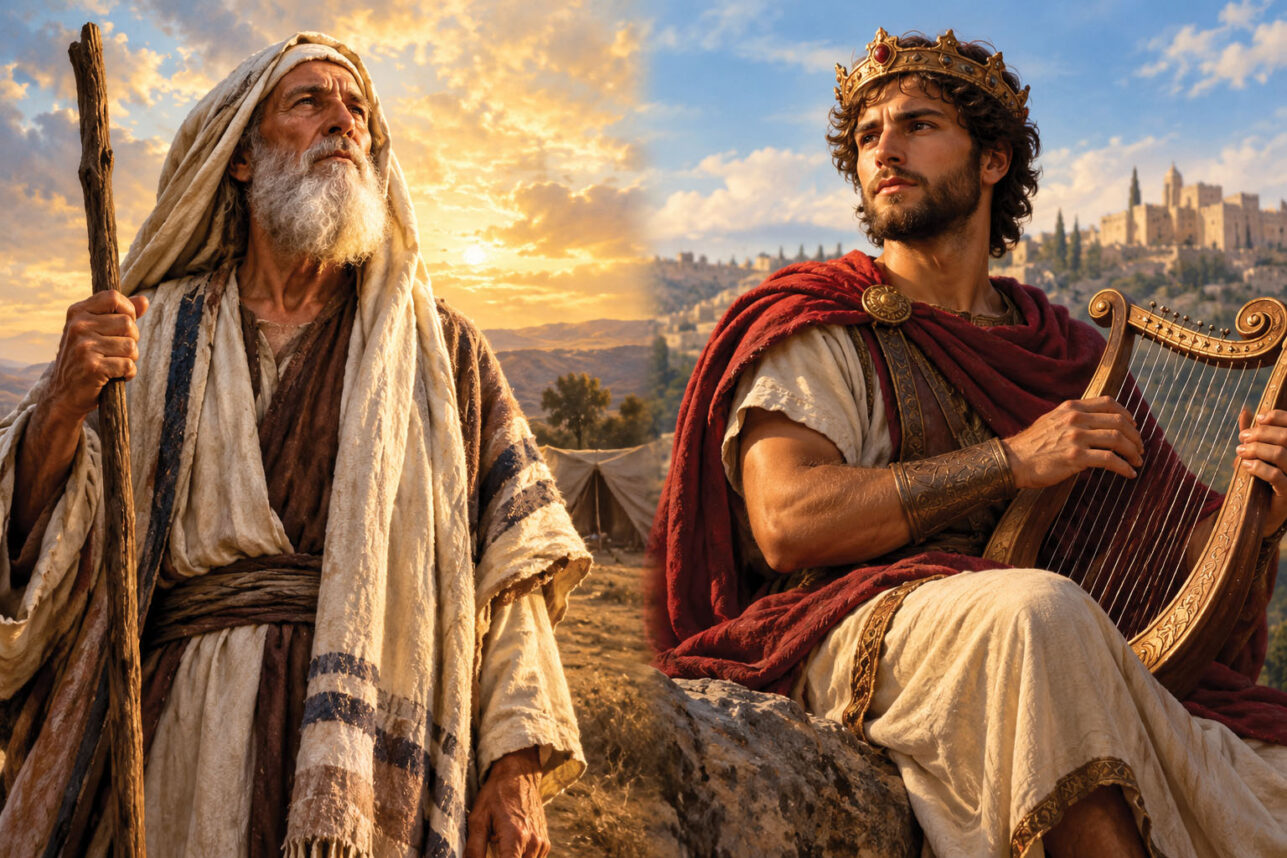
To ensure that Abraham, his descendants and all who would later read this story understood the unique purpose of Abraham’s relocation-journey and its enduring implications, God pronounced to Abraham that his descendants’ destiny would be bound inextricably and forever to the special land to which God would guide him and that great blessing would accompany this bond. To ensure that the precise territory constituting the Israel that would exist was just as unambiguous, God articulated the territory’s borders and had Abraham walk the entire land.
Ever since, the Jewish people have been bound to the land of Israel as heirs to God’s promises and blessings to Abraham, Isaac and Jacob and their families. Jews have lived in Israel, with a continuous presence, for at least 2,500 years, possibly dating back as far as the time of Joshua. And, the Israel in which Jews have resided throughout most of this period — the same Israel promised biblically to our forbears — includes Jerusalem, Hebron, Bethlehem, Jericho, Nablus and Ramallah, areas assumed by many to constitute the heart of a future Palestinian state.
Any honest broker of peace between the State of Israel and her Arab neighbors must acknowledge publicly a fundamental historical truth and require Arab and Muslim leaders to do the same, for most Israelis to feel that their claim to Israel is affirmed and that their security is an overriding concern. This fact and its implications derive from Abraham’s formative journey and were ignored by President Obama in his Cairo speech and since then.
The land of Israel promised biblically to the Jews and inhabited by Jews more so than anyone else since then includes Jerusalem, Judea and Samaria as much as Tel Aviv, Haifa and Eilat. Consequently, the Holocaust and violence prior to it may have been why many Jews fled Europe, and it might have been why most nations voted in 1947 to allow for a Jewish state, but it constitutes neither the reason nor the purpose underlying the historic Jewish return to Israel. Jews didn’t happen upon Israel in 1948, settling for a location that seemed easy and safe. Rather, those who returned home to Israel, before or after the Holocaust, did so despite the significant challenges they knew awaited them.
Public recognition of the historic and continual Jewish claim to the entire land of Israel by President Obama and, following his lead, by Arab and Muslim leaders genuinely seeking peace with Israel is a prerequisite, both theoretically and practically, to any final agreement in which Arab and Muslim leaders would accept a permanent and Jewish State of Israel, regardless of its final borders. It would acknowledge that what constitutes “occupied territories” for Israel’s enemies are “disputed territories” to most Israelis. In truth, given that Israel “occupied” Judea and Samaria in a defensive 1967 war aimed at destroying the Jewish state, referring to them as “disputed” rather than simply annexing them should seem generous on Israel’s part.
Arab and Muslim leaders could join with Israel’s leaders in a mutual recognition of historical claims rather than denying Israel’s right to exist. Israel would be invited to give away land that is rightfully its own rather than returning it, as though anyone lay greater claim to it, in exchange for an enduring peace.
An honest accounting of history may be the key to determining whether there exist today authentic voices of compromise among Arab and Muslim leaders and whether Israel should see fit to forgo its historic and legitimate claim to any portion of its land, at this juncture, in pursuit of peace. President Obama can turn this key.
Rabbi Isaac Jeret is the spiritual leader of Congregation Ner Tamid of South Bay (nertamid.com), an inclusive Conservative synagogue in Palos Verdes.