Even in the best of parent-child relationships, there are moments children do not feel love. We can, however, even in those trying times, act honorably toward our parents. It is precisely during periods of tension that children should remember that most parents want their children to love them and that, in most cases, our parents’ love for us is deep and long-standing.
In this week’s Torah portion we are reminded of the commandment to "Honor your father and your mother, as the Lord your God has commanded you…." (Deuteronomy 5:16). Observance of this commandment is so significant, that the Talmud teaches when we show honor to our parents we honor God.
It is noteworthy that the Torah does not command us to love our parents. Love is an emotion and Judaism rarely mandates human emotion. Our tradition’s primary concern is with how we act; for how we act will ultimately shape the way we feel.
Two experiences significantly shaped not only the way I conduct my relationship with my parents, but the way I urge others to interact with theirs.
I read of a lone man who stood by the graveside of his wife for considerable time after all the other mourners had left. The rabbi approached the man and gently suggested that it was time to go. The man responded, "You don’t understand, I loved my wife."
The rabbi waited and then approached the husband once again. "You don’t understand rabbi, I loved my wife."
"I have no doubt that you loved her very much, but it is getting late and it is time we should go," the rabbi said. He waited a while longer and approached the grieving husband a third time.
"You don’t understand rabbi, I loved my wife … and I hardly ever told her."
The other influence was a striking letter I read as a college student which appeared in the editorial section of our university paper. It was from a young woman whose father had passed away unexpectedly. What made the situation particularly heart-wrenching was that their final conversation had concluded with a terrible argument. The woman predicted that she would be haunted by these last fighting words and implored us never to conclude our conversations in such a way.
As we watch our parents age, how many of us wish we had spent more time with them, had asked them more about their lives before we were born, and talked frankly with them about their hopes and disappointments. If you have yet to ask these questions, ask them, now.
If you have love for your parents and have not expressed it, or not expressed it often enough, take a moment to do so, now.
What if your mother and/or father are no longer alive?
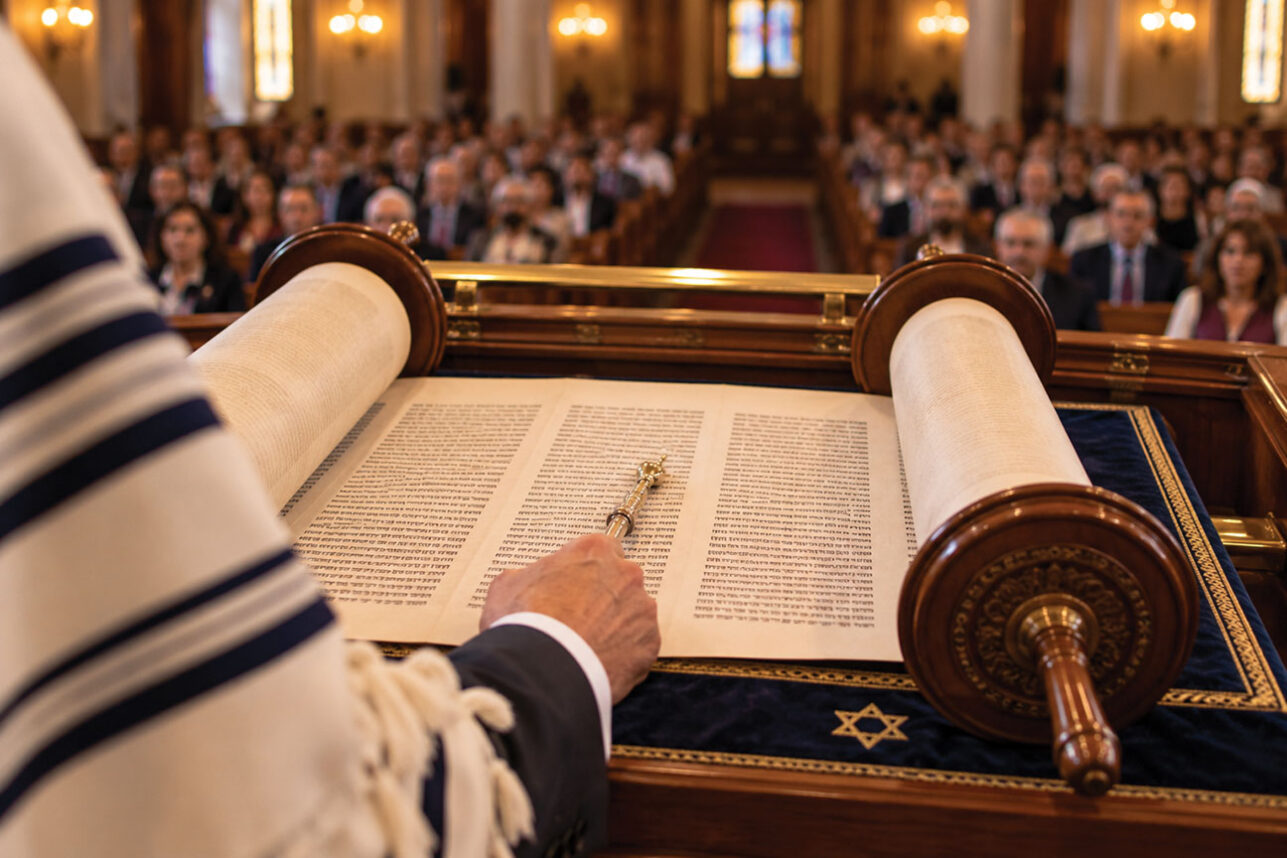
One of Judaism’s greatest gifts is a service called Yizkor. Yizkor is the service when we remember those who are no longer with us. While many Jews associate Yizkor exclusively with Yom Kippur, it is traditionally recited four times each year.
At the 92nd Street Y in New York City, where I lead High Holy Day services, during the Yizkor service I suggest to the congregation that they close their eyes, imagine they see their father or mother in the living room of the home in which they were raised and reach out to take the hand of their parent. I quietly ask them to look into their parent’s eyes and say, "Thank you for all that you did for me, for all your care, for shaping my life…."
You might also want to say: "I am sorry for the times that I hurt you" and "I miss you, deeply."
Or, in the hope of moving forward in your own life and letting go of hurt and anger: "I forgive you. I forgive you for the times you were not a better mother or father."
Tell them: "I love you and I wish I had said so more often when you were here."
Whether in the context of a Yizkor service or, if you prefer, one evening when you are alone at home, take a few minutes to say the words to your departed parents that you never said, the words you always wanted to say.
May those of you who have unsettled issues with your mother or father find the strength to reach out to them and to speak to them. Whether they are standing in front of you, hearing your voice across a telephone line or patiently looking at you from the heavens above, they are listening.