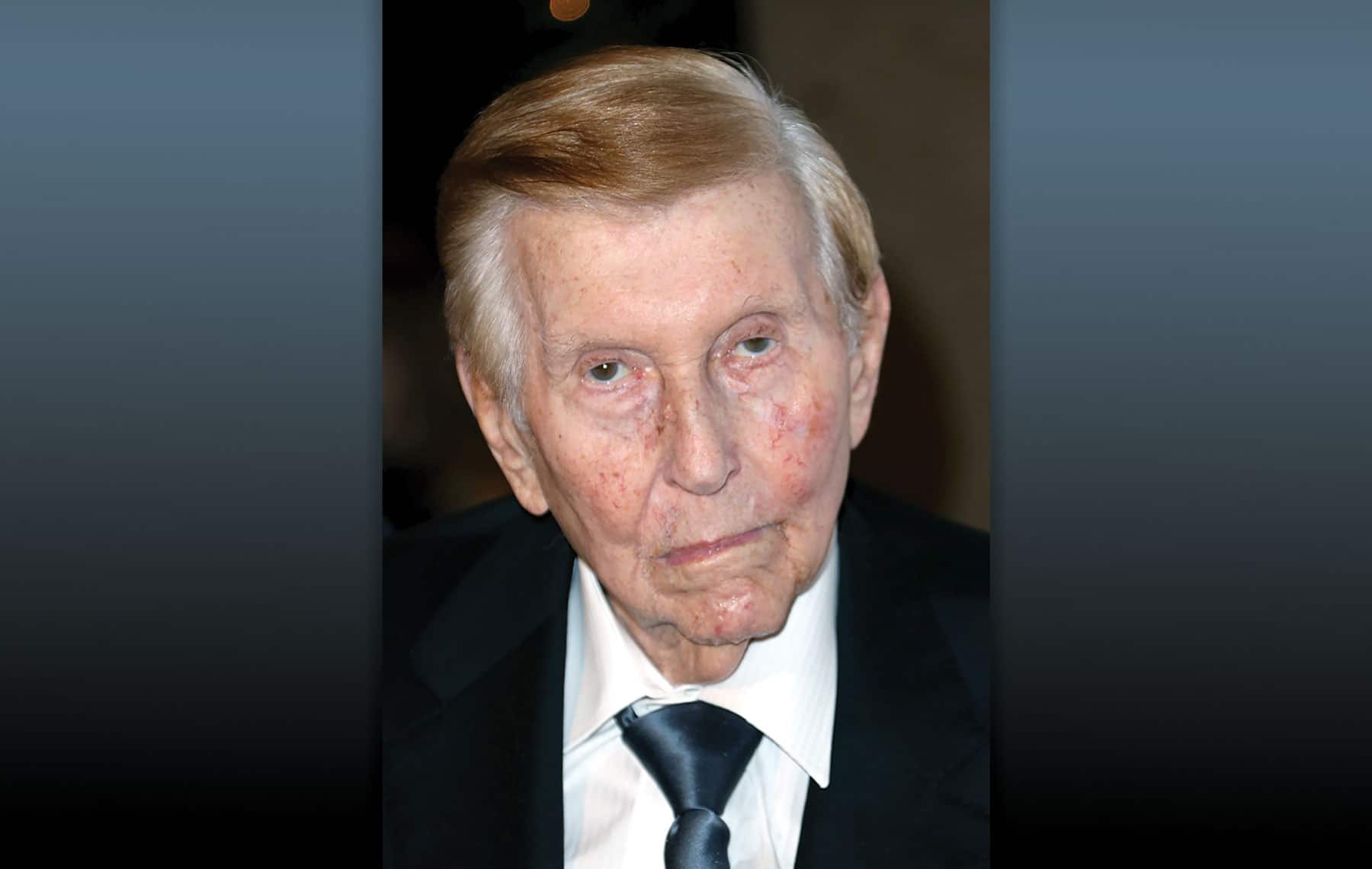
Photo by Frederick M. Brown/Getty Images
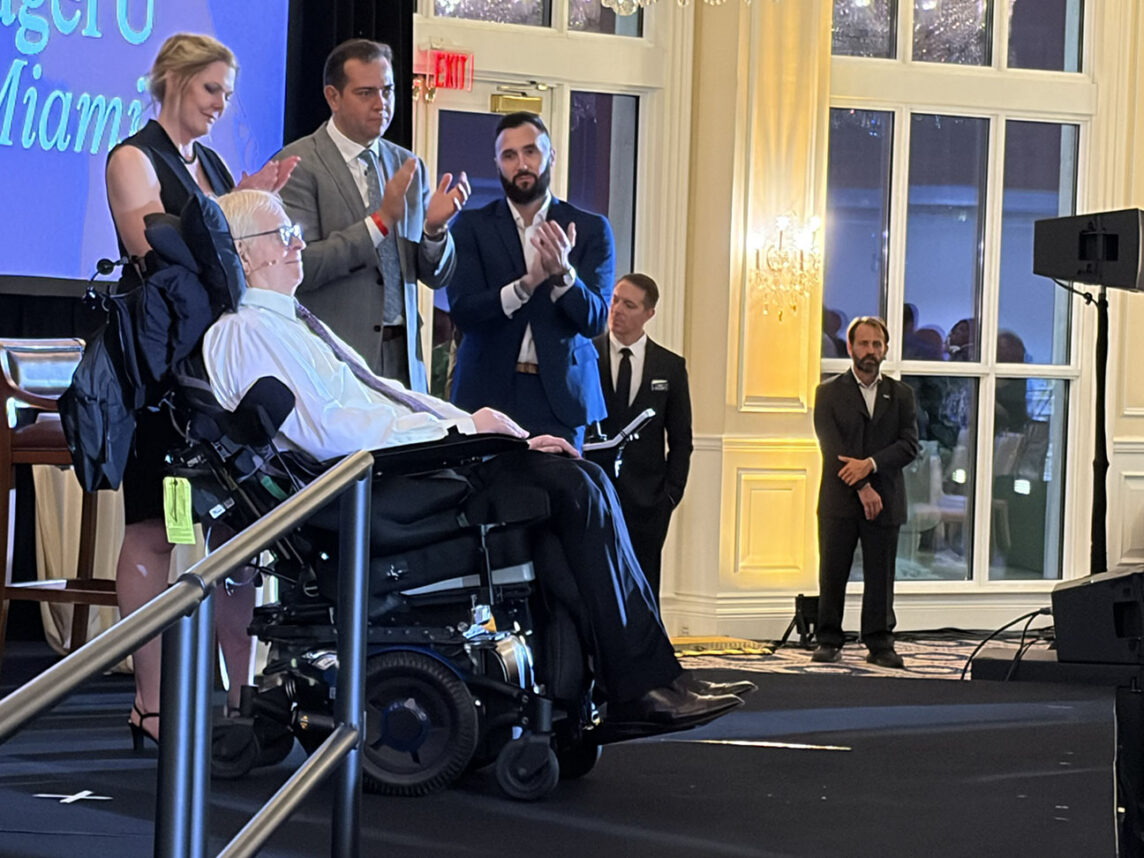
Sumner Redstone, whose relentless drive saw him become the head of a media empire valued at $80 billion at its peak, died Aug. 11 at his mansion in the Beverly Park neighborhood. He was 97. No cause of death was given, but a spokesperson said it was not related to COVID-19.
Starting with a chain of modest drive-in movie theaters, Redstone negotiated, sued and otherwise fought to amass holdings that over time included CBS, the Paramount film and television studios, the publisher Simon & Schuster, the video rental giant Blockbuster and a host of cable channels, including MTV, Comedy Central and Nickelodeon, The New York Times reported. He was widely known and feared as a relentless negotiator, who frequently resorted to lawsuits.
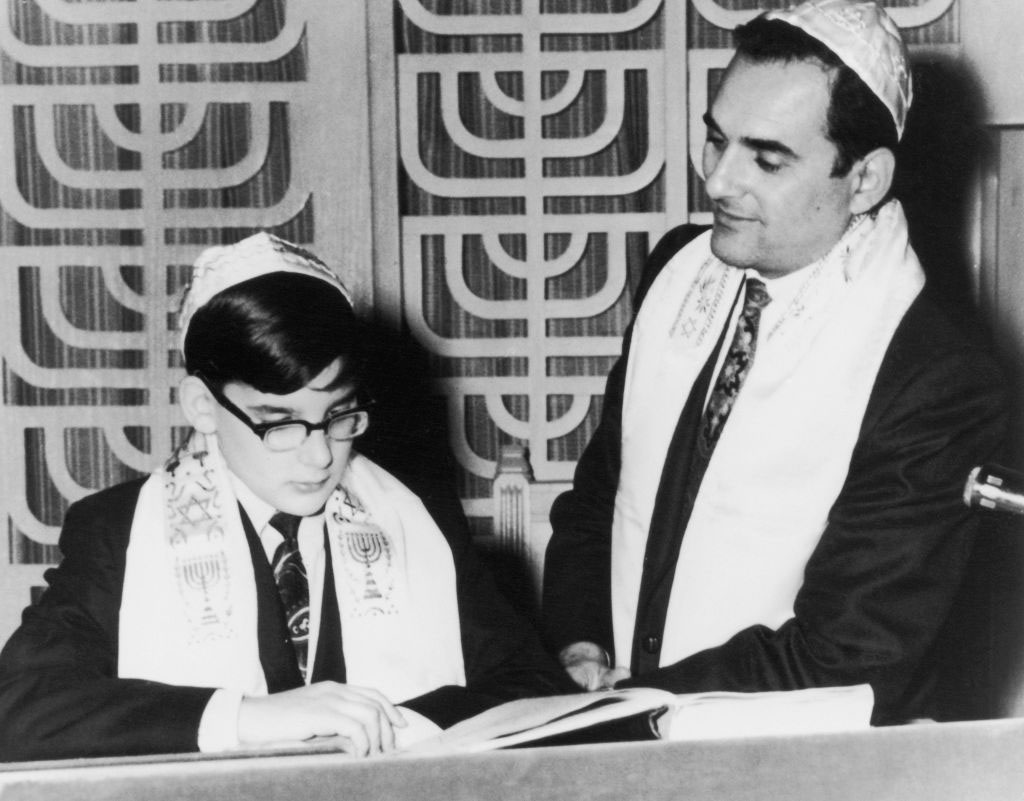
Born Sumner Murray Rothstein to Max and Belle (nee Ostrovsky) on May 27, 1923, Redstone grew up with his younger brother, Edward, in an observant family in Boston’s predominantly Jewish West End. Even as a child he was driven by his own ambition, as well as that of his parents. In fact, the family changed its name to Redstone when Sumner finished high school, in hopes of escaping the prevalent anti-Semitism.
Redstone recalled in his 2001 autobiography “A Passion to Win,” “I got up every morning, took a streetcar to school, and from that moment on lived in terror. I wanted to be No. 1 in my class, and I did nothing but study. All I had going for me was an education. We certainly didn’t have any money. The 10 cents a day I spent on round-trip streetcar fare was a significant sacrifice for my family, and I had to justify that sacrifice.”
That obsessive drive paid off. Redstone graduated top of his class at the prestigious Boston Latin high school, enrolled in Harvard on a scholarship and earned his bachelor’s degree in three years. During World War II, he worked with a team of Army cryptographers to break the Japanese wartime code. After the war, he returned to Harvard and earned a law degree.
In 1979, an arsonist set fire to the Copley Plaza Hotel in Boston where Redstone was staying. He staggered to a window and hung from a ledge on an upper floor until firefighters rescued him. He suffered third-degree burns over 45% of his body and underwent five operations over several months.
Throughout his life, and in his will, Redstone donated more than $150 million to various causes and institutions, with Los Angeles’ Cedars-Sinai Medical Center being the only recognizable Jewish institution.
With changing business conditions, considerable strife within his family and various liaisons with much younger women, Redstone’s wealth at his death had shrunk to a “mere” $3 billion.
In a statement after his death, his daughter Shari Redstone said he “led an extraordinary life that not only shaped entertainment as we know it today, but created an incredible family legacy.”
In addition to his daughter, Redstone is survived by his son, Brent, and five grandchildren.