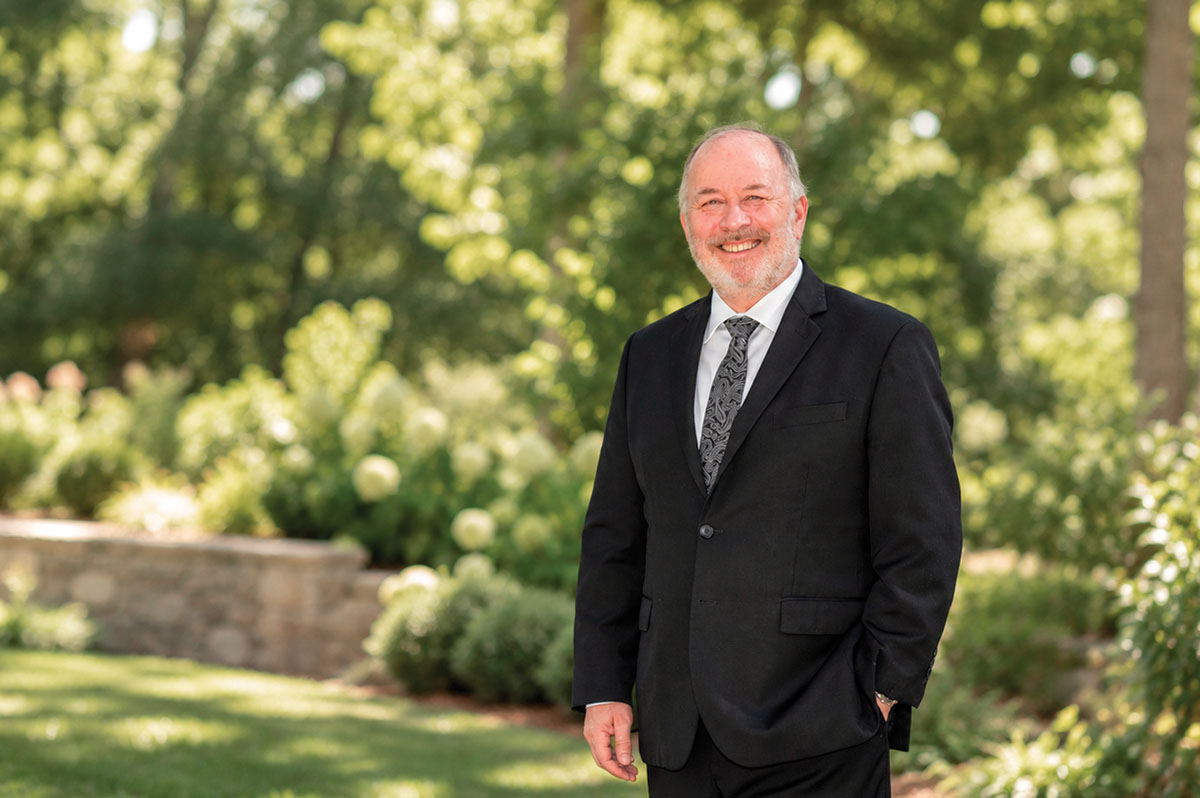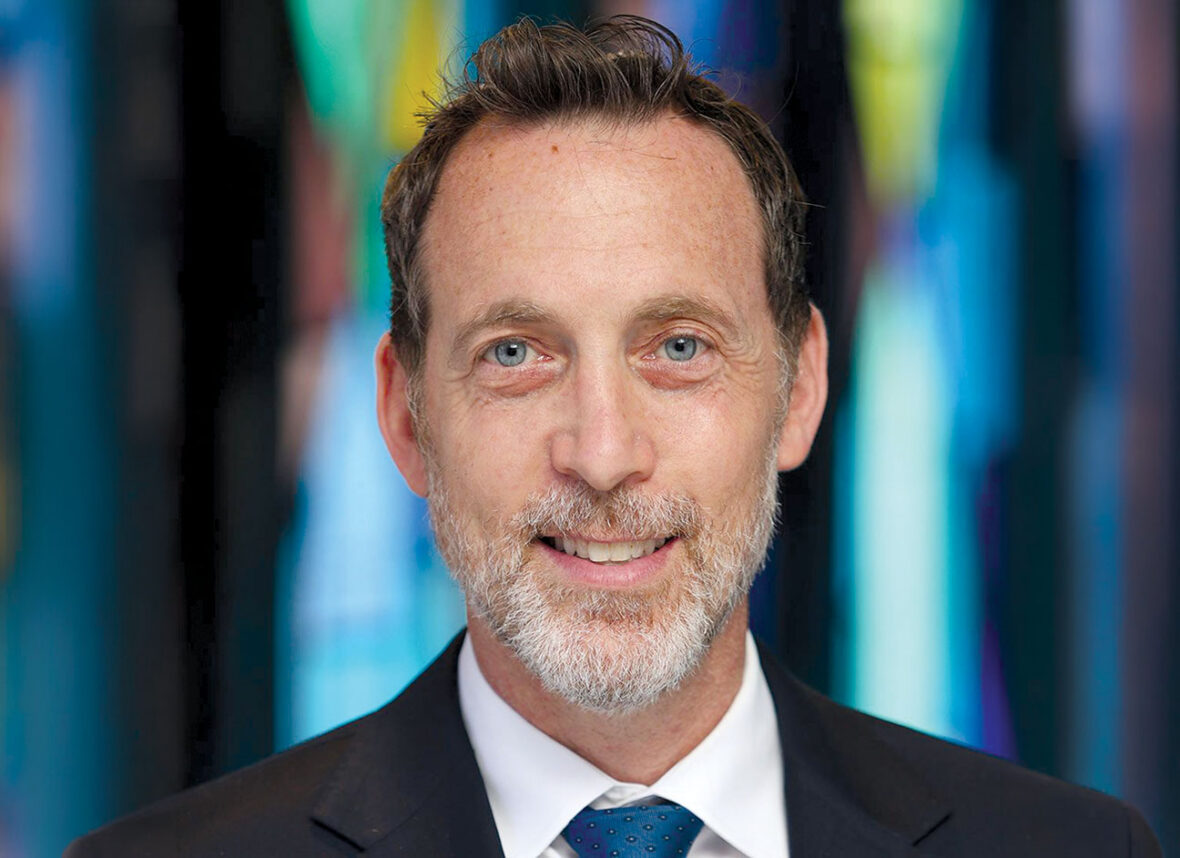
In a powerful sermon delivered from his pulpit on Sat., Aug. 19, Rabbi David Wolpe, one of America’s leading rabbis, called on President Donald J. Trump to repent for his remarks following the neo-Nazi march in Charlottesville on Aug 12.
“I never thought I would have to speak these words to a congregation but here they are: These are Nazis!” said Wolpe. “These are the people who rounded up our people all over Europe and put them in gas chambers. And they marched in the streets of an American city. And people defended the silence of the leader of our country for a full day.”
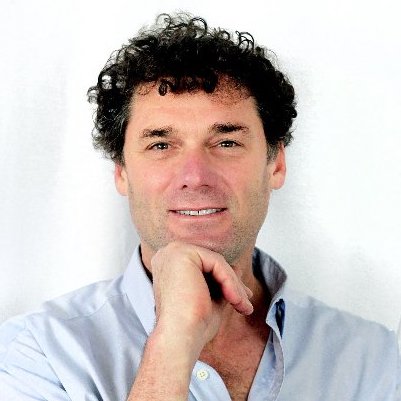
Wolpe is the Max Webb Senior Rabbi of Sinai Temple, a Conservative congregation in West Los Angeles. A prolific author and sought-after speaker, he is generally considered a centrist, anchoring a congregation that holds strong opinions across the political spectrum. Newsweek magazine named Wolpe, “the most influential rabbi in America.”
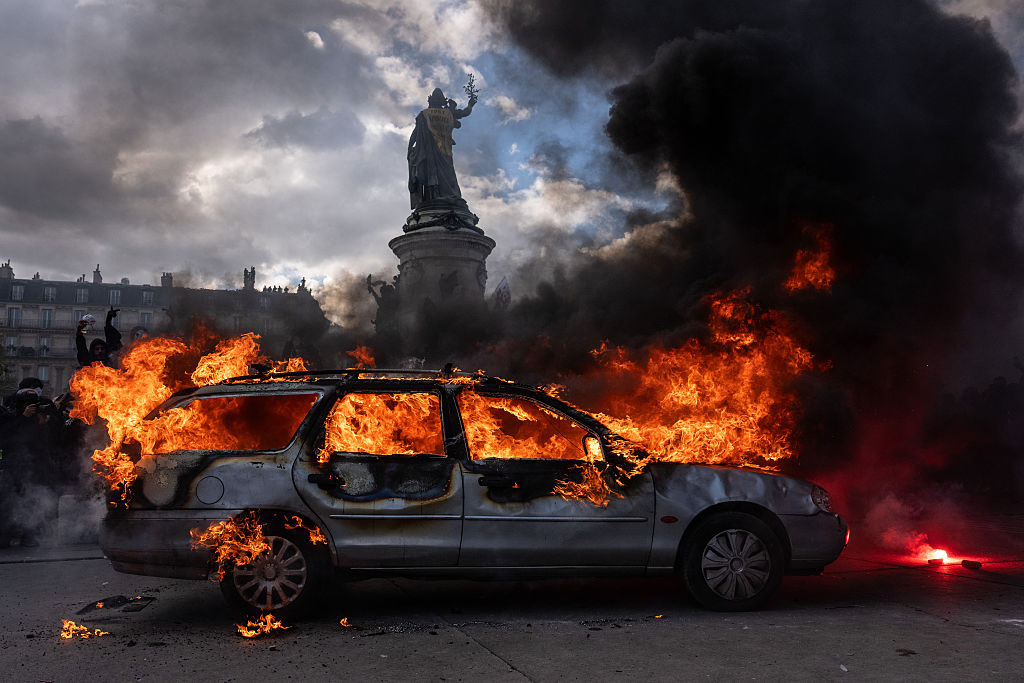
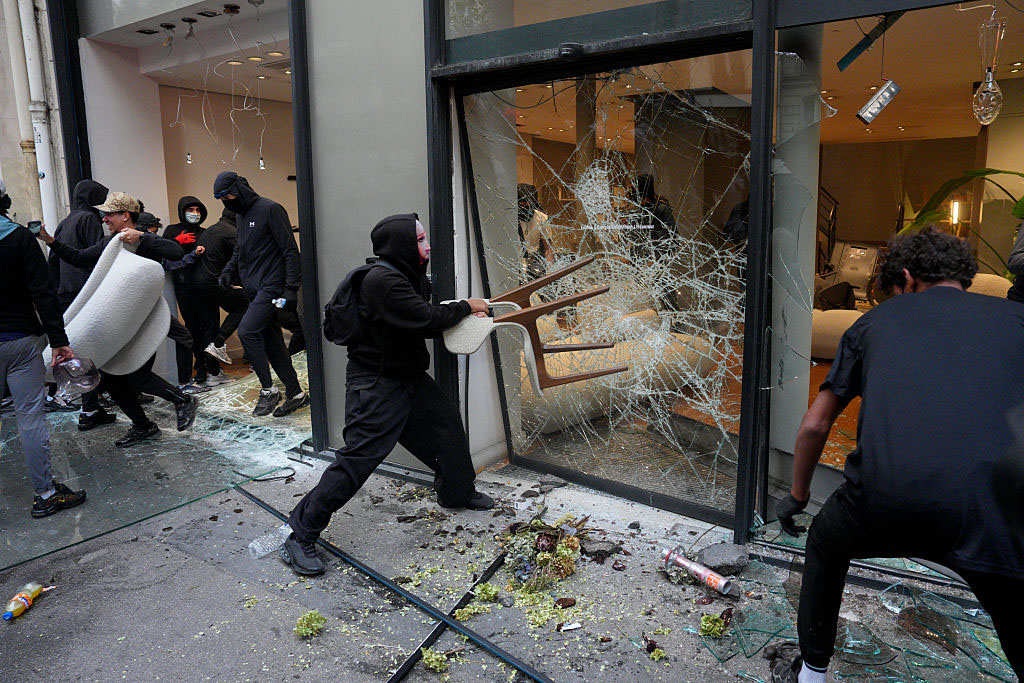
The Charlottesville march brought together an array of far-right, openly anti-Semitic groups. Though they gathered in Charlottesville ostensibly to protest the city-approved relocation of a statue of Confederate Gen. Robert E. Lee, Wolpe pointed out that they chanted, “Jews will not replace us!” and marched under banners decorated with swastikas.
A Charlottesville rabbi took online threats to burn his synagogue down so seriously, Wolpe said, that he removed the Torahs from the ark and took them to another building for safekeeping.
In the course of the march, a white supremacist drove his car into a group of peaceful counter-protestors, killing 32 year-old Heather Heyer.
Wolpe took issue with President Trump’s response to the violence. Instead of singling out and denouncing the neo-Nazis, Trump blamed “many sides.” After backtracking slightly in response to public outcry, Trump, in a followup press conference, said “there were some good people” on the side of the neo-Nazis.
“He said, ‘Some people on both sides were very fine people,'” Wolpe said of President Trump’s remarks. “Well, there were very fine people marching on the Left along with some people who were not at all fine … But nobody marching on the right is a very fine person, because a very fine person does not march under a Nazi flag, no matter what they think or what they feel.”
The rabbi’s congregation applauded spontaneously, something that breaks with synagogue decorum during services.
Wolpe has generally refrained from bringing politics to the pulpit. In a June 11 op-ed for the Jewish Journal entitled, “Why I keep Politics Off the Pulpit,” he bemoaned the fact that, “The litmus test for religious legitimacy has become political opinion.”
But Wolpe was clearly moved to speak out by Trump’s reaction to the Charlottesville protest, which also brought condemnations from the Republican Jewish Coalition, the Orthodox Rabbinical Council of America, and the right-wing rabbinic leadership of Lakewood, NJ.
The rabbi framed his sermon around three mitzvot, or commandments, that the Torah passage read in synagogues this week teach.
“The first is to judge [people] favorably, the second is to rebuke,” said Wolpe at the conclusion of his sermon. “The third mitzvah is teshuva — repentance. The President of the United States needs to repent. Shabbat shalom.”
On those words the rabbi took his seat.
You can hear the entire 16-minute sermon here.
“