Saturday afternoon my husband and I went to a friend’s house for a birthday party. While we were there, one of the family mentioned they were going to an amusement park the next day, and asked if we wanted to come along.
“I can’t,” I said, “I’m going to help build a sukkah tomorrow morning.”
“Hey,” said our friend Ruth, turning to her fiancé, “You promised you were going to build me a sukkah this year!”
Oops.
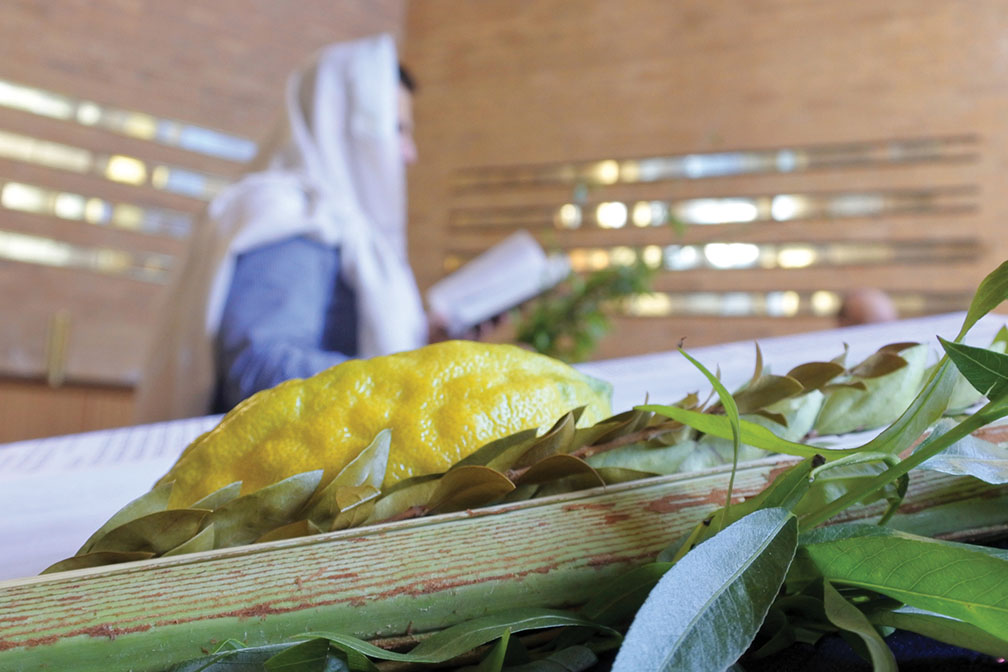
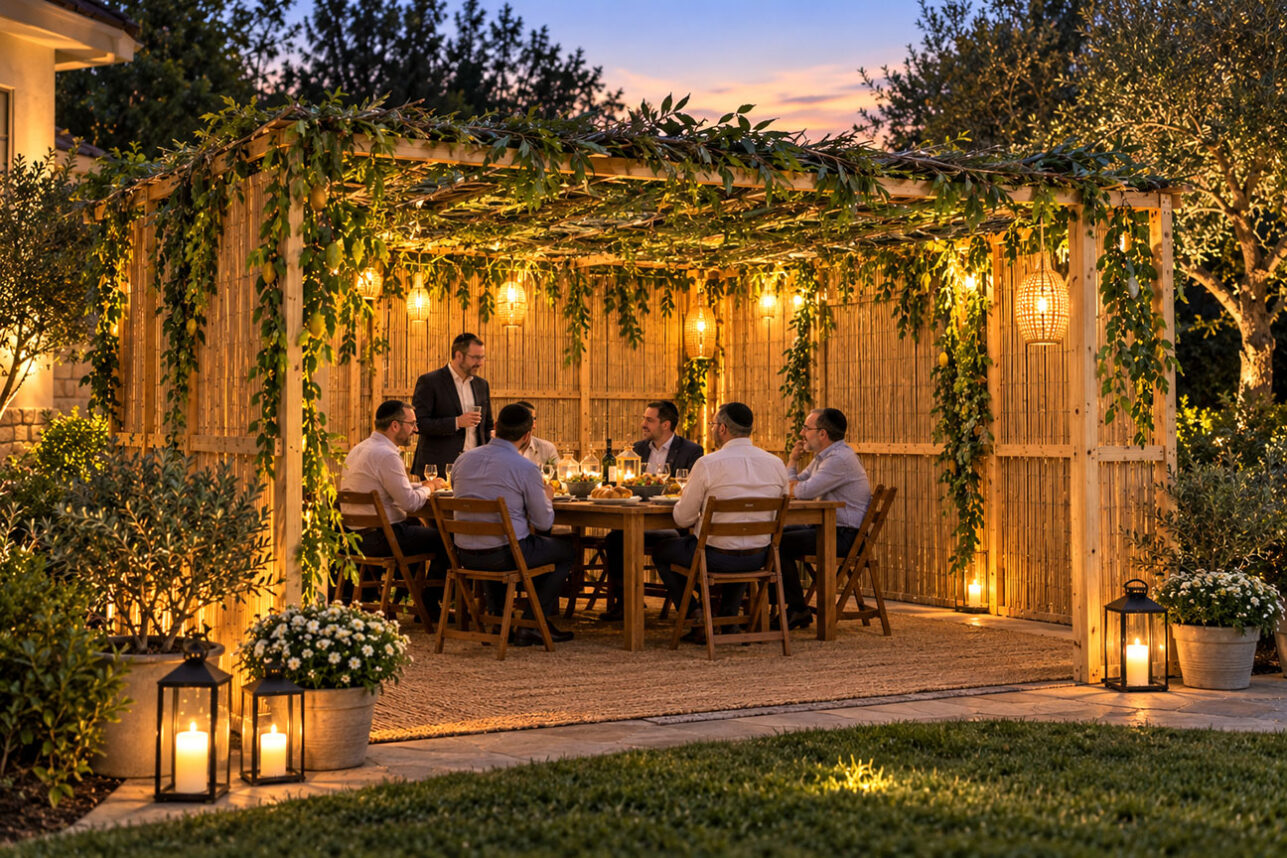
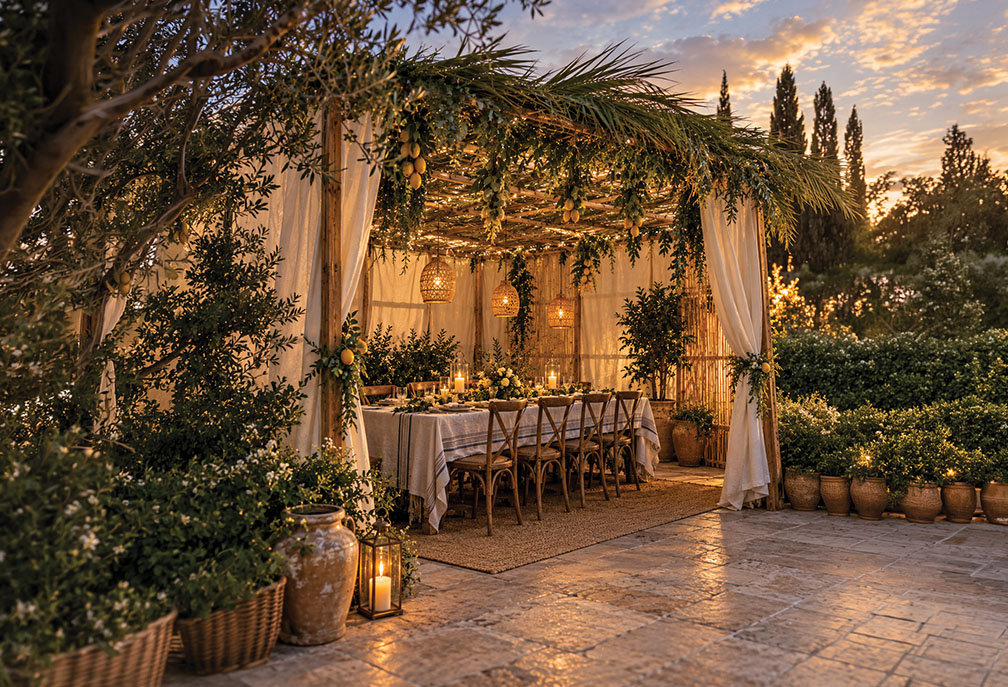
For those unfamiliar with the term sukkah, it is the Hebrew word for a temporary hut or booth. The Jewish holiday of Sukkot (the plural word for sukkah) started at sundown on Sunday, and runs for a week. Among the rituals of Sukkot, we are supposed to build a sukkah, eat meals in it, sleep in it, and invite friends to come enjoy it.
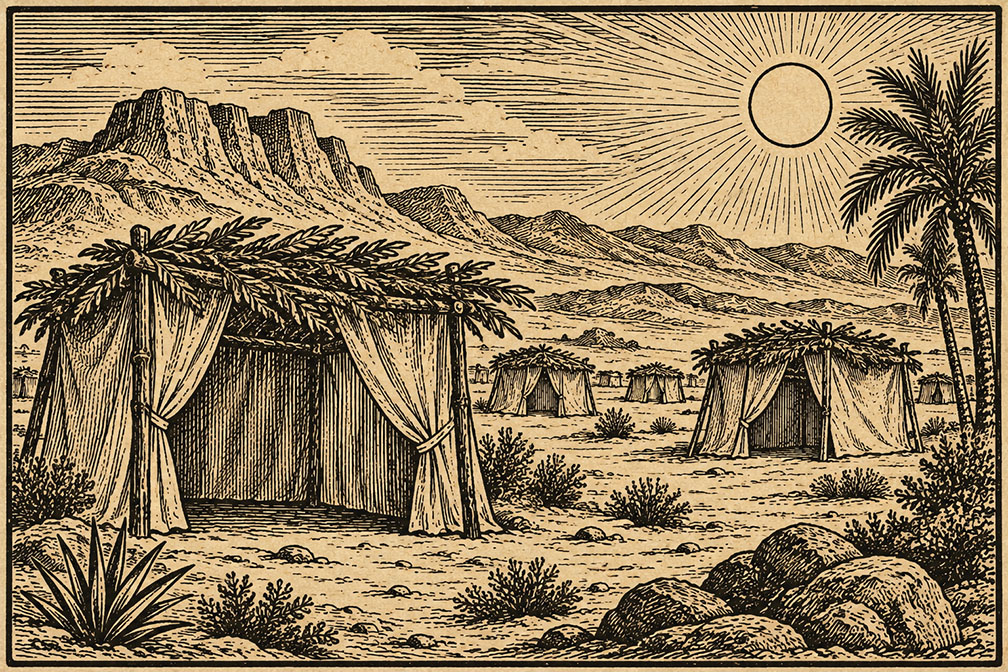
It reminds of the time the Israelites lived in temporary dwellings while wandering in the desert, and reminds us of our own vulnerability. It is also a nice way to get in touch with nature, since the roof of the sukkah is covered with organic materials and is supposed to allow us to see the stars and the sky.
Anyway, a conversation ensued about how the sukkah had to be built before Sunday night, but that the trip to the amusement park the next day would preclude it from being built on Sunday. I know we’re not supposed to do any work on Shabbat, but before I knew it, Ruth’s older son was looking up the specifications on the internet, and soon a contingent had left for the hardware store to buy supplies.
While they were gone, Ruth’s younger son rushed around, gathering greenery and scarves with which to decorate the sukkah.
The others returned from the hardware store with a collection of PVC pipes and connectors, burlap, twine, a thatch-like material for the walls, and lights to string up.
“Did you make a sketch or anything?” I asked them, amazed that they could figure out exactly what was needed, seemingly with so little effort.
“No,” they said, “we didn’t need one,” as they proceeded cut lengths of pipe and to lay out the frame.
“Well,” I thought, “these guys are video game designers. They think and draw things in three dimensions all the time. That must explain it.”
That sufficed, until we got to a certain point in the construction and discovered we didn’t have enough PVC pipe after all, leading to a second trip to the hardware store.
But in fits and starts, including a break for pizza and another break for birthday cake, the birthday-party-turned-sukkah-building-party resulted in a smashing success, with enough room inside the sukkah for the whole family to eat meals, and with space for some to sleep in it if they want to.
It was a lot of fun to participate in the first sukkah building experience for Ruth’s kids and fiancé. It truly did feel like a mitzvah. Plus, now that they have all the materials, in future years they will have a sukkah to erect every Sukkot, and to which they can add additional decorations as the years go by.
May they use it for many years, and in good health.
—————-
“Like” the “>follow me on Twitter.