




fbpx

Afraid of Death? Join a Chevra Kadisha

[additional-authors]
July 5, 2012

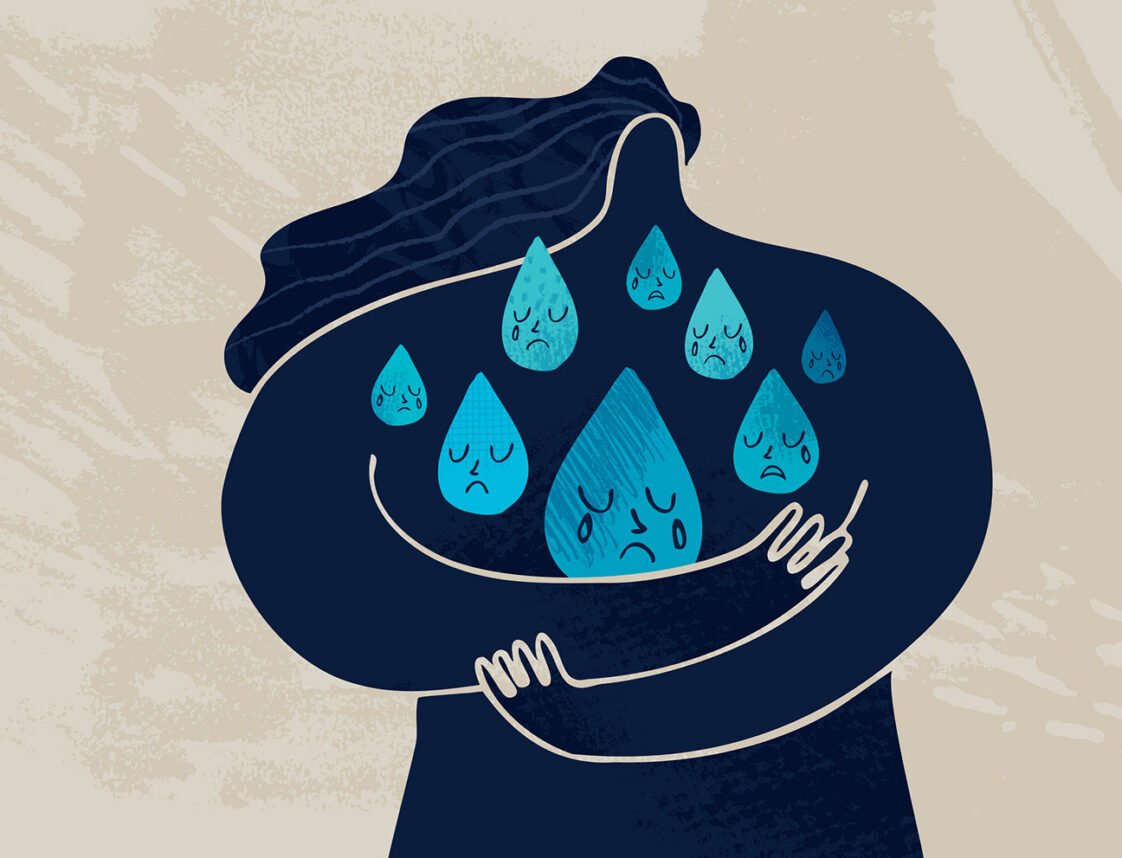
A few short years ago I was afraid of death. It’s not that I was afraid I was going to die any time soon; it’s just that I was afraid of anything having to do with death. I avoided people who’d had a death in their family. I didn’t know what to say. It wasn’t something I wanted to think about, let alone face. So how did I end up in a chevra kadisha, a group of people who care for the dead and dying?

In a way, it started with the death of my first marriage. My ex-husband was emotionally abusive and incredibly controlling, which meant I spent a lot of time being afraid. Anything I said or did might set him off at any time. One of the first promises I made to myself when we divorced was that I wouldn’t let fear run my life any more.

Every week, our synagogue bakes dozens of loaves of fresh challah for those with a recent or upcoming bar or bat mitzvah, a new baby, an engagement, etc., as well as to those who are ill or who have recently lost a loved one. Volunteers stop by the synagogue to pick up one or more loaves to deliver.

One day, I decided to deliver a challah to the home of a woman who had lost one of her parents. I was terrified. What would I say to her? What if she was crying? How would I know whether or not to stay and chat? What if I said or did something stupid and upset her even more?

I took a deep breath and rang the doorbell. The woman’s husband answered. I never even saw her. But week after week, I forced myself to make deliveries to the homes of people in mourning, until I became comfortable with it.

Later, when the synagogue formed a bikkur cholim group to visit the sick, I joined, and started visiting an elderly woman who isn’t able to get out much. Next, I took a class on how to lead a shiva minyan, and began to volunteer to lead services at the home of those who had recently died. I began to learn that comforting mourners isn’t about thinking of something brilliant to say so much as it is about being available to listen to what the mourners need to express in the moment.

So perhaps it wasn’t surprising that when our bikkur cholim group made plans to expand into a chevra kadisha, I went along for the ride. At first, I thought I would start out just doing shmira, watching over a dead person from the time of their death until burial. This mostly involves reading Psalms to a person already in a coffin, which felt manageable.

I thought there was about a 50-50 chance that if I actually saw a dead body, I would faint. My plan was to do shmira several times, then go observe a veteran group doing taharah (washing and dressing a dead person, and placing her in the coffin), and then decide whether I felt prepared to participle in taharah myself.

As they say, we make plans and God laughs. The day after we finished our taharah training, a dear congregant died. She had chosen three friends to participate in the taharah, but none of them were in the chevra kadisha, and none of them were trained to do it. We needed someone from the chevra kadisha to lead them. That person turned out to be me.

Since the other three women were counting on me to take the lead, fainting was not an option. It turned out to be the most meaningful thing I’ve ever done. Life is full of uncertainty, and we almost never know, in the moment, that what we’re doing is the right thing to do.

I will never forget the feeling as I held this congregant in my arms and laid her in her coffin. She looked so peaceful, and I knew, right then, we were doing exactly the right thing. And suddenly, I discovered, I am no longer afraid of death.


“Like” the

Did you enjoy this article?
You'll love our roundtable.

Editor's Picks

Latest Articles

Bringing Israeli Doctors Back

ScienceAbroad works with two groups in medicine: physicians who leave Israel for fellowships and Israeli students who attend medical school in Europe.

The Antizionist’s Dilemma

It’s not easy being an antizionist these days. Especially if you’re determined to live in accordance with your most important moral imperative: the denigration of the world’s only Jewish state.

How the Supreme Court Adapted Parshat Shoftim

The Torah offers a better model than avenging and avoiding. It offers a safe opportunity for parties to meet and peacefully explain their perspectives, which might have been misunderstood. They can offer apologies and, where necessary, make amends for harms caused.

Can One Be a Non-Observant Orthodox Jew?

The tradition has always been bigger than any one person’s grip on it. What draws me is simple: I think these texts are a good part of why we are still here as a people. I want to know them and, in my own way, embrace them. Orthodox is where I turn.

Lies, Damned Lies and the Right Side of History

One question alone matters these days: Does this fact strengthen my tribe, or is it bad for it? If bad, it must be suppressed, denied, explained away. The higher truth is the narrative that serves the cause, the quest of the righteous and true.

Life Lessons in Old Age

Hardship and joy are present at every step. There is no time when it will be all good, so focus on the good and carry on. There are always moments to savor and appreciate.

Is Mamdani Helping Bibi?

By explicitly linking Mamdani’s efforts to rising levels of antisemitism, Netanyahu was able to frame himself as a defender of Israel against growing international hostility.

More news and opinions than at a Shabbat dinner, right in your inbox.