Look up the term “unintended consequences” and you’ll find an entire school of thought on the subject. According to one source, consequences of this sort can be classified as positive, negative or, oddly denoted, perverse. How wonderful are those moments when a new discovery emerges from a serendipitous mistake, like the discovery of penicillin in healing the sick, or the discovery of aspirin to help prevent heart attacks. So many lives have been saved from blunders and mishaps; there is a holiness in this type of discovery.
And then there are those actions that are unintentional and innocent yet cause far greater harm than one could have possibly imagined — irrigating a land plot and causing irreparable erosion or the proliferation of cattle-raising for food and the impact it has on the depletion of the ozone layer. The perverse nature of such consequences is even seen in our social sphere where, for example, there was a dramatic rise in “hit-and-run” accidents as a direct result of tougher laws prohibiting drinking and driving. Can there be a dimension of holiness in these situations, too?
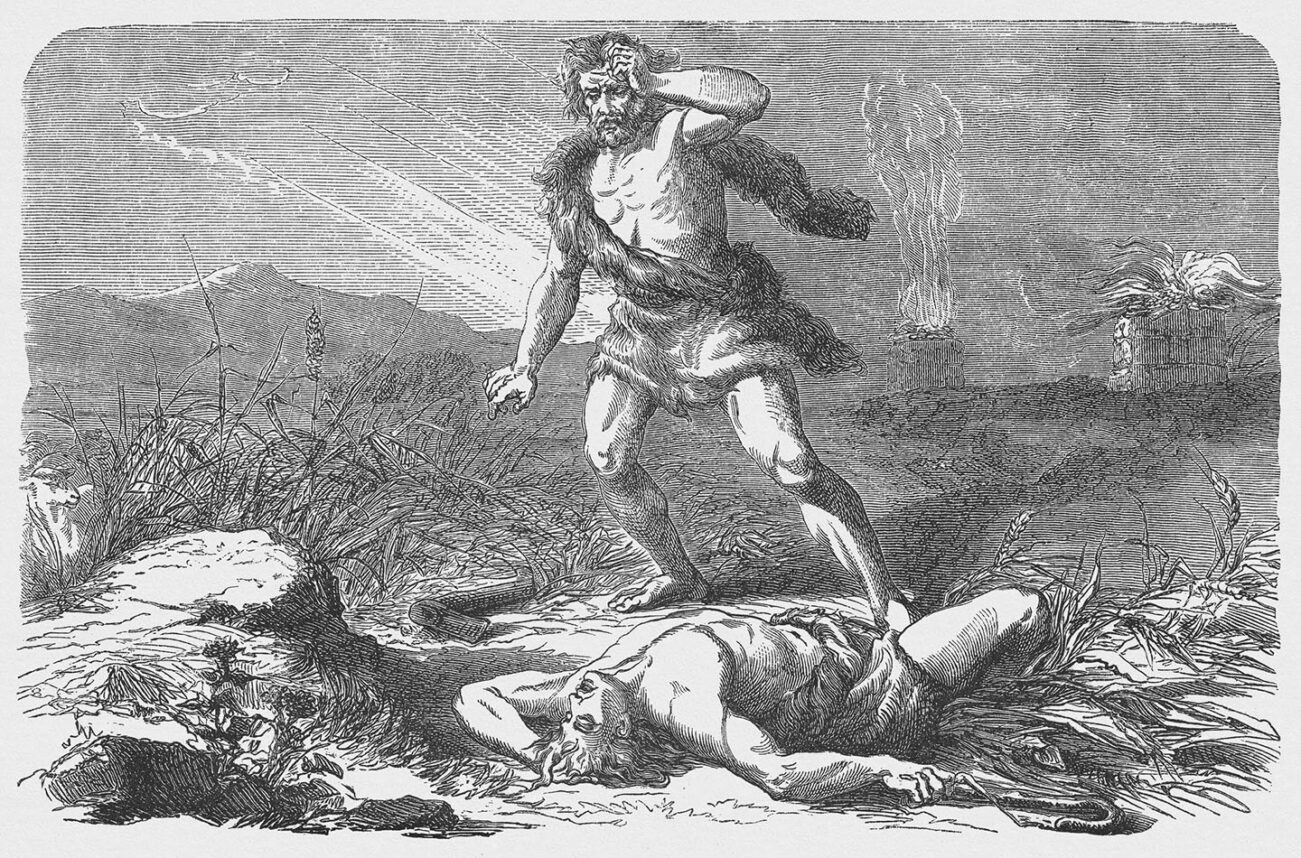
This possibility is the focus of the troubling episode in this week’s Torah portion on Aaron’s sons, Nadav and Avihu. The entire affair is brief — a total of three verses (with a couple more explaining how the community deals with the bodies in the aftermath). Two of Aaron’s sons come forward before God in the mishkan and offer fire, “which He had not enjoined upon them.” Nadav and Avihu are consumed by fire themselves, and God then pronounces, “Through those near to Me I show Myself holy/ And gain glory before all the people” (Leviticus 10:1-3). Are we to find in the tragic demise of these two souls a sobering adjuration against improper offerings? Shall we read this as some sort of perversion of holy behavior?
We can’t assume that Nadav and Avihu anticipated or expected that God would engulf them in flames as a consequence for their negligence. Even if their motivations for bringing the offerings were suspicious, as many rabbinic commentaries suggest, there is no precedent or forewarning that their behavior was worthy of a death sentence, a gruesome and harrowing one at that. The mechanics of sacred offerings have been made clear and explicit. Nadav and Avihu must have known them. Yet, it appeared that their actions caused fatally unintended consequences.
Entering into God’s presence should never be unintentional. We may posit that Nadav and Avihu were lacking a certain humility by not adhering to God’s warnings for proper entrance into the tent. The rabbis of the Talmud go further, suggesting that Nadav and Avihu’s punishment was a spiritual death. The fire that was intended to consume their offerings consumed their souls instead, leaving their bodies intact (Sanhedrin 52a). They might have physically walked away from the experience but their souls were scorched in the process.
The path toward holy living is filled with twists and turns that we can never fully anticipate. Still, kedushah is the unmitigated, completely dedicated encounter with Divine Truth. To desire God’s presence is to recognize that our encounter must be completely deliberate. We can strive toward this complete presence in our relationships with loved ones, our professional associations and on our personal quests for meaning. God’s lesson is, “Through those near to Me I show Myself holy/And gain glory before all the people.” Only the God of Israel shows holiness and glory before all the people. If we are humble and dedicated servants of this holy truth, God’s presence will be revealed to us. And that relationship is absolutely intentional.
Rabbi Joshua Hoffman joined the Valley Beth Shalom (vbs.org) rabbinic staff after his 2003 ordination from the Ziegler School of Rabbinic Studies. He teaches in the greater Los Angeles Jewish community, including as a lecturer in courses on liturgy and essential Jewish texts at American Jewish University, as a teacher in the Florence Melton Adult Mini-School of the Conejo and West Valleys, and as a guest lecturer at Los Angeles Hebrew High School.