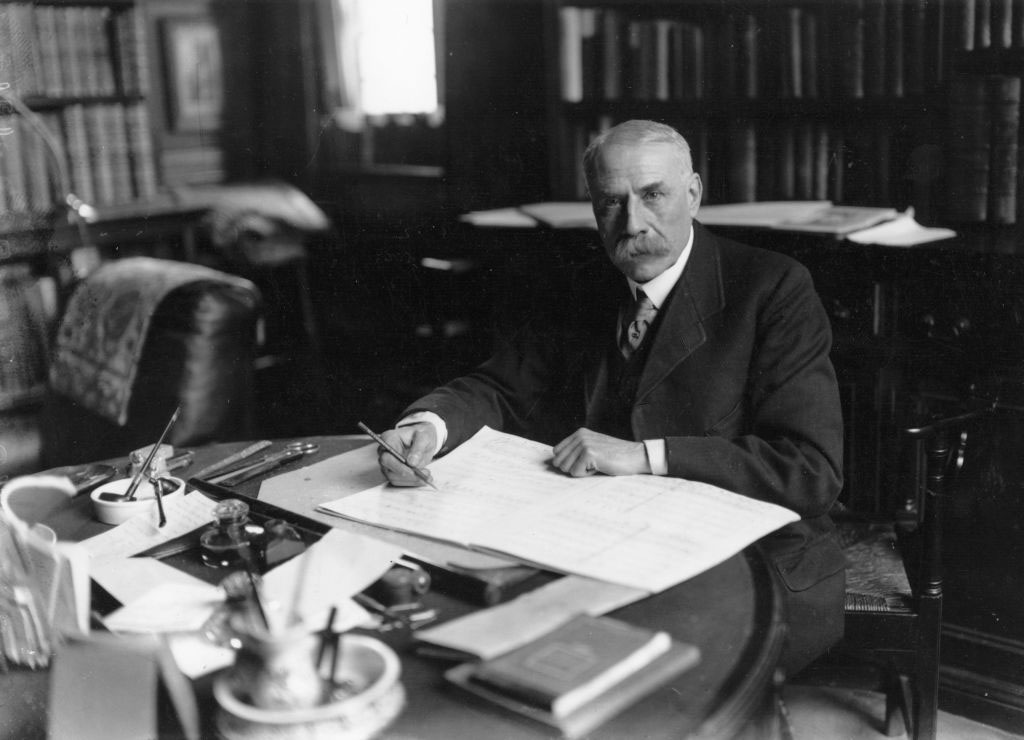







There is a struggle within us between constriction and expansion, between despair and vitality. Good humor can be a powerful ally against the constriction that suffering creates.

The 402-page book is organized around 36 life lessons related to the Book of Genesis, with thoughtful study questions and dozens of responses from respected sources in Jewish thought.

Making Israeli films is not easy. Budgets are generally small by American standards, and international financing has become increasingly difficult to secure amid the cultural boycott of Israeli cinema.
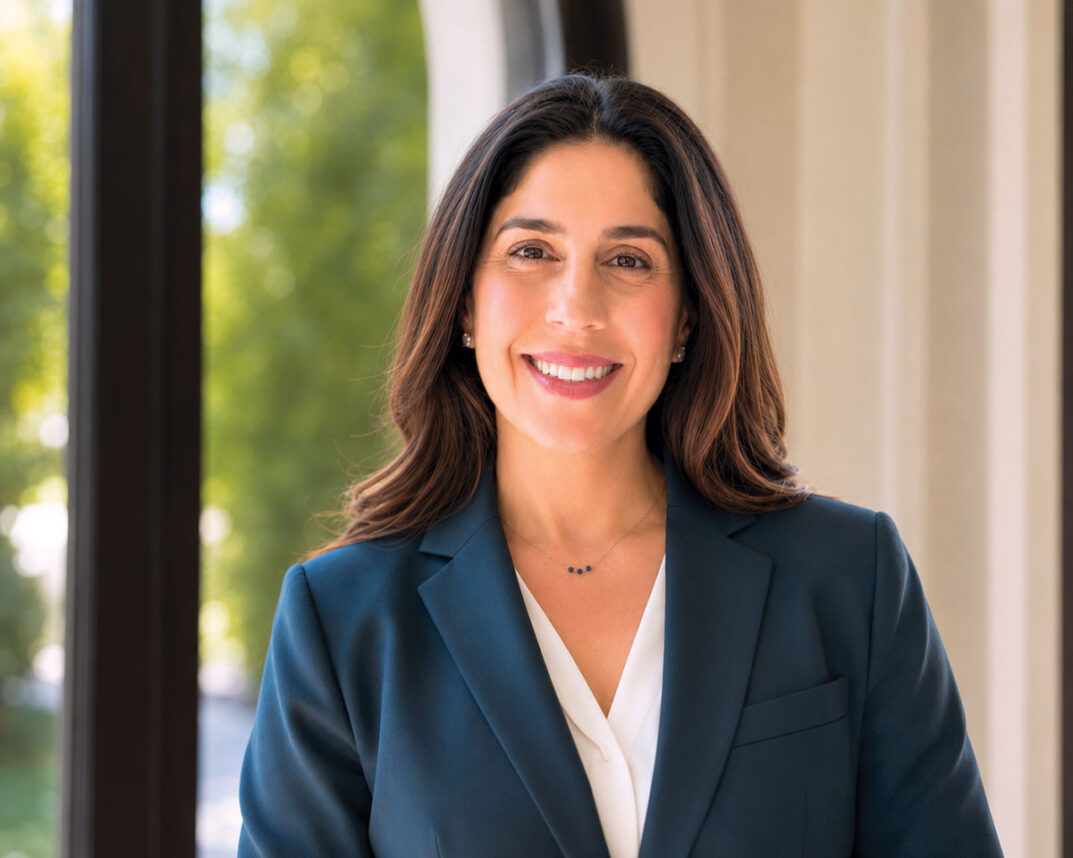
For Judith, her family’s experience as refugees from Iran is part of what drives her commitment to speaking out against antisemitism and never staying silent.

Mickey Katzburg, founder of the World Center for Jewish Education, is trying to give Los Angeles Jews another option: an etrog grown in Israel, while at the same time helping support farmers in the country’s Gaza border region.

Dates are a perfect way to add natural caramelized sweetness to desserts.

Elevating the Physical

The report, which can be found on CampusFairness.org, took into consideration five criteria: incident record, institutional response, anti-Israel organizing, Jewish life on campus, and the legal and structural environment.

For both MAGA and Arday’s defenders, truth doesn’t matter, lies are accepted as facts, and tribe matters above all.
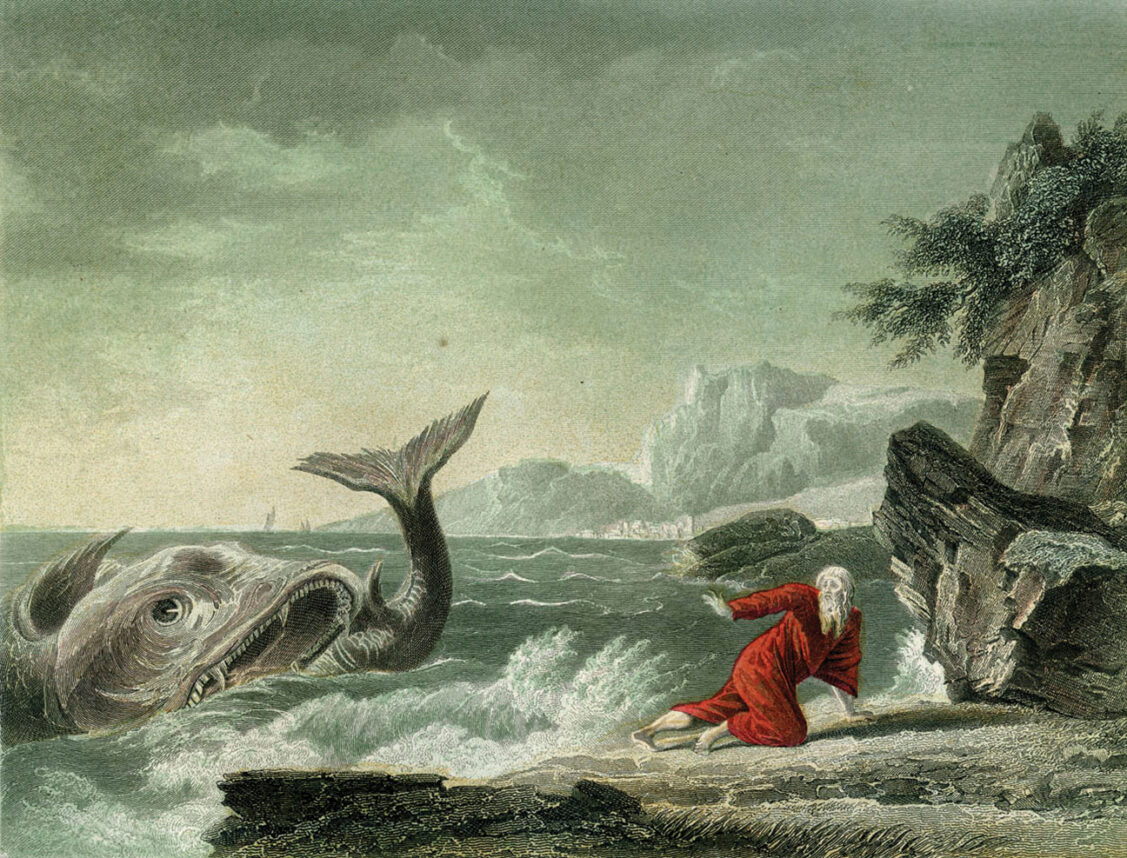
When Jonah makes his appearance on the holiest day of the year, he is meant to remind Jews across the globe of the remarkable grace of repentance.

In this time of introspection and rising adversity, let us resolve as American Jews to write our new chapter by better understanding our history.

Among the most high-profile artists to criticize Macklemore’s MetLife Stadium rant was P!NK. Born Alecia Moore, P!NK is a Jewish Grammy-winning pop star who has been increasingly public about her Judaism and antisemitism since Oct. 7.
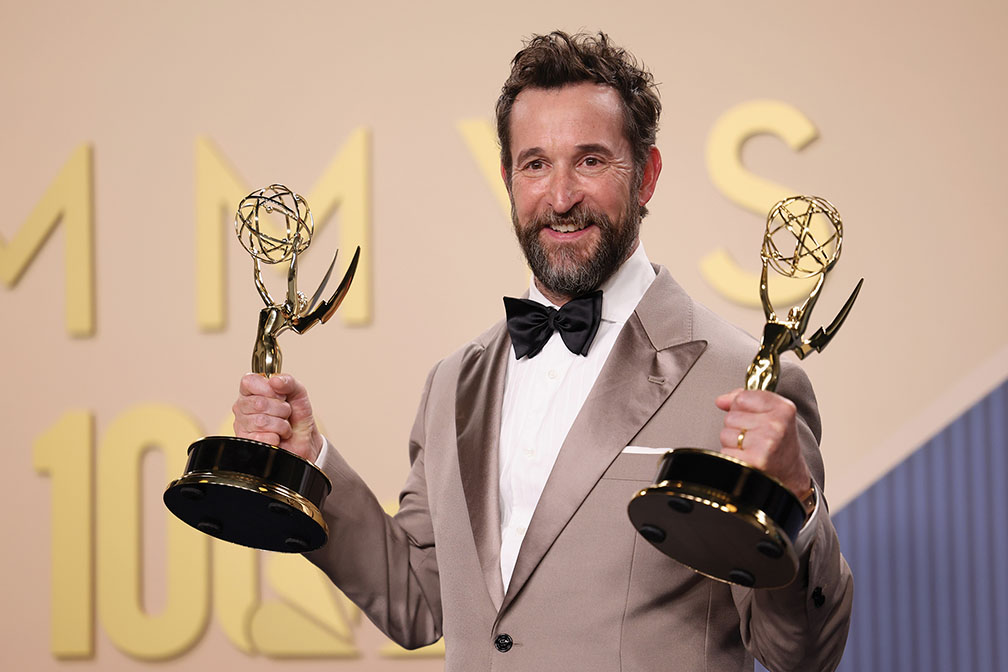
Wyle won Outstanding Lead Actor in a Drama Series for playing Dr. Michael “Robby” Robinavitch on HBO Max’s “The Pitt.”

Are you better off than you were four years ago?

The collective assault against Israel has been so broad and deep it’s been hard finding anyone in the mainstream media who will dare go after the Hamas murderers whose biggest victims are the Palestinians.


Clinical trial statistics tell us where investigational drugs are tested. They do not tell us who owns the assets, who uses the evidence to obtain regulatory approvals or who captures the economic value when those drugs succeed.

A government can force a woman to cover her hair. It cannot force loyalty.

We are all trying, in our own imperfect ways, to find an entrance into a better self.

Grappling with the seemingly inexplicable is something to keep in mind as we resolve to improve ourselves in the days ahead.