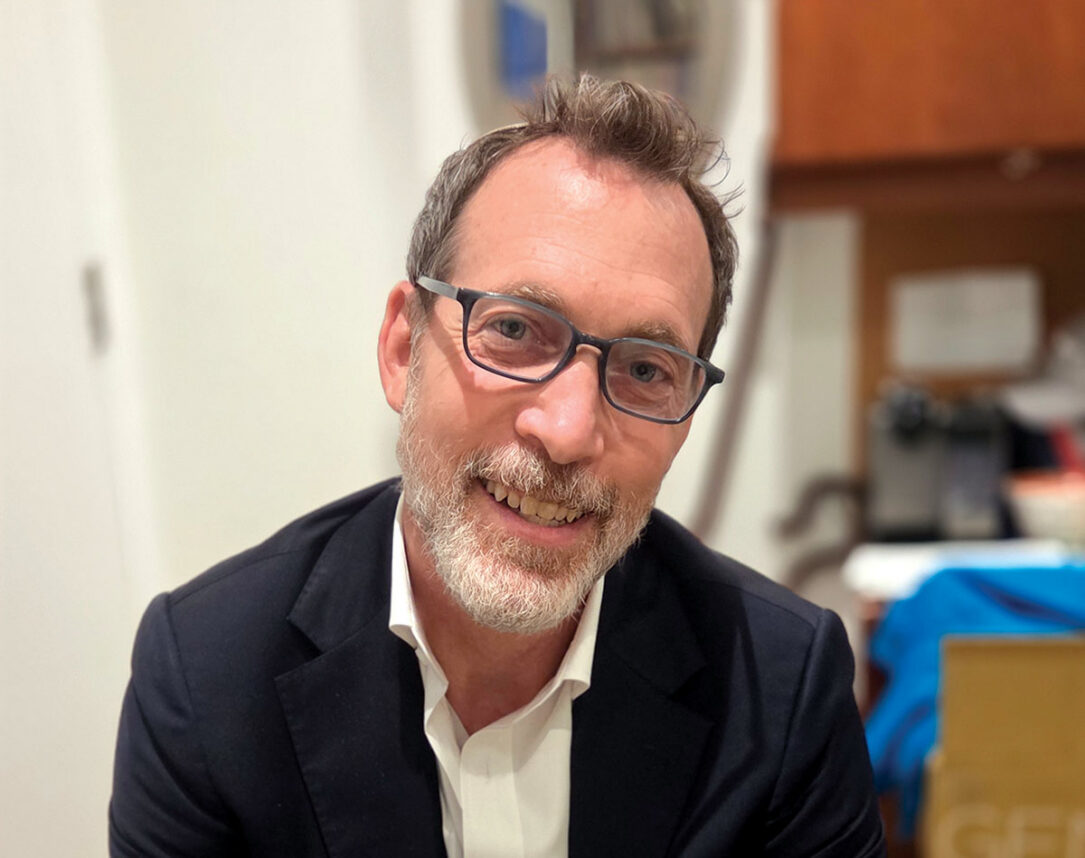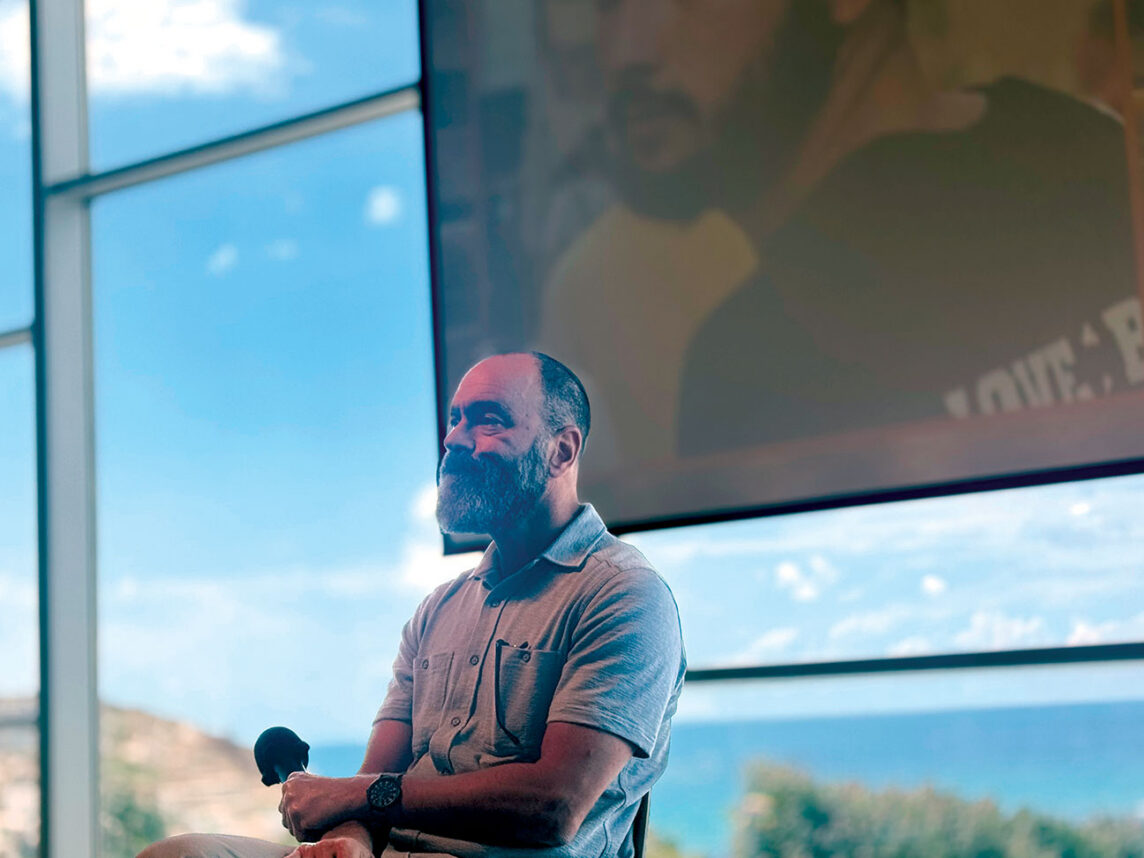
Every day Commander Rami Hassan drives 90 miles each way from his home in Kfar Yarka in the Galilee to his military base in Yehud near Tel Aviv. But he’s used to it. He’s been in the Israel Defense Forces (IDF) for 26 years.
A member of the Israeli Druze community, Hassan has two great loves: his family and his country. A husband and father of four, Hassan comes from a family dedicated to public and national service. His father served as a border police officer and all of his brothers served in the IDF.
“I love to give as much as I can, to contribute as much as I can,” he said. “In our culture, we learn from our parents, our cousins. They all do service — a love for the land, for the country.” While Druze make up under 2% of Israel’s population, they are disproportionately found in the army and police forces.
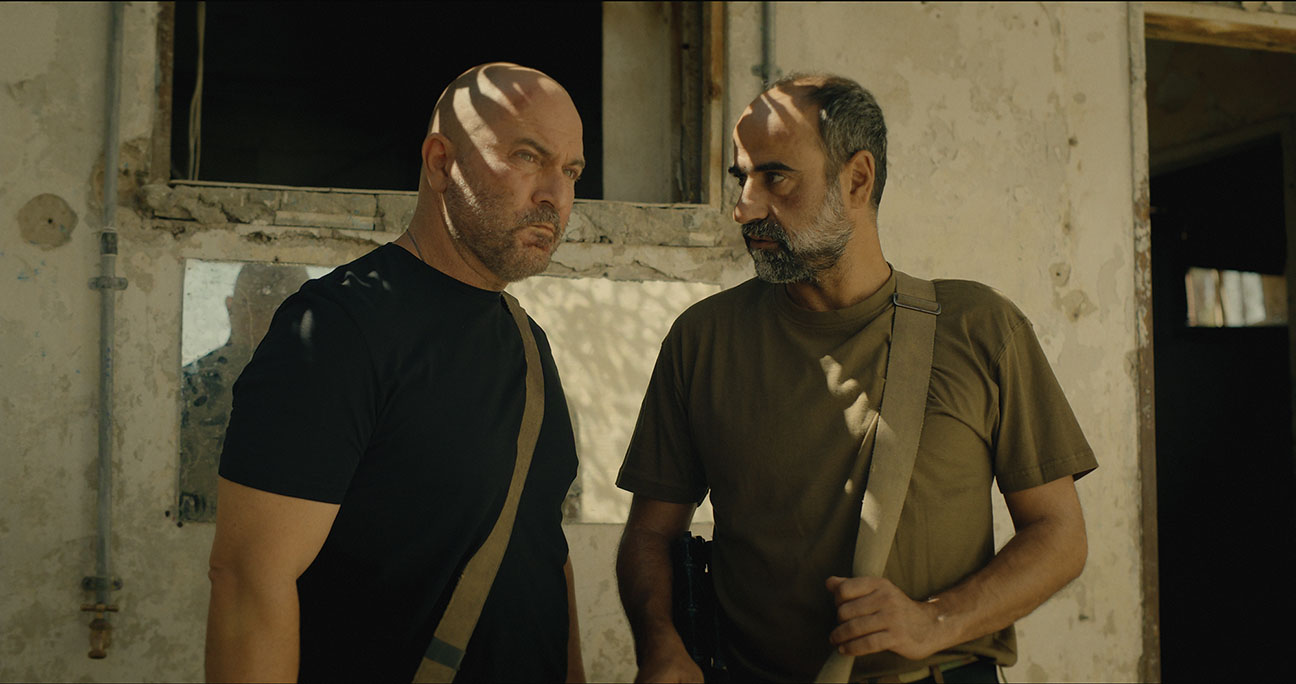
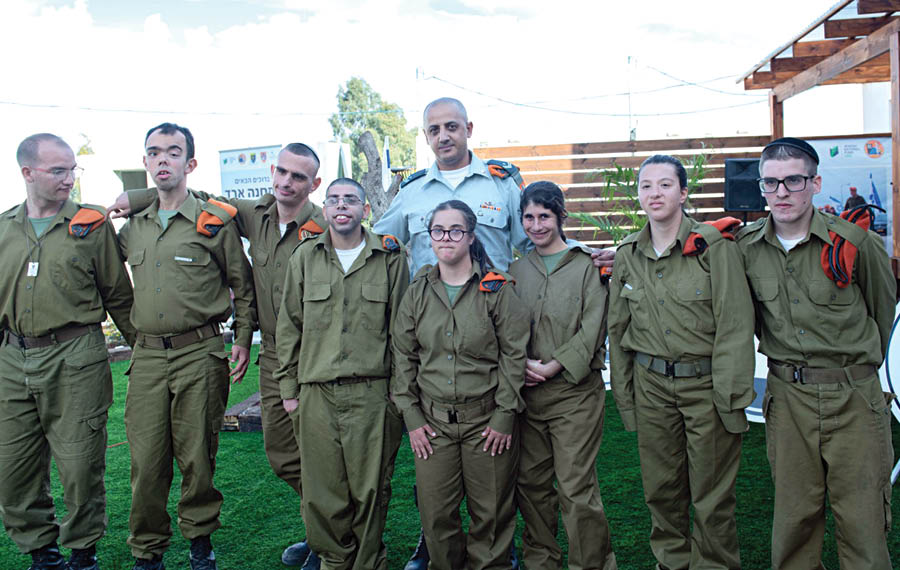
Druze soldiers serve in all-Druze units and in fully integrated units throughout the IDF. When Hassan first heard about the program “Special in Uniform” — an innovative program that integrates youth with disabilities into the IDF — he understood its importance. When the organization reached out to Hassan a few years ago asking him to accept some of their participants, he said he “tried it for a week and it’s [now] been four years.”
Hassan currently has 15 participants in his unit and five have served as full IDF soldiers, rather than as volunteers — a decision he was able to make as their commander. “For me, this is the most important project in my life,” Hassan said. “If they are successful, I am happy.”
“For me, this is the most important project in my life. If they are successful, I am happy.”
Special in Uniform provides young people with disabilities the opportunity to feel like a part of Israeli society. In a country where army service is mandatory for men and women at the age of 18, the army is a cornerstone of Israeli society. Imagine a young man, blind from birth. His father served in the army, his siblings in the army, his cousins, his neighbors. Serving in the army makes him an “insider” as opposed to emphasizing his differences.
Hassan believes that the structure, camaraderie and personal agency are the keys to empowering these young adults who have disabilities. “They wake up at 7, they have somewhere to be at 9, and a lot to do,” he said, adding that they build social skills, gain real work experience, develop personal abilities and build skill sets, all of which hopefully help them integrate into Israeli society and the workforce post-enlistment.
Hassan shares one of his recruits’ success stories, noting that when the soldier first joined the unit, his verbal communication was severely limited. “He spoke with his hands, and could get a few words out. Now he speaks in full sentences. All of a sudden he had these people around him, different people. Every day we spoke with him. We speak at work, sing at work.”