Israel’s Cabinet unanimously approved a five-year, $3.84 billion plan to improve infrastructure in Arab-Israeli and other minority communities.
The plan changes government allocation mechanisms in order to reduce gaps between Jews and Arabs and to aid the economic development of the Arab sector, Prime Minister Benjamin Netanyahu’s office announced in a statement Wednesday.
Arab-Israeli leaders welcomed the plan, but many expressed skepticism that it would be fully implemented or would have a large enough impact. Arab-Israelis and other non-Jewish minorities make up approximately one-quarter of Israel’s population.
The decision includes measurable goals in education, public transportation, highway infrastructure, employment, public security, law enforcement, sports, community services and other areas.
The plan will facilitate the future construction of tens of thousands of housing units in minority communities, according to Netanyahu’s office.
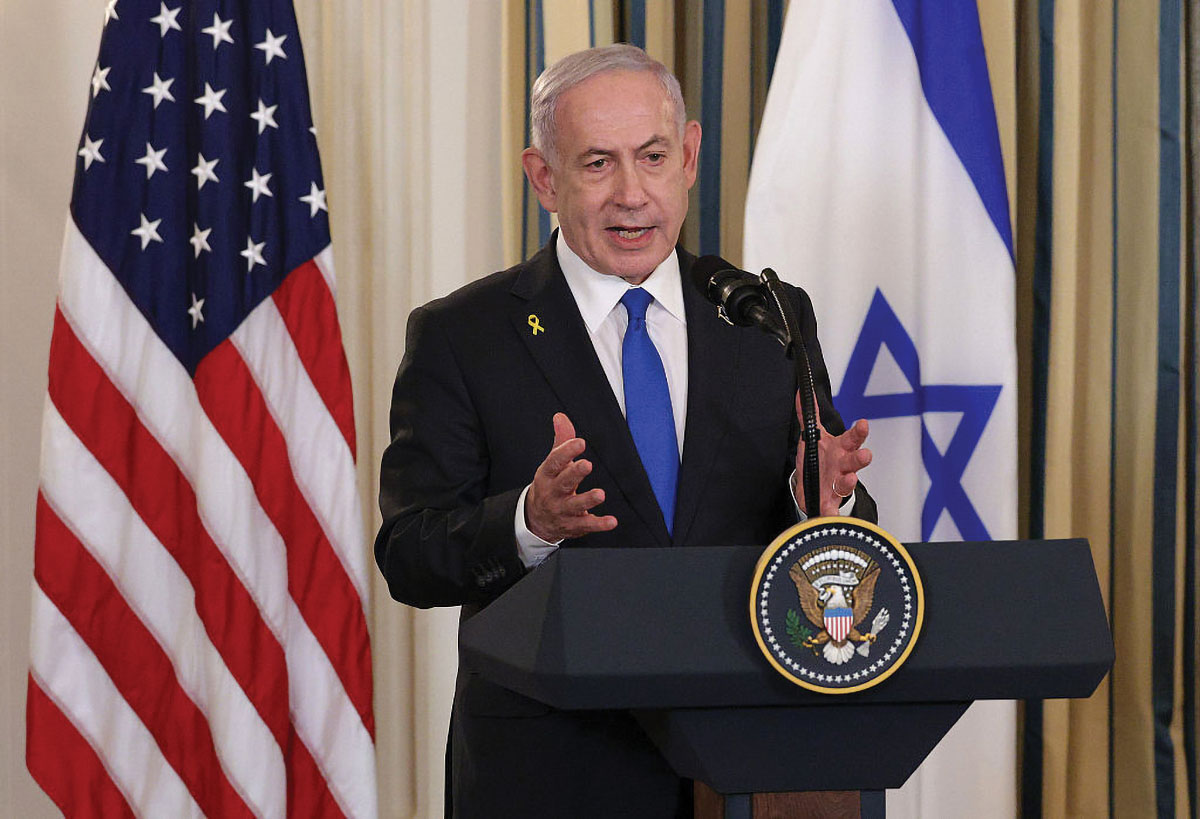
“This is a significant addition designed to assist minority populations and reduce gaps,” Netanyahu said in a statement. “The plan will lead to the end of close-to-the-ground construction and a transition to high-rise construction as exists throughout the country.”
Social Equality Minister Gila Gamliel called the plan “dramatic news.”
“For the first time, the Government of Israel is changing the allocation mechanisms in government ministries so that Israel’s Arab citizens will receive their relative share in the state budget,” she said in a statement.
According to the Times of Israel, Knesset member Ayman Odeh, who leads the Arab Joint List party, welcomed the plan, but emphasized that it “is still far from complete.”
“We need to follow implementation of the plan,” Odeh said. “Even though we have a long history of disappointments in the past, and we have no illusions about the government’s racist policies, we hope we shall see the full implementation of the program.”
Joint List lawmaker Yousef Jabareen told The Jerusalem Post he is concerned the plan does not specify the precise budget for each of its provisions, and he noted that it “falls way short of our over [$7.68 billion] plan.”
“I am afraid that the government is paying lip service for the international community,” he added, according to the Post.
Meanwhile, Avigdor Liberman, leader of the far-right Yisrael Beiteinu party, condemned the plan for providing more funds to the Arab sector.
“While Islamic State is threatening to destroy Israel, the Israeli government finds it necessary to strengthen the Joint Arab List — just as Islamic State’s ultimate aim is the destruction of Israel,” Liberman said in a statement, according to the Post.
President Reuven Rivlin called the plan an “important and vital step on the road to closing the gaps which have existed for years.”
“This decision of the government will strengthen the resilience of the entire of Israel’s society, it will strengthen Israel’s economy, and will contribute to the improving of the trust between the citizens of Israel, and their state,” he added, according to a spokesman.