A few years ago, photographer Assi Haim was wandering the streets of Tel Aviv, camera in hand, in search of a project topic. It was at the corner of Allenby and Mazeh streets that he found cafeteria proprietor Zosha, 84, and Nurit, his coworker for 18 years.
Speaking in a 2011 presentation, Haim said, “I don’t know what drew me in, whether it was the green Formica or Nurit’s sweater glowing in the sunlight. But I went in and the minute I crossed the threshold I felt like I was being sucked back in time 50, 60 years, like in a Hollywood movie.
“And in that same moment I understood that this is what I was going to do: document these places that had existed for decades and the people who run them, like Zosha, who in the past had managed a team of 10 waiters and chefs. In recent years, he comes to work alone, prepares the chopped liver, the meat patties and the Jewish food, and then waits for customers — whose numbers grow less and less as the years go by.”
Haim calls his subjects “rebels” because, as he says, “I felt they were stuck like a bone in the capitalist system’s throat because they refuse to hop from trend to trend, from fashion to fashion. They respect the furnishings they started out with and don’t replace them every time they’re scratched or cracked. And they also refuse to give up on the precious piece of real estate in favor of the young entrepreneurs who try to evict them.”
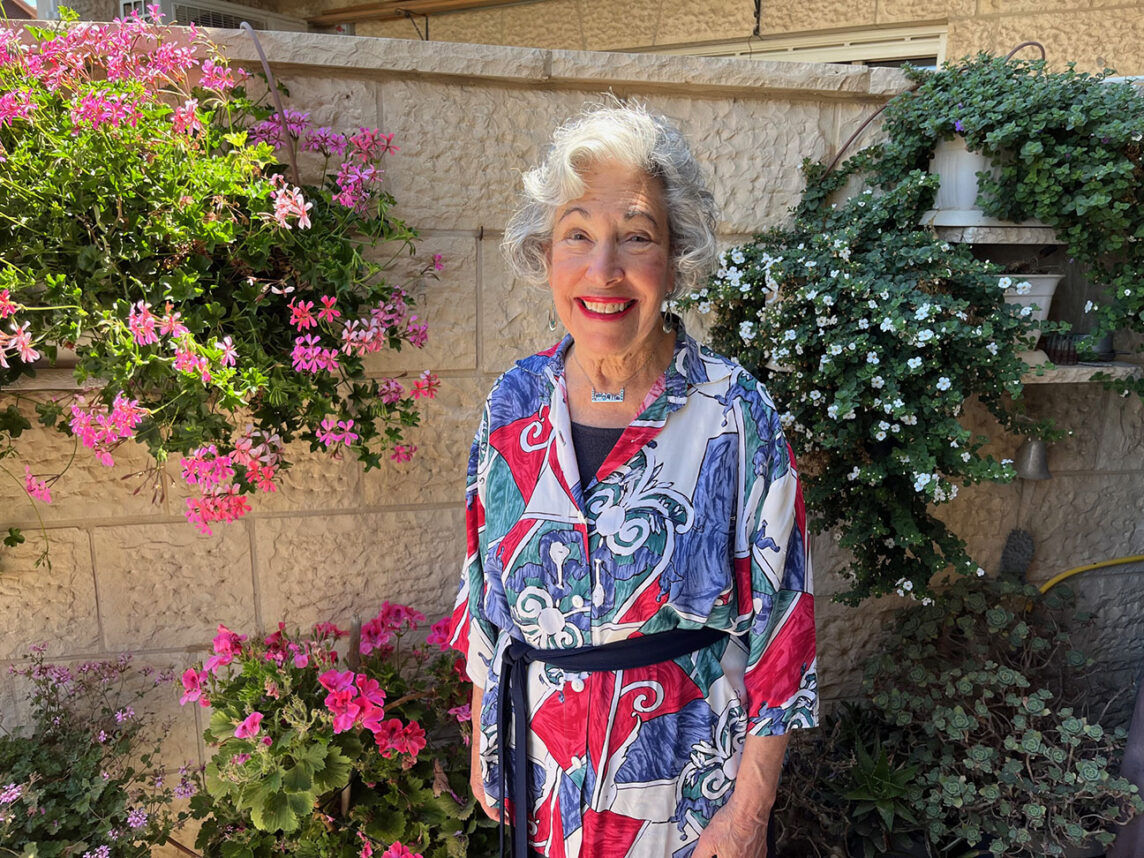
Consider Miriam Givon, 80, who has been selling sundries at Kolbo Yehezkel, at the north end of Ibn Gabirol Street, since she and her husband established the shop in the mid-1950s.
“The old-time customers have died and their children have grown and moved away, but you can still find Miriam behind the same wooden counter,” according to Haim. “She remembers the thousands of inventory items there by heart, along with their prices.”

Yehudit Weider has been manufacturing and selling thermoses for decades on HaAliya Street.
In some ways, Haim said, his project is a race against time. Progress moves on. New challenges present themselves. Businesses disappear.
“One thing I heard from the rebels — and I also heard it from Yehudit Weider, who has been manufacturing and selling thermoses for decades on HaAliya Street in Tel Aviv — is that cheap Chinese goods have ruined them but that they, innocent and naive, keep on trying to fight this dragon from the East, even though the end result is pretty clear to them, too.”
Maybe these aging entrepreneurs keep at it because they put everything they have into their work. As an example, Haim pointed to a woman who arrives by bus every morning to open her delicatessen.
“What troubles her most is that people walk by, look in, see an old place and don’t come in,” he said. “They don’t know that she puts her heart and soul into every sandwich, along with her perennial smile.”
Haim, whose work can be viewed at his blog, hamordim.wordpress.com, is working on a book that will include all of his rebels, many of whom are children who grew up in their parents’ business. Now they — including one particular tailor from the old Central Bus Station area in Tel Aviv — face a changing world.
“In his day, the buses would let off tens of thousands of passengers a day and work was endless. But ever since the bus station moved, the streets have emptied somewhat,” Haim said. “But [the tailor] wakes with a smile every day and comes to work … and it’s a great pleasure to talk to people like this and see people whose goal isn’t to be rich but who simply enjoy what they do.”

Miriam Givon, 80, owner of Kolbo Yehezkel, which she and her husband established in the mid-1950s at the north end of Ibn Gabirol Street in Tel Aviv. Photo by Assi Haim
Still, why call them rebels?
“People ask me why I called them ‘rebels’ and not ‘survivors’ because after all, these are people who are just getting by. But I identified something within them that was more active, a kind of rebellion against a system that demands fast changes, aggressive marketing, modern decor and interior design. And their opposition, their going against the grain, is in the end something subversive, I think,” Haim said.
“Their biggest rebellion is actually against old age, and every conversation brings up the fact that they want to remain productive … and I think they’re aware — at least the elderly amongst them — that closing shop will mean their own end is near.
“And I feel that’s my role: to document them and give them the respect through both the photographs and the text I write in the blog.”