The US
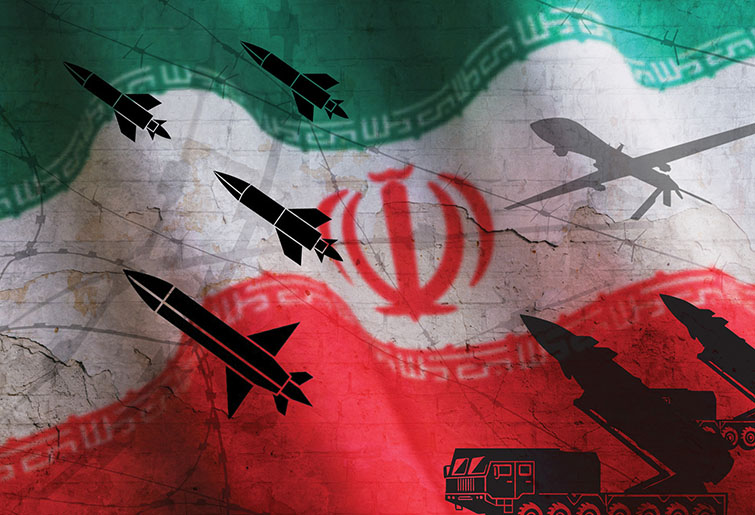
Headline: Iran emerging as victor in Syrian conflict
To Read: History Professor Joseph Loconte believes that when it comes to Egypt the US' words are no match for its actions-
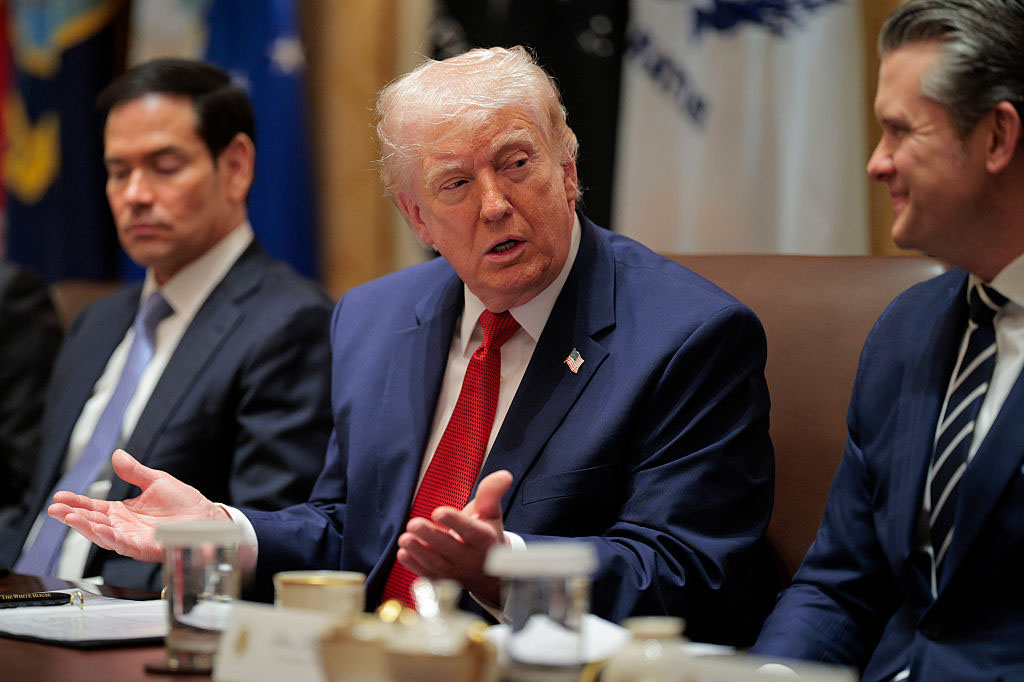
Secretary of State John Kerry said last week that the United States was “deeply concerned” by the guilty verdicts in Egypt. “This decision runs contrary to the universal principle of freedom of association,” Kerry said, “and is incompatible with the transition to democracy.” That gets it exactly right.
The problem, though, is that declarations of disapproval from the Obama administration are not translating into action. There was no hint in Kerry's statement of any diplomatic consequences to Morsi's crackdown. There was no warning about Morsi's proposed law to tighten state control over all NGO activities. There will be no interruption in the $1.3 billion in U.S. military aid to Egypt or the $250 million in U.S. economic aid. The “universal principle” of freedom association is headed for the shredder in Egypt, and it is business as usual.
Quote: “We will continue to use all the tools at our disposal to disrupt Hezbollah's global support network and terrorist operations. We will also continue to undermine Iran's financial lifeline to Hezbollah and the Assad regime as they work in tandem to carry out a brutal campaign of repression against the people of Syria”, David Cohen, U.S. Treasury undersecretary for terrorism and financial intelligence, announcing sanctions on four Lebanese citizens who are accused of aiding Hezbollah.
Number: 15, the percentage of Americans who favor US military action in Syria according to a new NBC/WSJ poll.
Israel
Headline: IDF: 20% more West Bank terror act charges in 2012
To Read: Peter Berkowitz criticizes the “brave” oversimplification of the Israel-Palestine question in American academia-
In other words, in evaluating the significance of Mearsheimer and Walt’s book, never mind that criticism of Israel—harsh, uncompromising criticism of Israel—is a staple of intellectual life in America, particularly in our universities, which reproduce the next generation’s conventional wisdom. It’s enough to be suspicious when intellectuals publicly trumpet their own courage. Like politicians, intellectuals are particularly inclined to confuse hard-hitting criticism—the lifeblood of public debate in a liberal democracy—with an effort to silence their opinions.
Quote: “Netanyahu did not go over the text of the statement. It was written by junior-level officials in the National Security Council”, an aide to PM Netanyahu discrediting a dramatic statement descrying Israeli unilateral action and praising John Kerry.
Number: 47, the percentage of Israelis who believe that homosexuality should not be accepted.
The Middle East
Headline: Syria rebels 'kill Shia residents of eastern village'
To Read: Marc Lynch and Shibley Tehami discuss the rising importance of public opinion in the Arab world-
The Arab uprisings have simultaneously made regional public opinion both more important politically and far less predictable. The uprisings shattered the false confidence that authoritarian regimes could simply ignore, manipulate, or crush inconvenient public attitudes. But it is less obvious what follows. The Arab uprisings might make governments more responsive to public opinion on foreign-policy issues, but the lesson of Mohamed Morsy's continued adherence to the Camp David treaty with Israel and the blockade of Gaza suggest that uncertain regimes might be even keener to continue domestically unpopular policies in order to maintain international support during difficult internal political struggles.
Quote: “I will vote for Dr Rouhani, who entered the race after consulting me. I consider him to be more suitable (than other candidates) to steer the executive branch”, former (relatively) moderate Iranian President Akbar Hashemi Rafsanjani backing Hassan Rouhani in the Iranian elections which is to be held on Friday.
Number: 78, the number of cities in which Turkish protests have spread.
The Jewish World
Headline: UN investigator Falk says he won’t step down over remarks
To Read: Simcha Weinstein takes a look at the story of the two young Jews who created Superman (or is it supermensch?) and at the similarity between Superman and another Jewish 'super-hero'-
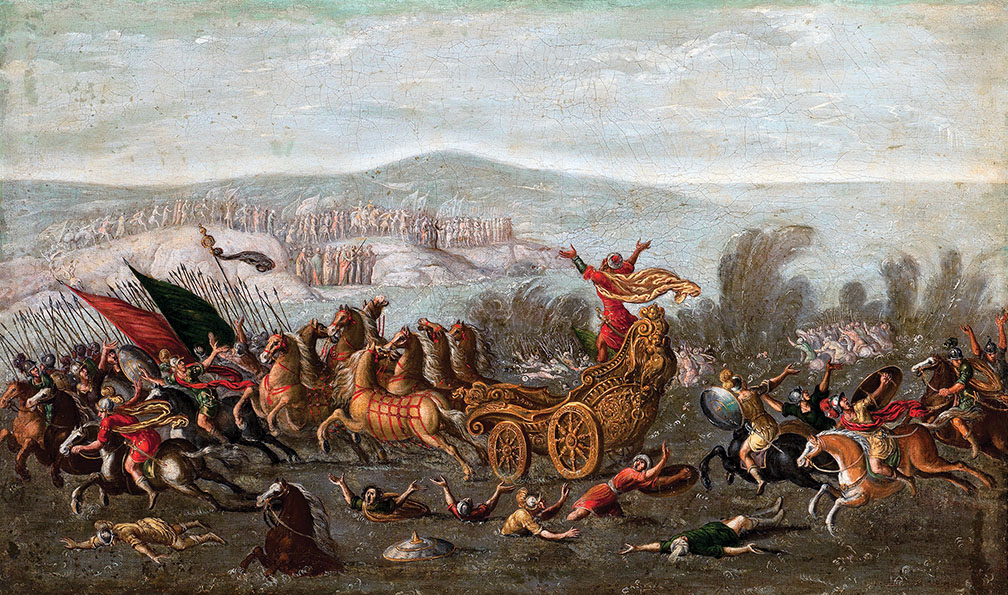
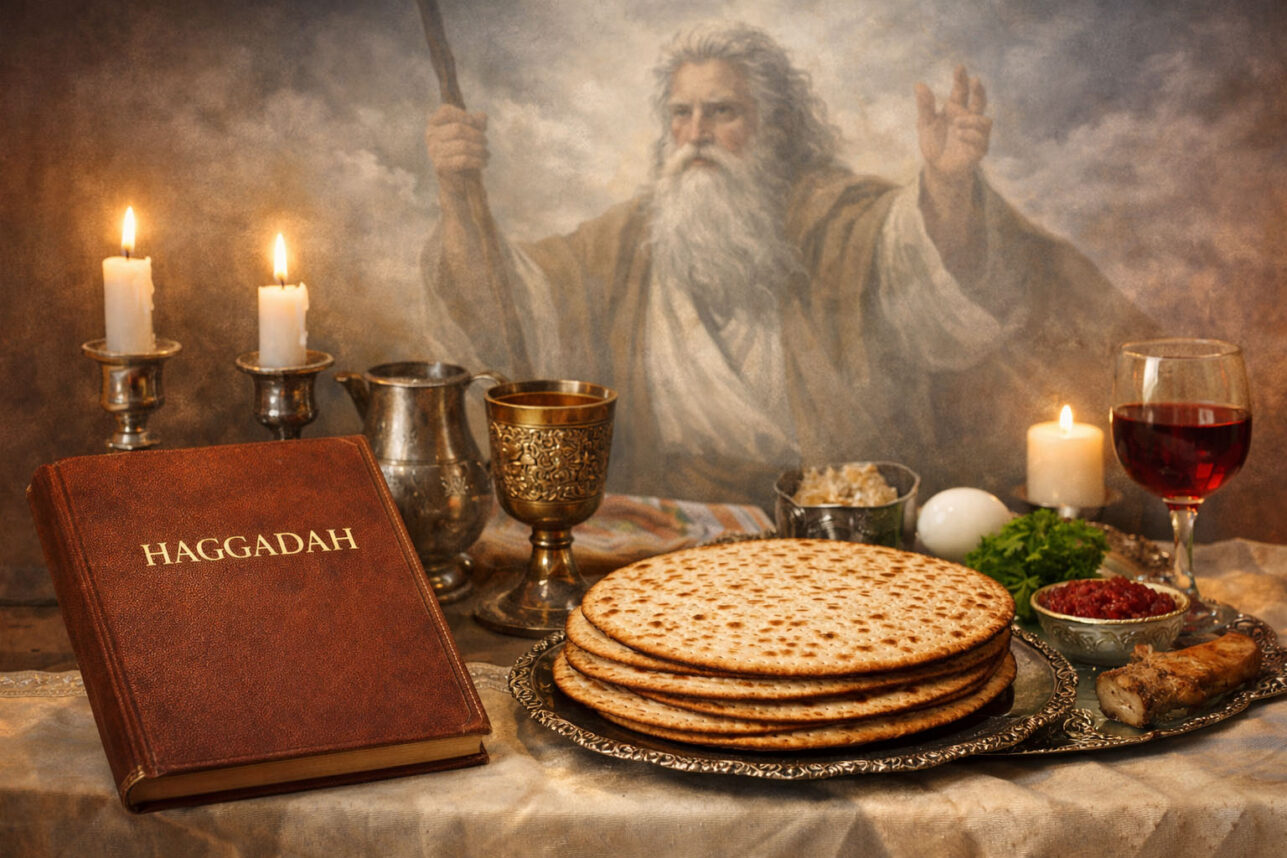
Like the biblical Moses, Superman is discovered and raised in a foreign culture. Baby Moses is found by Batya, the daughter of Pharaoh, and raised in the royal palace. Superman is found by Jonathan and Martha Kent in a Midwestern cornfield and given the name Clark. From the onset, both Batya and the Kent’s realize that these foundling boys are extraordinary. Superman leads a double life as the stuttering, spectacle-wearing reporter whose true identity no one suspects. In the same way, for his own safety, Moses kept his Israelite roots hidden for a time.
Quote: “The issue of women’s rabbinic leadership, regardless of title, is not primarily a debate over Jewish law, but over the power to define and control the franchise of ‘Orthodox Judaism'. This explains why none of the Orthodox organizations have challenged the maharats at the level of their competency, or attempted to compare their competency to graduates from comparable institutions”, Rabbi Josh Yuter responding to the ordination of three new female Orthodox clergy women.
Number: 73,000, the declining number of Jews in South Africa.