We love and cherish our freedom because we’re supposed to love and cherish our freedom.
After all, what greater blessing is there in life than our precious freedom — than being able to speak and think and do as we wish whenever we wish?
Freedom is what oppressed people around the world dream about when they yearn to come to America.
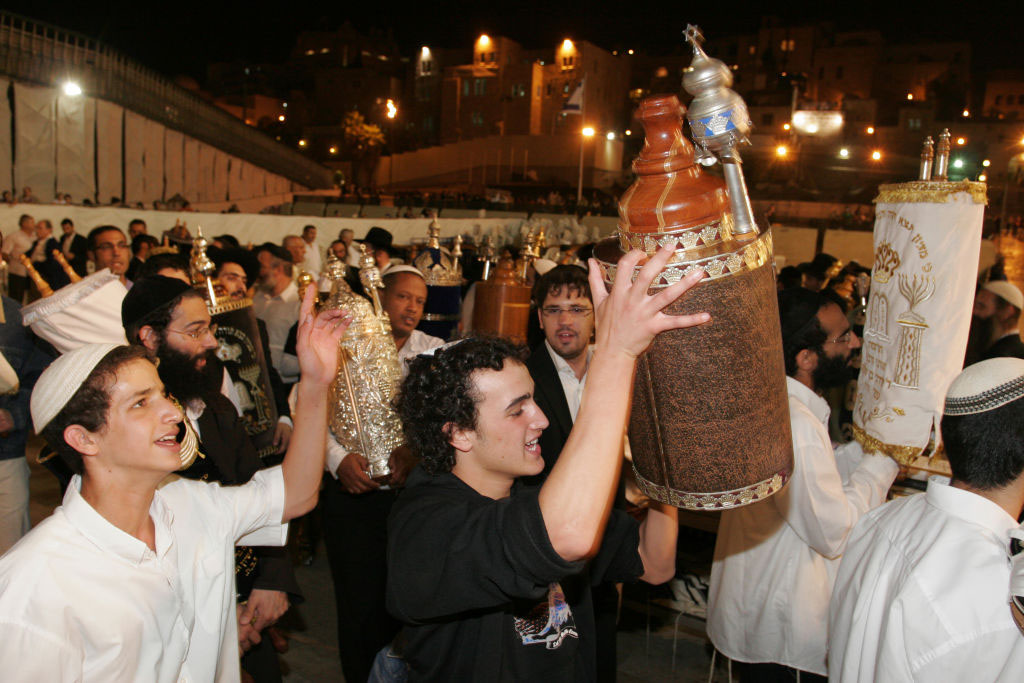
It’s also the main theme of our Passover seders, when we recall the inhumanity of slavery and, more importantly, the Jews’ miraculous liberation from that slavery.
We’re not supposed to get too excited, however, because right after that liberation, there was hardly any time to celebrate or plan trips to Club Med. Instead, the newly-freed Jews headed right for the wilderness, for the arduous 40-year trek through a foreboding desert.
Because we know that this trek eventually leads to the Divine revelation at Sinai, it’s easy to look back and say, “It was all worth it.”
But in our everyday lives, when we’re mired in the struggles and pains of the moment, we’re never sure if anything is worth it. We’re not thinking of the value of freedom. We’re too caught up with life.
Indeed it rarely dawns on us that our daily blessing of freedom can silently turn into a curse, without us noticing.
We’ve heard the idea that “with freedom comes responsibility.” Countless commentaries through the centuries have extolled the ethical boundaries that define the healthy Jewish view of freedom. We all know how true that is.
But I’m talking here about something more personal.
I’m talking about the intersection between freedom and loneliness, between freedom and emptiness, between freedom and unhappiness.
A million things enter our lives with the power to darken our moods, make us heavy with sadness or fire us with anger.
How easy it is to slide down freedom’s emotional slope.
How easy it is to forget that the freedom to do as we wish includes the freedom to hurt as we wish, to self-destruct as we wish, to choose a road that will bring us not purpose but emptiness.
Freedom is our best friend, until it becomes our worst enemy.
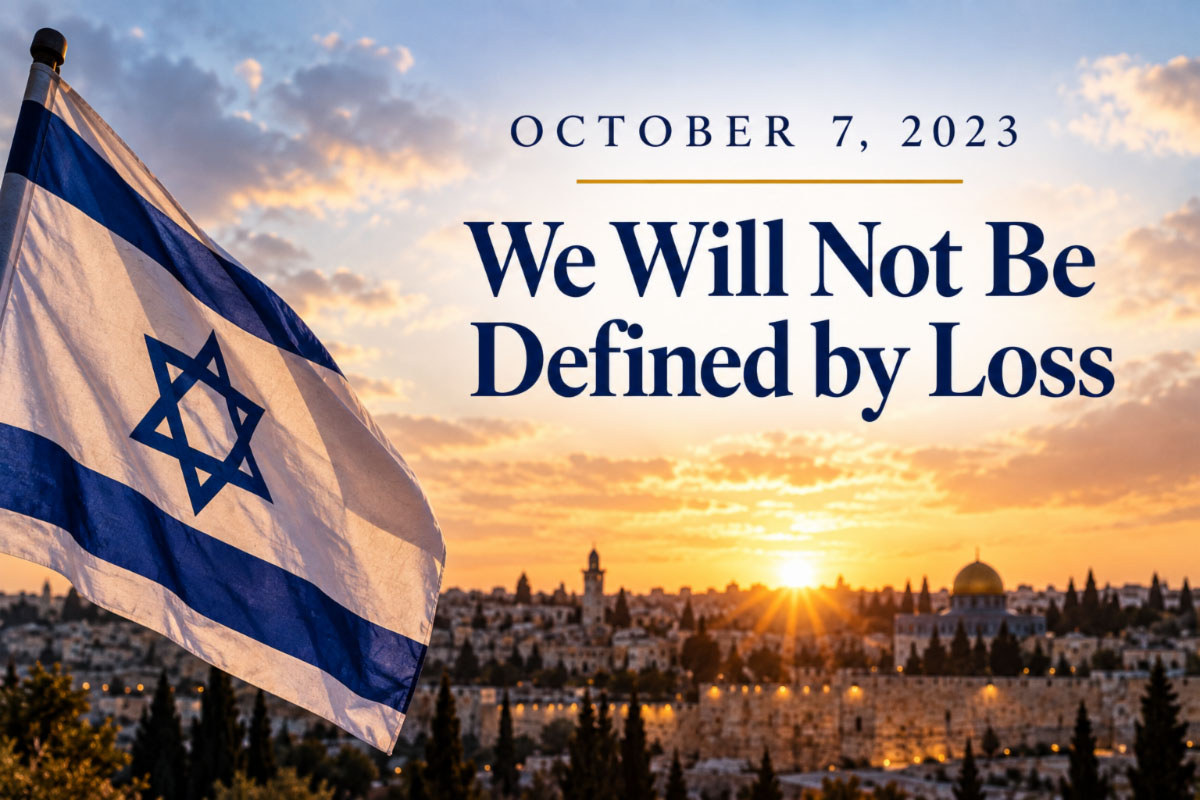
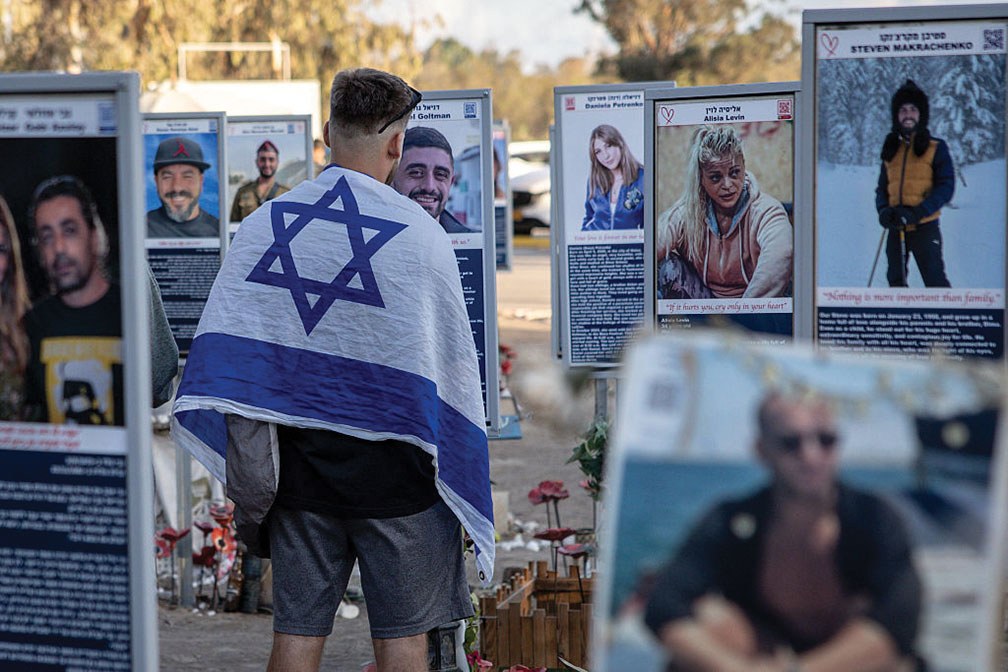
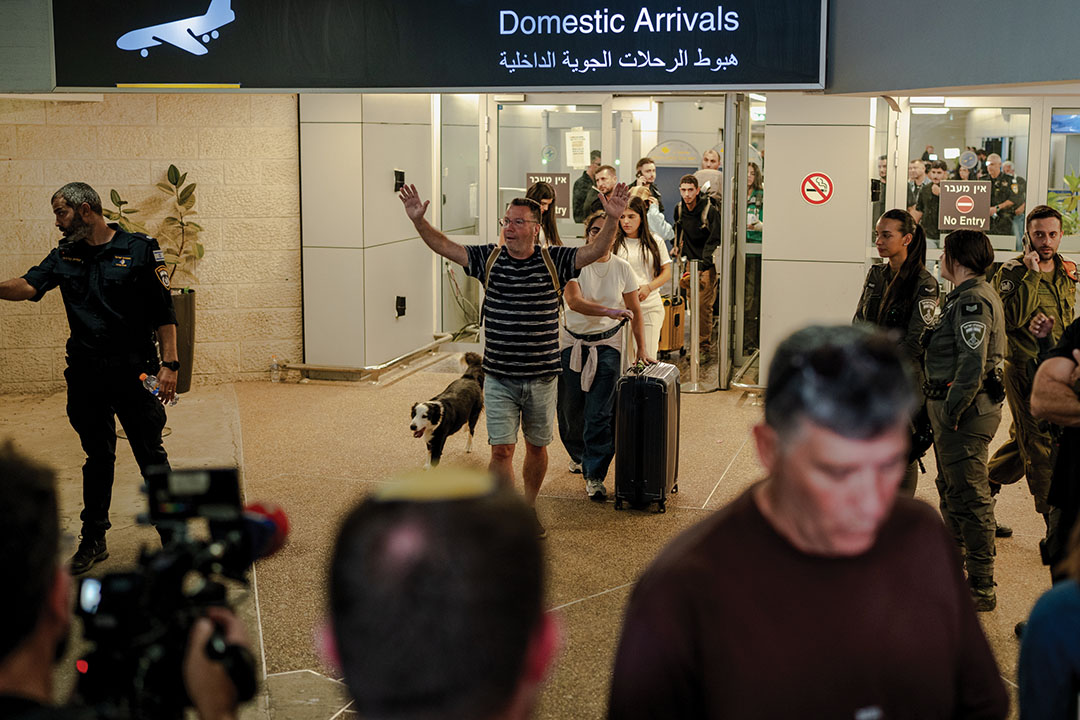
I can’t help thinking of my friends and relatives in Israel, who have their freedom continually restricted by the winds of war; whose daily routines now include the rush to bomb shelters.
Somehow, at their most precarious state, Israelis find other freedoms to cherish. In bomb shelters, many have found the freedom to sing and play music. A whole music scene has sprouted in these shelters.
Perhaps it’s no coincidence that in the latest World Happiness Ranking, Israel ranks eighth out of 147 countries, happier than the United States, France, Spain, Canada, England, Brazil, Germany and many others.
How does one explain that a country under siege, facing an ongoing existential crisis, can find its way to happiness?
The usual explanations are accurate — resilience and an intense love of life. But in the spirit of Passover, I’d like to add an intimate connection to freedom — to knowing how to use that most precious of gifts.
Maybe because the emotional toll of war always hovers over Israeli life, Israelis know better than most what to do with their freedom.
Mariano Rojas, one of the authors of the Happiness survey, notes that Israel ranks among the happiest countries because of “strong family ties and a shared sense of purpose to survive as a people.”
All too often, especially here in America, we overdose on freedom because there’s so much of it. We lose the ability to savor it, to use it judiciously to elevate our lives.
Passover gives us a chance to unpack freedom, to see its many sides, to ask the right questions.
How do we use our freedom to become better Jews, better humans, better friends, better parents, better children, better spouses, better neighbors?
How do we turn freedom into a blessing?
Let that be one of the questions we ponder during our holiday of freedom.
Happy Passover.