Repair the World’s MLK Weekend of Service activated Jewish communities through service and learning programs designed to honor Martin Luther King Jr.’s legacy, highlight Jewish perspectives on justice and equality, build bridges between Jewish and Black communities, and deepen our understanding of how Jewish values intersect with civil rights.
MLK Weekend of Service is one of three annual National Days of Jewish Service (NDJS) activations powered by Repair the World, bringing together thousands of volunteers in impactful service and learning that celebrates our shared values while tackling today’s most urgent issues. Centered around key moments in the Jewish calendar, NDJS offers the framework, funding, educational tools, and community-building activities to inspire volunteers in meaningful experiences that strengthen local communities and foster global Jewish unity.
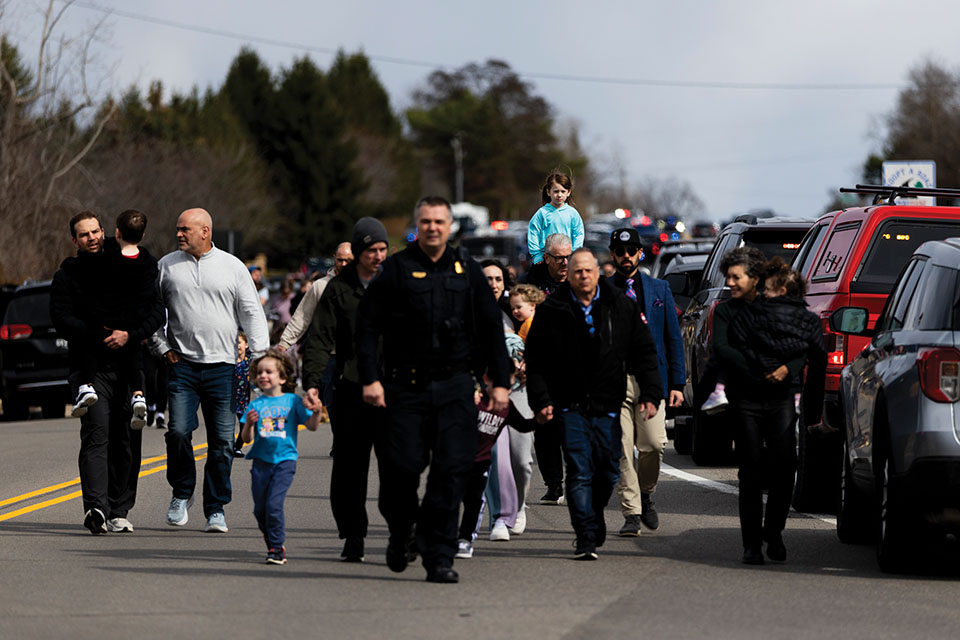
The Weekend of Service included more than 100 programs in over 40 cities across 15 states, with over 63 Jewish communal partners microgranted. More than 18,000 volunteers engaged in the Weekend of Service.
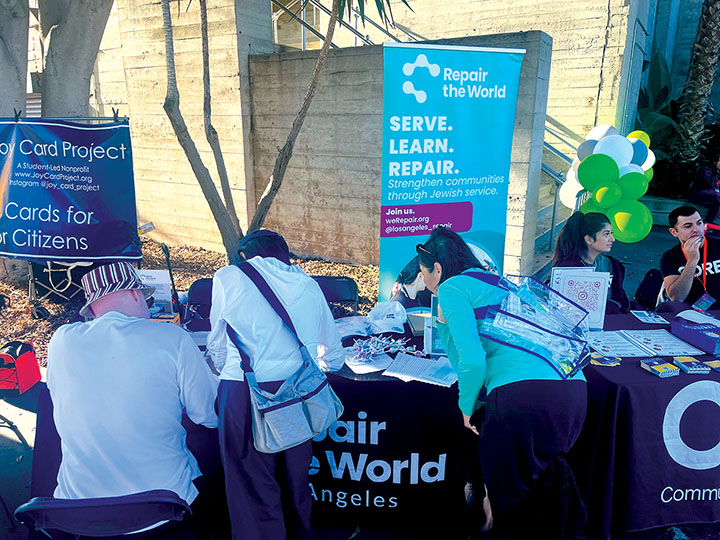
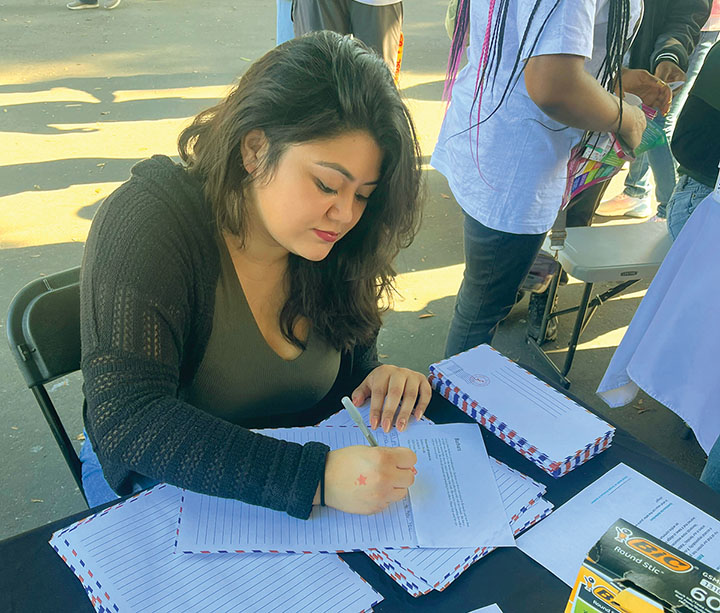
In Los Angeles, Repair the World partnered with LA Works for their annual MLK Day at the Coliseum, where hundreds of Angelenos came together to honor King’s legacy in community with one another. More than 70 volunteers joined Repair’s service opportunity to address isolation in senior communities through writing handwritten letters. The volunteers engaged in meaningful learning and wrote letters to distribute through Love For Our Elders, a local service partner.
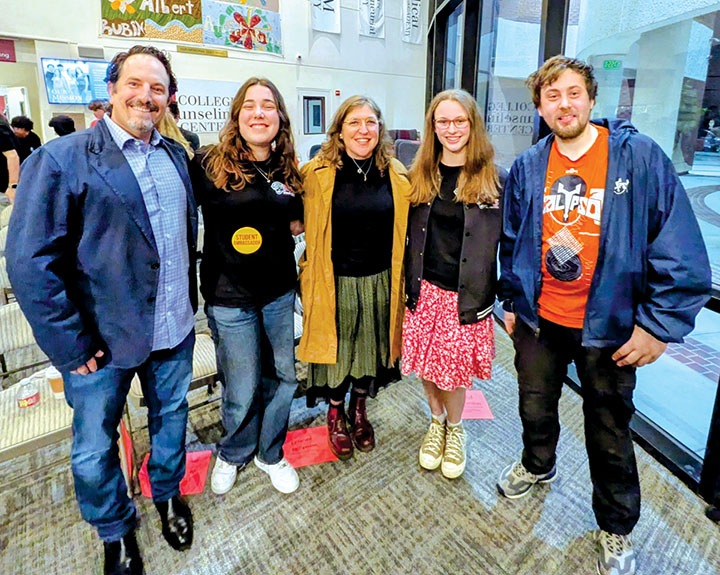
Actress, author and neuroscientist Mayim Bialik traded the soundstage for the science lab on Jan. 22 when she shared her personal story at de Toledo High School STEM Night. Bialik was welcomed with over 250 guests including current and prospective students and parents.
In addition to her extensive entertainment career, Bialik earned a PhD in neuroscience from UCLA, and shared her scientific experience with de Toledo students.
This event introduced teens interested in STEM fields to the wealth of academic, lab, research, internship, and international study opportunities at de Toledo school’s highly innovative Science Department.
De Toledo High School is a Jewish day school in West Hills. The school serves grades 9-12.
Courtesy of Buchdahl
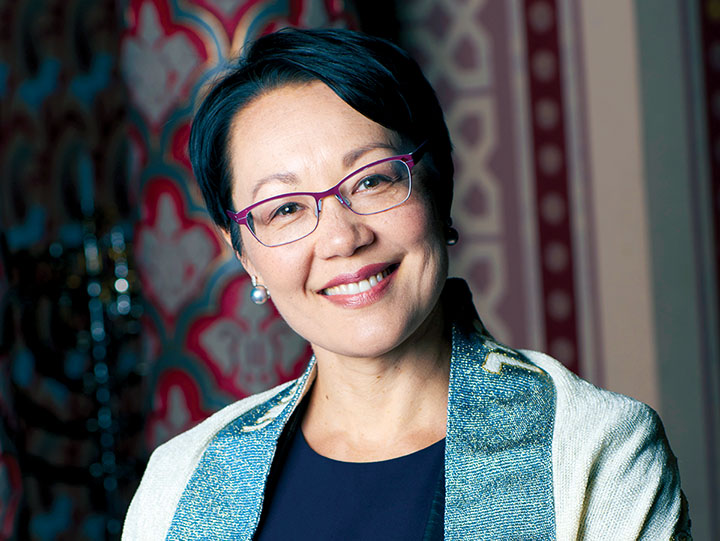
Rabbi Angela Buchdahl, senior rabbi of New York’s Central Synagogue, arrived in Los Angeles last month for a multiday speaking tour that included appearances at Sinai Temple Dec. 4; Wilshire Boulevard Temple, Dec. 5; and IKAR, on Dec. 6.
At 53, Buchdahl has spent nearly two decades leading one of the nation’s largest Reform congregations, all while navigating the complexities of being the first Asian-American rabbi in North America—a journey she explores in her new memoir, “Heart of a Stranger: An Unlikely Rabbi’s Story of Faith, Identity, and Belonging.”
Born in South Korea to a Jewish American father and a Korean Buddhist mother, Buchdah writes candidly about growing up “outside of every community I was a part of,” and the radical compassion that ultimately shaped her rabbinate. Her career has spanned the White House Hanukkah lighting – “something the founding fathers never could have imagined,” she quipped, standing alongside then-U.S. President Barack Obama – to the recent political flashpoints that have tested her community’s expectations of moral leadership, including the election of New York City Mayor Zohran Mamdani, who has repeatedly expressed anti-Israel rhetoric.
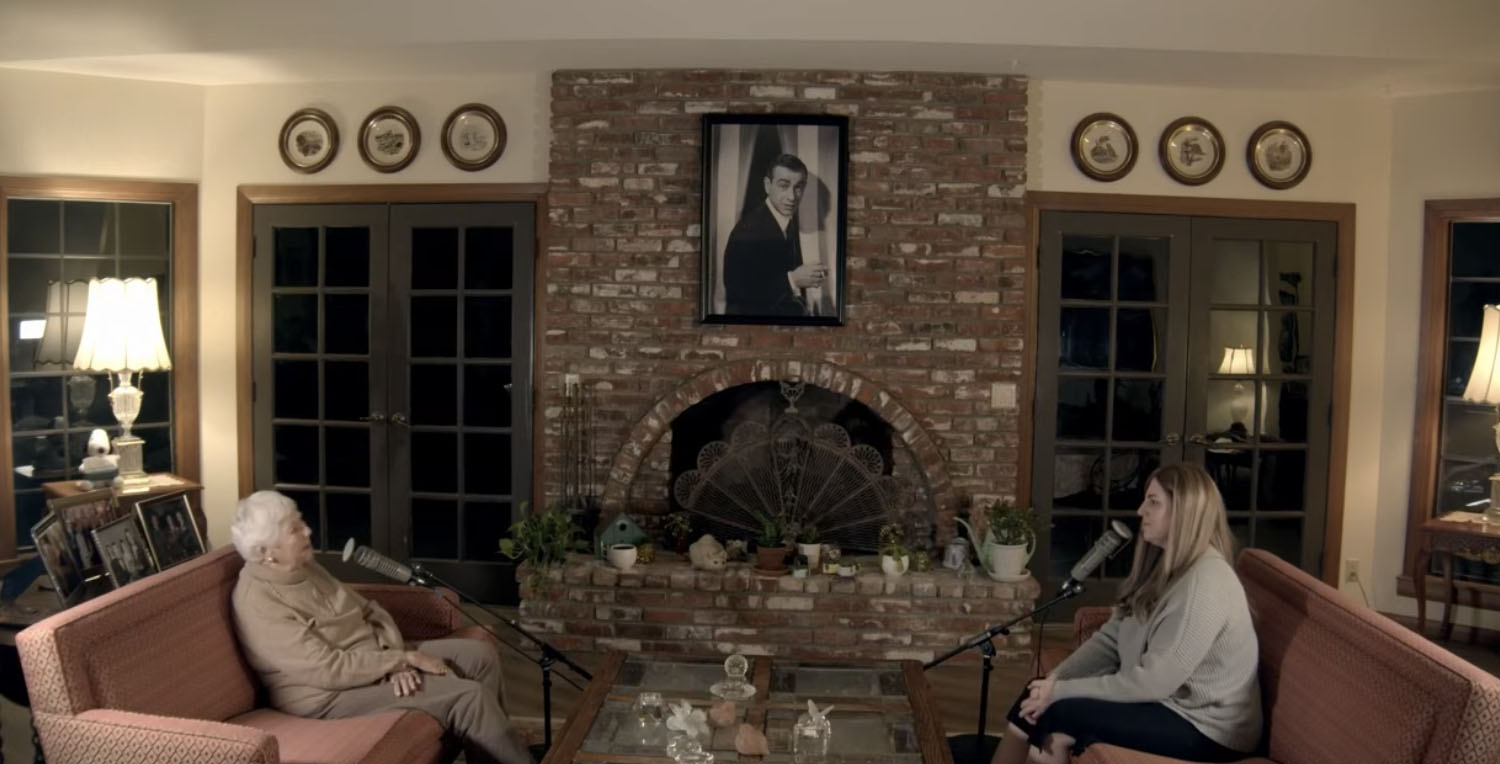
Before she appeared in-person before L.A. audiences, Buchdahl spoke to the Journal about her new book, which wrestles with questions of identity, responsibility and the spiritual work of belonging.
“I started this writing project with the goal of making the Jewish wisdom tradition accessible for all people, to be a crossover spirituality book… I was aware that I was not just writing my own story, but my family’s story and the story of people close to me, and I took that as a sacred responsibility,’ she said.
Asked what she sees as the Jewish community’s biggest spiritual or communal challenge right now, she spoke about the rise of antisemitism in the aftermath of Oct. 7.
“I think the Jewish community feels more misunderstood and fearful than I have ever experienced in my lifetime. The rise in antisemitism, the normalization of demonizing rhetoric against the State of Israel—not just criticism of the Israeli government or the war—and the fissures we are feeling within the community are real threats,” Buchdahl said. “I think we need to recognize where the real dangers are and come together as a community to address them.”