Tidying Up to Spark Joy
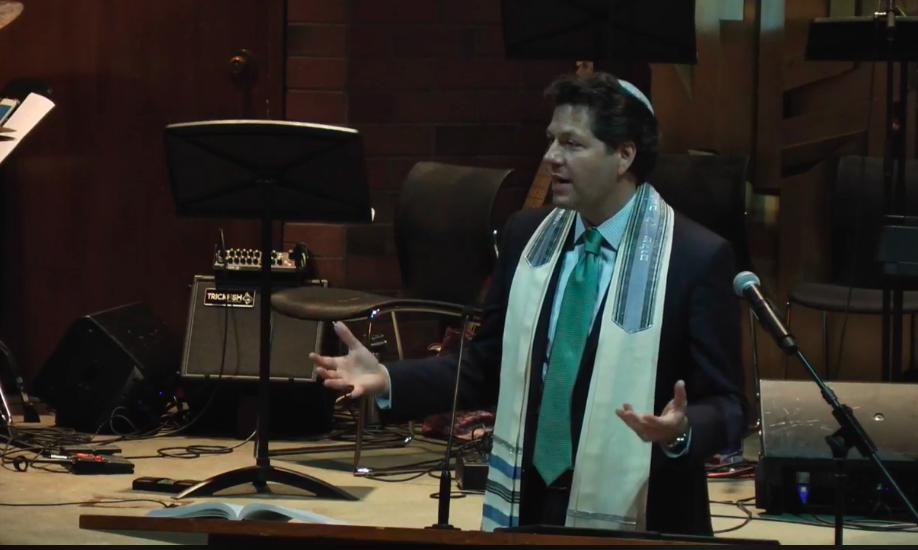
by Rabbi Yoshi Zweiback from Stephen Wise Temple
The LORD spoke to Moses, saying: Tell the Israelite people to bring Me gifts; you shall accept gifts for Me from every person whose heart so moves him. (Exodus 25:1-2)
לֵּאמֹֽר: אֶל־מֹשֶׁ֥ה יְהוָ֖ה וַיְדַבֵּ֥ר
יִדְּבֶ֣נּוּ לִבּ֔וֹ תִּקְח֖וּ אֶת־תְּרוּמָתִֽי׃
כָּל־אִישׁ֙ אֲשֶׁ֣ר מֵאֵ֤ת תְּרוּמָ֑ה׃
When I was a kid, tidying up was definitely not something I looked forward to.
Now it’s officially a craze.
Marie Kondo’s show, “Tidying Up,” is a big hit on Netflix. It’s based on her book, The Life Changing Magic of Tidying Up, which has sold millions of copies and has been translated to 30 languages.
Sermon from Soulful Shabbat at Stephen Wise Temple February 8, 2019
Here’s how Kondo describes the way it all started:
“I was obsessed with what I could throw away. One day, I had a kind of nervous breakdown and fainted. I was unconscious for two hours. When I came to, I heard a mysterious voice, like some god of tidying telling me to look at my things more closely. And I realised my mistake: I was only looking for things to throw out. What I should be doing is finding the things I want to keep. Identifying the things that make you happy: that is the work of tidying.”
The basic idea is to go through your belongings, keeping only those things that “make your heart flutter” or “spark joy” in you.
I was thinking about this “tidying up” phenomenon as I read the opening verses of last week’s Torah portion.
Our ancestors are asked to bring donations for the construction of the Tabernacle.
All sorts of objects are mentioned – gold and silver and bronze; linen and ram skins; acacia wood; pure oil for the menorah; aromatic incense; precious stones. All for the purpose of constructing a Tabernacle so that, as our Torah puts it, we might be closer to God.
It’s an inversion. We are asked to take objects that most probably make OUR hearts flutter and we give them away for a higher purpose.
Here’s the insight from our tradition: the focus is on “sparking joy,” as it were, in God’s heart, in the hearts of members of our community.
I’m not suggesting that what God wants above all else is for us to build edifices in God’s honor. I don’t believe that God would very much care about that sort of stuff.
But the notion that we should devote our time, our talent, and our treasure to behaving in ways that would bring God joy and satisfaction – I like that idea very much.
Indeed – that idea makes my heart flutter.
Let’s ask ourselves – just as a thought experiment – what we could do to spark joy in God and in those around us. I bet we would be kinder, gentler, more loving and more generous people. I imagine we would fight harder for justice. I’m sure we would be better people as a result.
It’s not that our joy is unimportant. It’s the idea that the well-being and satisfaction of others should matter, too.
And it’s a core Jewish value. It’s the way the Rambam understands the very central teaching of our tradition, what Rabbi Akiva called the great principle of Torah:
“Love your neighbor as yourself.”
What I want for myself – that is, what makes my heart flutter – I work to provide for the other.
This way of thinking, this way of living will make hearts flutter. It will spark joy in others, in ourselves, and maybe even in God.
It’s the kind of tidying up to which we should commit ourselves.