By Nicole Goodman
I’m currently taking a class on media, gender, and race and this week I was involved in a controversial topic we were discussing. Our focus for the past few classes has been on Native Americans and how the media has portrayed them throughout history. On Tuesday, we focused on the argument for and against Native American sport mascots. Current teams include the Cleveland Indians, The Washington Redskins, Kansas City Chiefs, etc. These franchises portray their mascots with head dresses, face paint, drums, and other stereotyped fashion. There is no doubt that their image of Native Americans is inaccurate and offensive but countless schools and teams nonetheless continue to follow this trend. In class I raised the argument along the lines that the situation is only racist if you make it racist, going on about how all teams over exaggerate mascots to pump up fans and market their franchise. I also went on to say that, although I believe it is offensive and wrong, why do we go after sports teams to fix the problem and not go after the real source, Hollywood. After being antagonized by a few of my classmates over my opinion, I became heated and more curious about the argument.
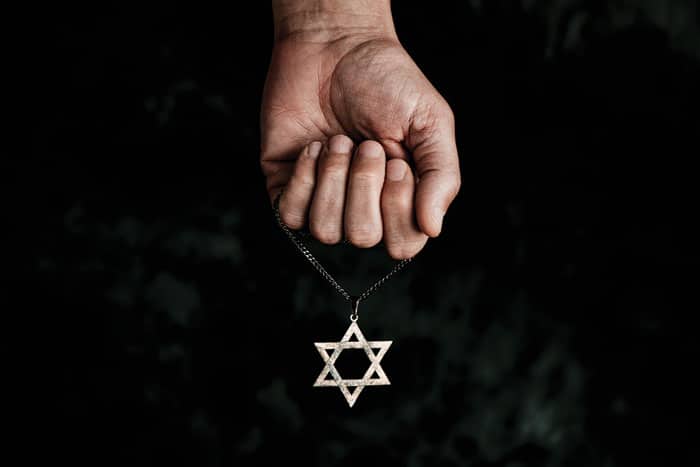
I came into work this morning discussing what happened with a few of my colleagues and came to an interesting self-realization. One of the spiritual advisors here at Beit T’Shuvah was explaining the situation to me in a way I could personally relate. He asked what if there was a Jewish mascot, something along the lines of let’s say, The Houston Hasidim. To that I responded that I would be honored as a Jew, and in fact would love to be on the team! Then he asked what if the team was The Houston Hooknoses? To that I was personally offended. He then went on to explain how that is the same situation with the Redskins or Indians. So I wasn’t offended by the Hasidim idea but then very frustrated with the Hooknose idea. So where do we draw the line between honorable and offensive? Some schools and teams have already made the effort to ban certain stereotype outfits such as helmets or feathers. But how do we ultimately fix the situation? My idea of just going through Hollywood and the media to fix it will not do the job. He explained to me that just like most things in life it’s not just going after Hollywood and not just going after sport teams but it is a both/and.