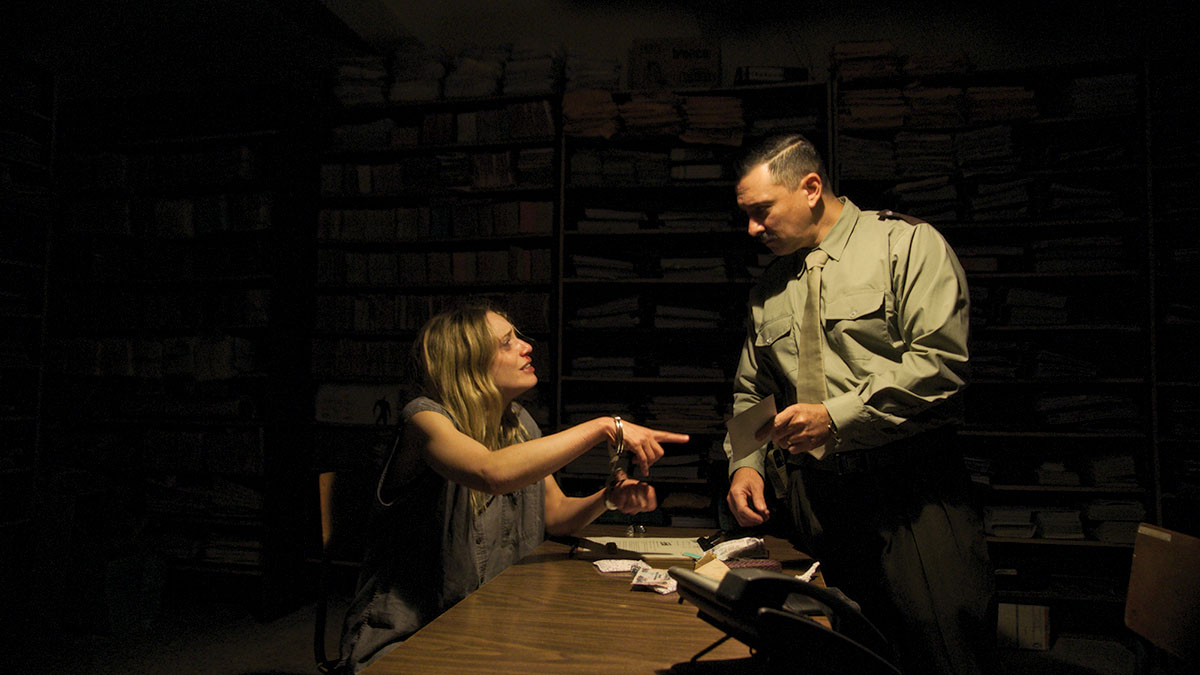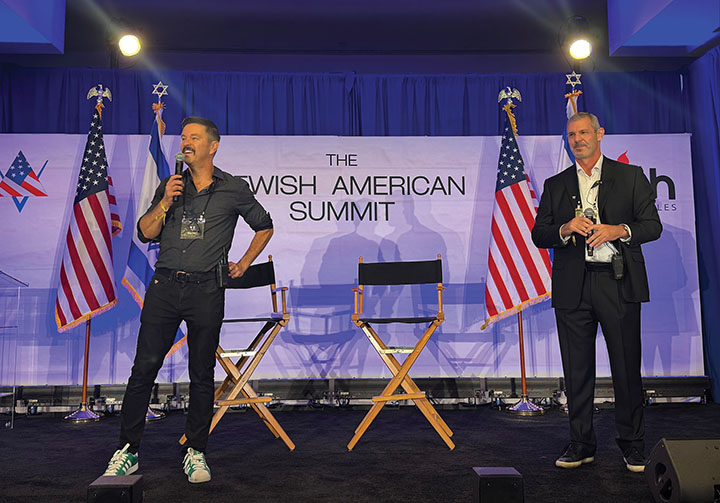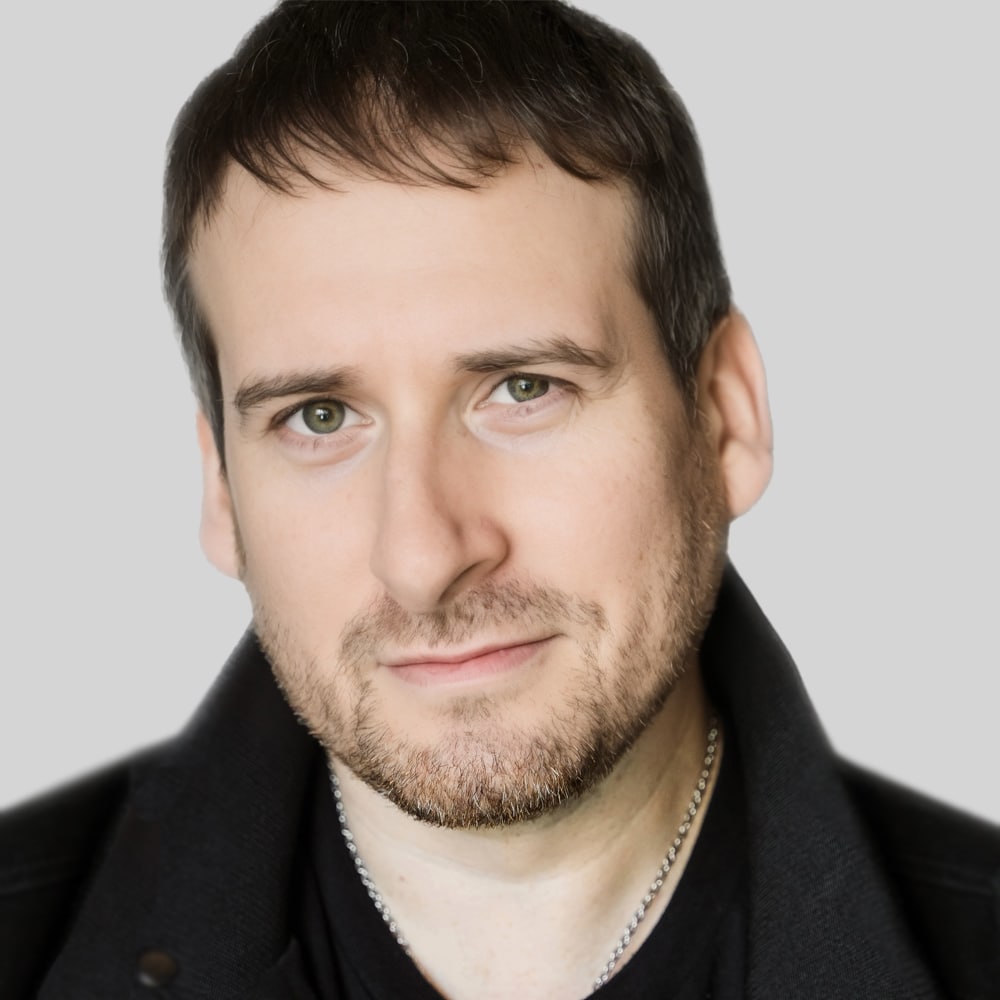
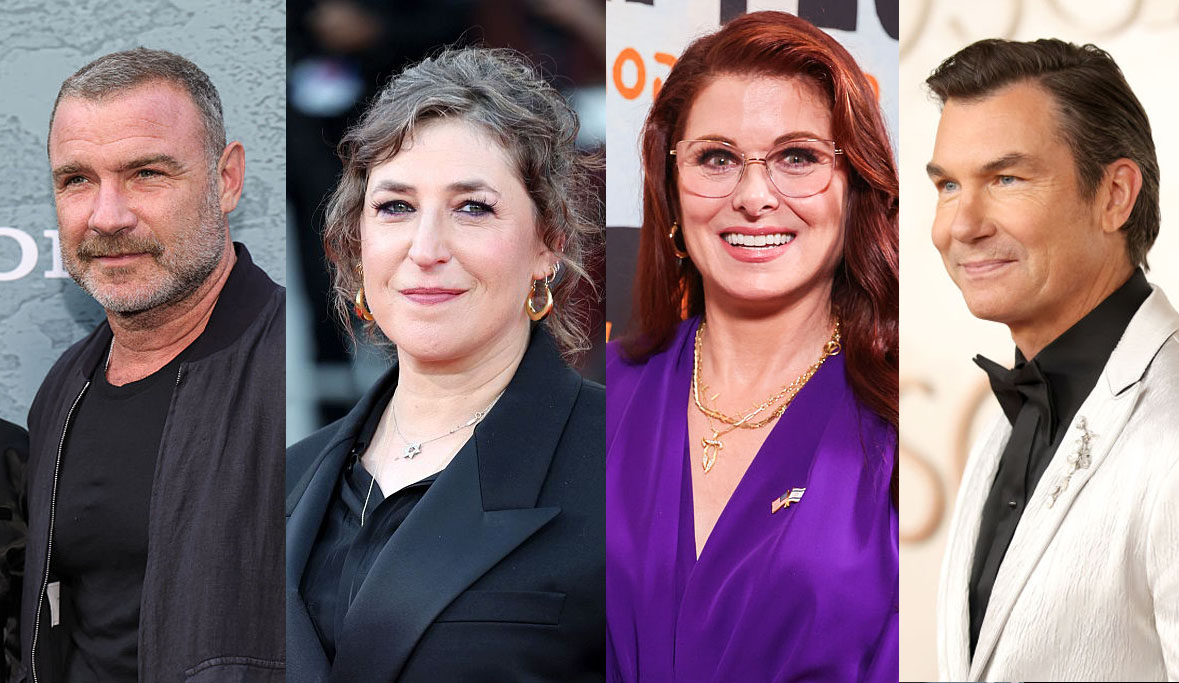
Actors Liev Schreiber, Mayim Bialik, Debra Messing, Jennifer Jason Leigh, Jerry O’Connell, Anthony Edwards and over 1,200 more entertainment figures signed an open letter opposing efforts to boycott Israeli film institutions. More than 1,200 names from across the entertainment industry signed on to the Sept. 25 letter.
The open letter was circulated by Creative Community for Peace (CCFP) in response to a pledge from many prominent actors, musicians and entertainment executives under the banner of “Film Workers for Palestine” (FWFP). Their letter that calls on artists to cut ties with Israeli film and television companies, productions, festivals, and institutions. Organizers of the boycott say it is meant to hold Israel accountable. The number of people who signed FWFP pledge has grown from 1,300 to over 5,000 signatures since it was released on Sept. 8.
CCFP describes itself as a nonprofit of entertainment professionals working to build bridges through the arts, raise awareness about antisemitism in the industry, and oppose cultural boycotts of Israel. Its Anti-Boycott petition has drawn more than 47,000 signatures.
CCFP’s origins took shape in 2011 when David Renzer, then chairman and CEO of Universal Music Group, was in Tel Aviv for a recording session as artists including Elvis Costello began canceling Israel shows. Around the same time, Pink Floyd’s Roger Waters published an op-ed in The Guardian calling for a cultural boycott. By 2012, Renzer and Steve Schnur, president of Music for Electronic Arts, founded CCFP precisely for moments like these.
The list of supporters of the Sept. 25 CCFP letter also includes musicians Gene Simmons, Matisyahu, the lead singer of Disturbed, David Draiman, and Regina Spektor also signed on. Former Paramount chief Sherry Lansing, Saban Entertainment founder Haim Saban, Mattel CEO Ynon Kreiz, and Universal Music Enterprises President Bruce Resnikoff also added their names.
On Sept. 12, Paramount Studios went on record opposing the FWFP boycott pledge, stating, “we need more engagement, not less.” On Aug. 12, the Toronto International Film Festival canceled a screening of the Israeli documentary, “The Road Between Us: The Ultimate Rescue” after boycott pressure; after a public outcry, the film was then reinstated two days later. The film won the festival’s People’s Choice Award. And in Israel, “The Sea,” a feature film about a Palestinian boy visiting Tel Aviv for the first time, took home the Ophir Award for Best Feature, even though the Israel Film Fund that backed it was singled out by boycott organizers.
For CCFP, the concern is that what may look like political protest, functions as exclusion.
“While the Boycott, Divestment, and Sanctions (BDS) movement presents itself as a social justice movement to those in the West, it is actually a political movement that seeks the defamation, delegitimization and eventual elimination of the State of Israel,” CCFP Executive Director Ari Ingel said. He called Israel’s film and television sector “a vibrant hub of collaboration between Jewish and Palestinian artists and filmmakers, who work closely together every single day.”
“While the Boycott, Divestment, and Sanctions (BDS) movement presents itself as a social justice movement to those in the West, it is actually a political movement that seeks the defamation, delegitimization and eventual elimination of the State of Israel,” – Ari Ingel
Saban described storytelling as a way to build understanding.
“Excluding Israeli filmmakers because of their identity betrays that mission and undermines efforts for peace,” he said.
Messing was more blunt.
“When artists boycott fellow artists based solely on their country of origin, it is blatant discrimination and a betrayal of our role as storytellers,” Messing said. “History shows us that boycotts against Jews have long been a tool of authoritarian regimes.”
Bialik argued the pledge to not work with Israelis misses the point.
“Boycotting filmmakers, studios, production companies and individuals — simply because they are Israeli — fuels division and contributes to a disturbing culture of marginalization. … This boycott pledge does nothing to end the war in Gaza, bring the hostages home or help curb the alarming rise of antisemitism globally.”
De Mornay said Israel is treated with a different standard than other nations about a “war that it didn’t start.”
She added that “film institutions engage with countries all over the world, including those with serious controversies … Yet Israel alone is singled out and condemned — for defending itself in a war it didn’t start, for trying to free hostages still being held, and for confronting an enemy still intent on its destruction.”
The letter framed the pledge as part of a history of efforts to discriminate against Jewish participation in entertainment and culture.
“History warns us … Censorship has been used to silence filmmakers before: Nazi Germany’s propaganda machine, Soviet censorship, and even Hollywood’s own blacklists. Every time it was dressed up as virtue. And every time it was oppression.”
The statement claims that Israeli institutions are often the “loudest critics” of Israeli government policy and are not afraid to make content that bemoans state actions. Supporters argue that boycotting Israelis would not challenge the Israeli government and will instead stifle dissent.
It concludes with a call to colleagues to resist the boycott push.
“We call on all our colleagues in the entertainment industry to reject this discriminatory and antisemitic boycott call that only adds another roadblock on the path to peace.”
On Oct. 19, CCFP will be hosting their seventh-annual Ambassadors of Peace gala, where they will be honoring five individuals for their outspoken support, including actor Jerry O’Connell and Universal Music Enterprises President and CEO Bruce Resnikoff.