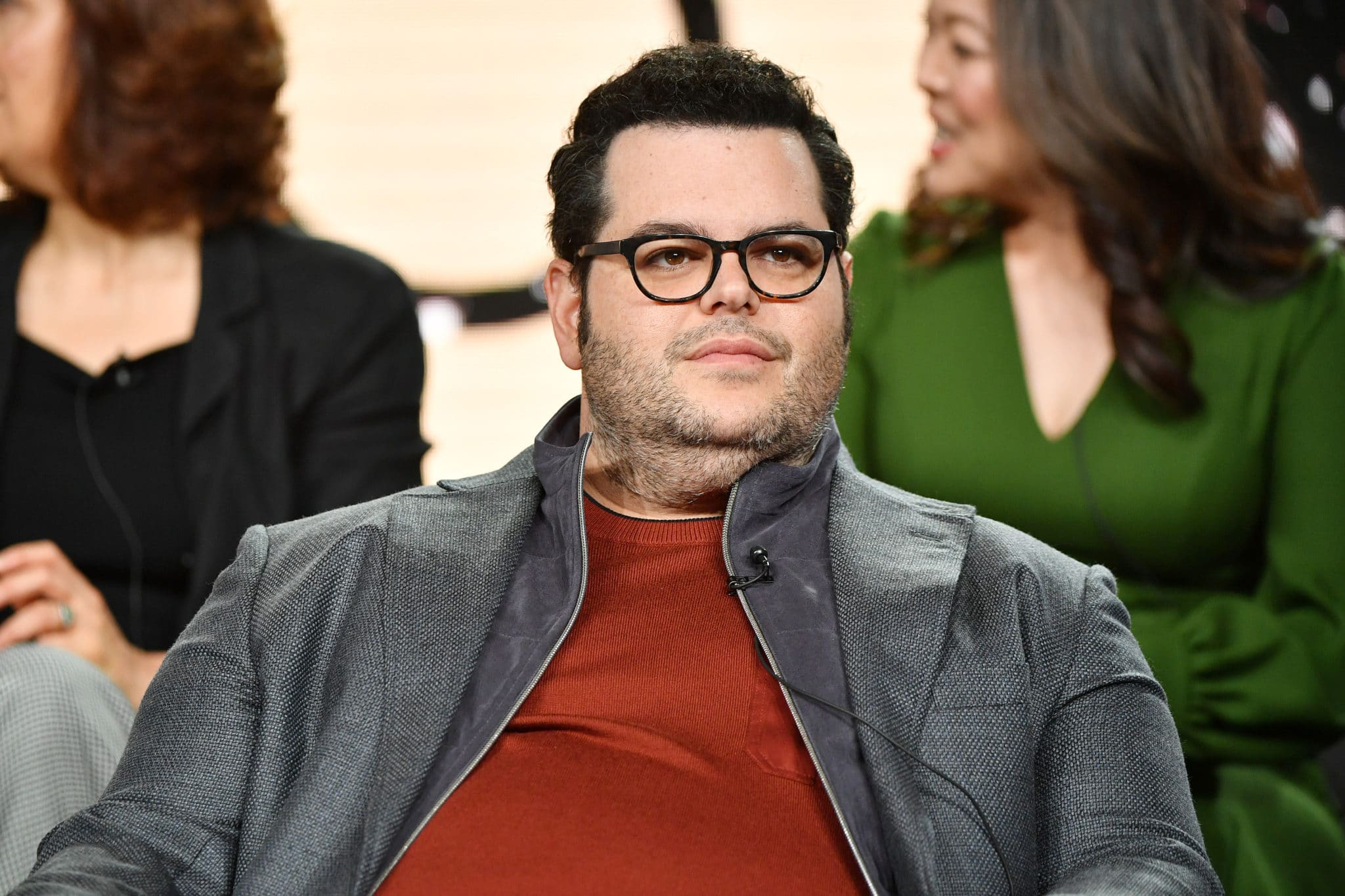
Actor Josh Gad said he is disturbed by recent instances of online anti-Semitism and that everybody needs to speak out against it.
Gad, whose grandparents were Holocaust survivors, made his comments in a July 16 Instagram video, where he noted that anti-Semitism has been rising over the past couple of years, but the anti-Semitic comments from celebrities in the past week has been “startling.”
“I’ve seen it from people who should know better and have an ability to really send messages to a large swath of people who I would imagine would benefit from such greater messaging than intolerance at a time when there is so much intolerance,” Gad said in the video.
He continued, “I think we all have to do better. I think it is so disgusting that after all the lessons that have been learned from those that have messaged such hate in the post that we would continue to make these mistakes, yet here we are.”
Gad concluded the video by calling on people to better educate themselves and take action beyond uttering “old and tired clichés.”
https://www.instagram.com/tv/CCrBR-_pOw3/?utm_source=ig_embed
StandWithUs praised Gad’s video in a July 20 tweet.
“Jewish Hollywood [star] @joshgad has taken a stand against the virus of #antisemitism that is continuing to rear its ugly head,” the pro-Israel education organization tweeted. “Thank you for speaking out Josh!”
Jewish Hollywood @joshgad has taken a stand against the virus of #antisemitism that is continuing to rear its ugly head.
Thank you for speaking out Josh! pic.twitter.com/Xio3MpvBLn
— StandWithUs (@StandWithUs) July 20, 2020
Former NBA stars Charles Barkley and Kareem Abdul-Jabbar have similarly called out celebrities including Philadelphia Eagles wide receiver DeSean Jackson and actor Nick Cannon, among others, for recent anti-Semitic statements and social media posts.
“I’m so disappointed in these men, but I don’t understand how you beat hatred with more hatred,” Barkley said in a July 17 episode of “The Steam Room” podcast. “That stuff should never come up in your vocabulary, and that stuff should never come up in your heart.”
Abdul-Jabbar similarly wrote in a July 14 op-ed for The Hollywood Reporter: “It’s so disheartening to see people from groups that have been violently marginalized do the same thing to others without realizing that perpetuating this kind of bad logic is what perpetuates racism.”