Charles Darwin was once asked about how humans are linked to the animals and, with all of our knowledge about evolution, there was still anything unique about being a human. Darwin answered, “Man is the only animal that blushes.” To which Mark Twain retorted: “Sure, man is the only animal with good reason to blush.”
Meditating on the importance of the blush can be a spiritual exercise: What are the physiological and spiritual dimensions of this seemingly innocent gesture? The vitalness of blushing indicates that the human being experiences vulnerability in recognizing moral failings and spiritual deficiencies. We have been endowed with such enormous mental and faithful capacities that we can crucially feel embarrassed when we ought to (“the blush”) and when we fall short of our lofty potential.
So we are almost like animals (determined beings with a set nature), but we also possess the unique capacity to transcend our baser natures.
While we may—and should—blush at our misgivings, it is crucial to develop self-respect perhaps even a healthy sense of self-love. David Brooks, the New York Times columnist and commentator, writing in The Road to Character explored this philosophical tension:
Around the eighteenth century, moral realism found a rival in moral romanticism. While moral realists placed emphasis on inner weakness, moral romantics like Jean-Jacques Rousseau placed emphasis on our inner goodness. The realists distrusted the self and trusted institutions and customs outside the self; the romantics trusted the self and distrusted the conventions of the outer world. The realists believed in cultivation, civilization, and artifice; the romanticists believed in nature, the individual, and sincerity, (244).
In Jewish philosophy, there is a stipulation that we embrace both the self and the other, private and public life, both our inner weakness and our inner goodness. Within our ontological reality is our custodianship of a good inclination (yetzer tov) that we must cultivate and an evil inclination (yetzer hara) that we must either destroy or channel towards righteousness. Primarily, we build off of our own inner light and goodness, normatively, from which we have been Divinely endowed to go out and make our world more compassionate and holy.
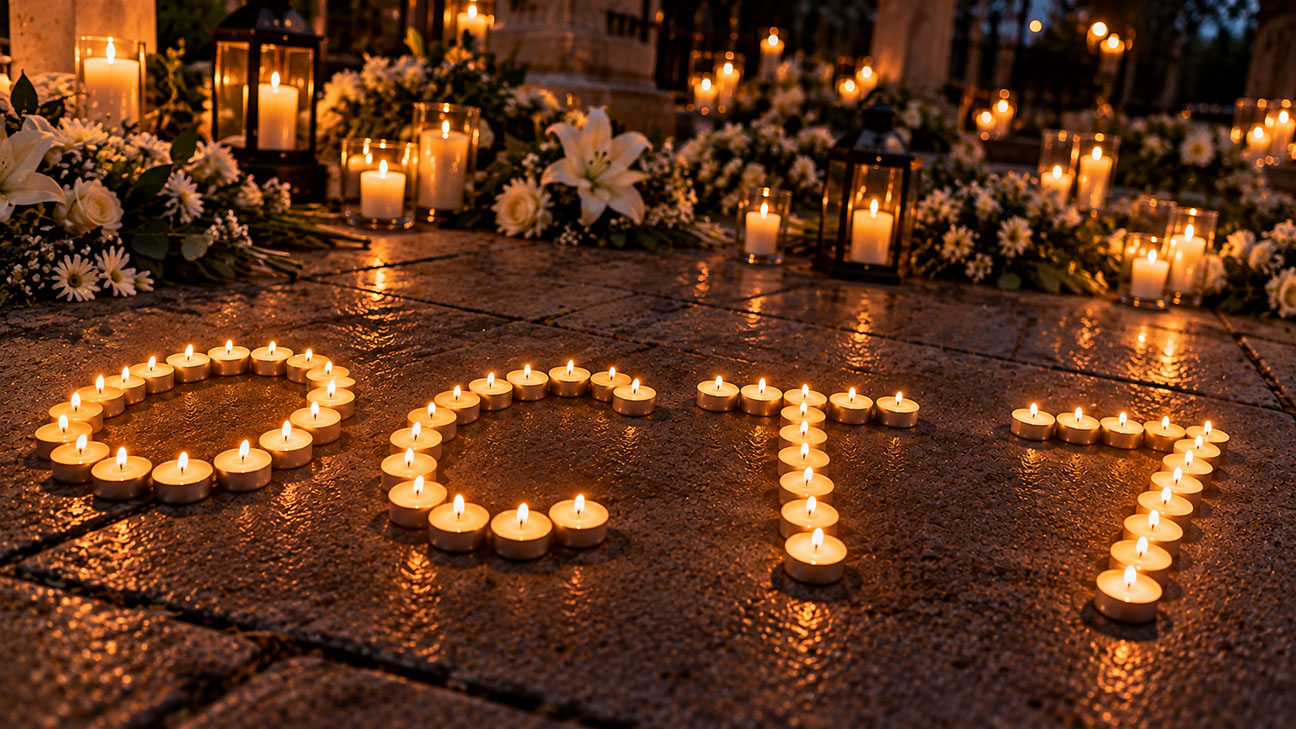
Rav Kook’s poem Or HaNer develops the notion of how unique and precious each of our spiritual capabilities can be:
Everyone must know and understand
that within burns a lamp or candle.
No one’s candle is like another’s,
and no one lacks his or her own candle.
Everyone must know and understand
that it is their task to work to reveal the light of
that candle in the public realm.
And to ignite it until it is a great flame
And to illuminate the whole world.
It is our duty to illuminate the world. Together. We do this not through an alien fire, but with our own irreparably unique soul stations. For it is through our infinite capacity for spiritual uprightness that we are gifted the ability of blushing: and thus the gift of repairing the world.
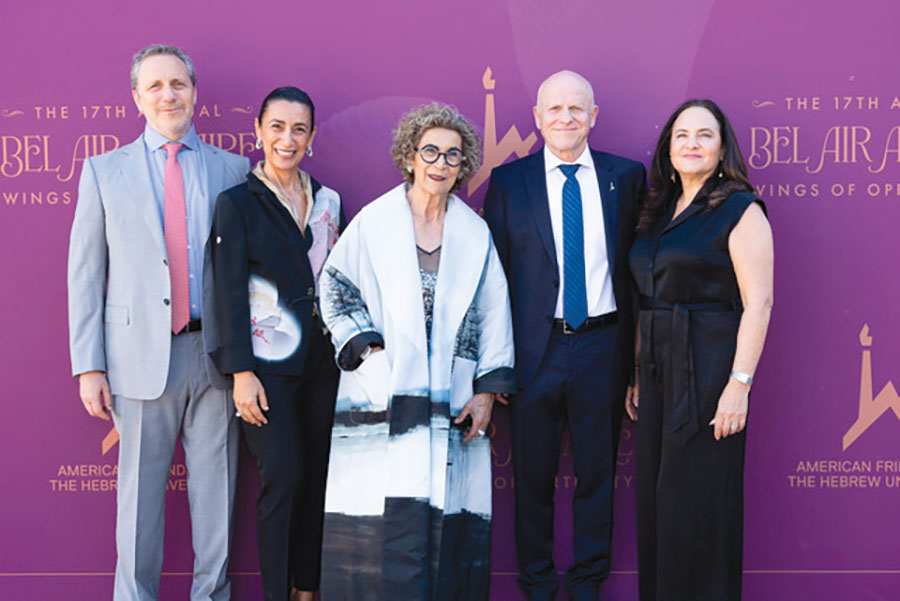
Rabbi Dr. Shmuly Yanklowitz is the President & Dean of the Valley Beit Midrash, the Founder & President of Uri L’Tzedek, the Founder and CEO of The Shamayim V’Aretz Institute and the author of eight books on Jewish ethics.