One week after the Super Bowl, The Jewish Federation of Greater Los Angeles was celebrating its own Super Sunday — its major fundraising event of the year where volunteers sit at banquet-style tables and make cold calls to potential donors.
I attended with one goal in mind: to be the best caller Federation has ever seen.
This was my chance to live out my lifelong dream of being a call center representative. (We all have our dreams; don’t judge!) Monies raised — in this case, more than $1.2 million — help fund Federation initiatives such as the Nu Roots program for young professionals, the launching of the Los Angeles Jewish Abilities Center for adults with special needs, and Israel advocacy programs.
Upon arrival at the Skirball Cultural Center Feb. 8, I immediately was handed a phone and a “placemat,” which was basically a rundown for callers, equipped with a calling script and resolutions to potential snafus — should they arise.
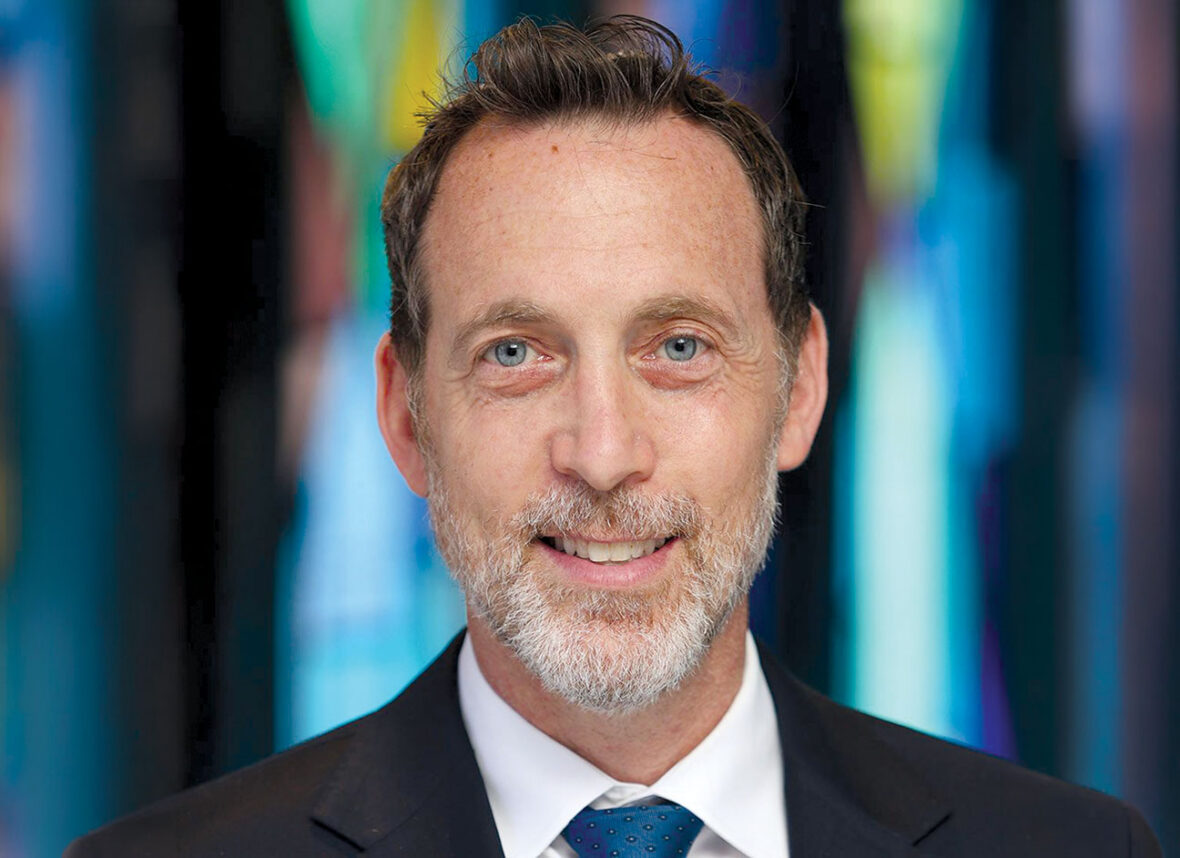
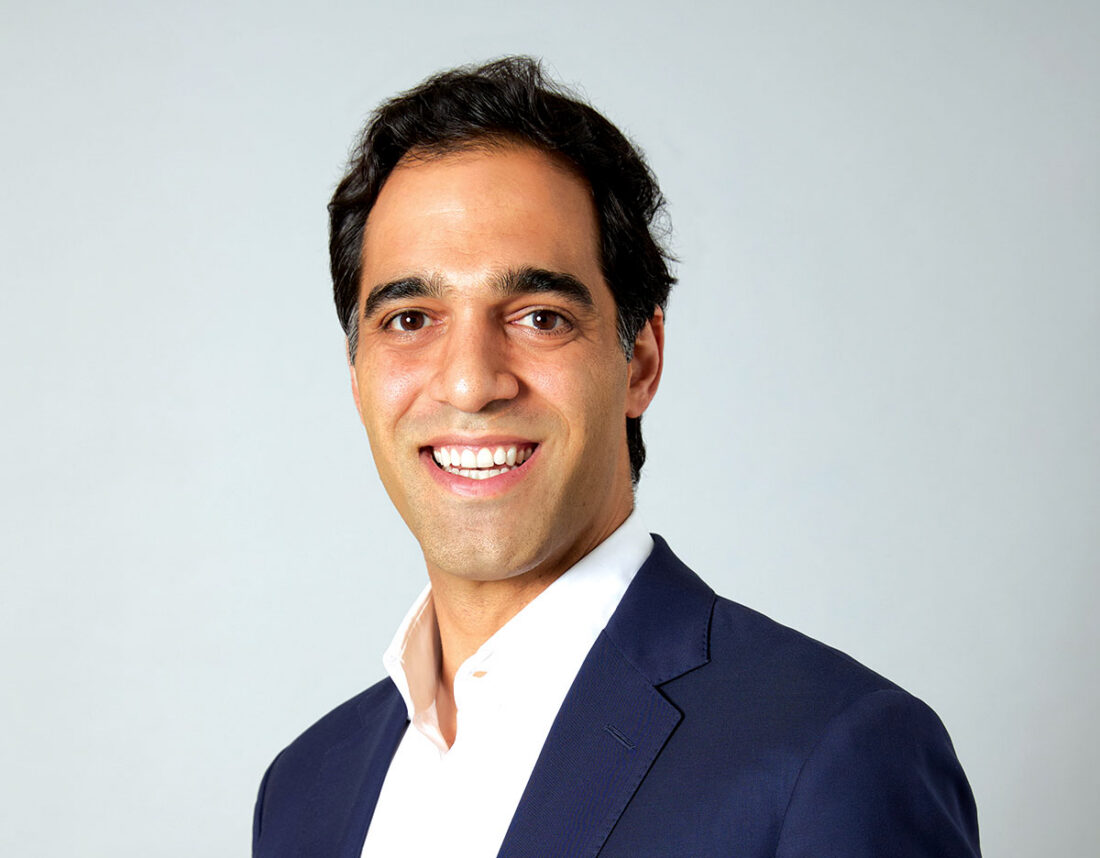
Attempting to shmooze with my fellow phone-calling counterparts, I immediately struck up a conversation with a guy sitting alone at a table. “What brought you out here today?” I asked. He ended up being Federation vice president of planned giving and endowments, Joshua Karlin, and my mentor for the next couple of hours.
At the center of each table were two baskets: one for “yes” pledges and one for its more popular counterpart, “no” pledges. Karlin said if I got a yes pledge, I should ring the bell (like one you’d see at a concierge desk in a hotel lobby) stationed at the center of the table. Every so often, a melody of bell chimes would sing at once. People would hoot and holler, some would clap, and in some instances, the person who sealed the pledge would rise from his or her seat triumphantly.
I had visions of being Super Sunday’s star caller, bringing in pledges left and right. In reality, most calls went straight to voicemail. The time I did finally get a person, the woman immediately regretted picking up the phone and said she was in the middle of something.
“Remember,” Karlin said, “there are half a million Jews living in Los Angeles and the Federation has about 15,000 donors.”
Basically, he was sending me to the battlefield with a reality check, advising me not to be disheartened by the odds. Regardless, I felt like I was letting everyone down. Why didn’t I get a pledge and experience the exhilaration of ringing that bell?
I decided to cruise the crowd and pick up some pointers. Sitting just two tables down was a mother-daughter duo, first-timer Miriam Watenmaker and her daughter, Michelle, a fourth-year Super Sunday veteran who attends Pierce College. Miriam experienced what her daughter called beginner’s luck — she got a yes pledge ($136) after her first phone call, but didn’t get any after that. Michelle said she’s accustomed to getting a thousand no’s, “but that one yes makes it all worth it.”
“It takes time and a bit of luck,” she continued, adding that what keeps her coming back is the welcoming environment.
Meanwhile, her mother kept making calls: “Hello Matthew, my name is Miriam,” she said in a pleasant, sing-songy voice. Then she went into her shtick, saying she’s calling on behalf of the Federation and that all monies pledged are helpful “so we can continue to support the community …”
Then her voice trailed off. “Hello? Hello?” she asked. Matthew had hung up. Unfazed, she went on to the next pledge.
Before sending me on my way, the Watenmakers shared some trade secrets, advising me to ask for people by their first names, to make the conversation personable and to not read the script verbatim — “less machine-like and more personality.”
Another mother and daughter pair was Emma and Alla Doner. Only 10 years old, Emma was too young to make phone calls, so she was stuffing envelopes. As someone who attends Jewish Big Brothers Big Sisters of Los Angeles’ Camp Max Straus, she wanted to give back to Federation, which provides grants to campers.
“My favorite part of the day is that I’m helping out kids who don’t really have the money to go to camp or have supplies that they need. I think that’s the coolest part about being here,” Emma said.
“Are you coming back next year?” I asked them. Without a moment’s hesitation, Emma responded with an enthusiastic, “Yes!”
The day started at 9 a.m. with a campaign launch and a community rally to pump up the volunteers, and the day stretched out until 6 pm. Singer-songwriter Lisa Loeb was there, too, sporting her trademark cat-eye glasses as she serenaded a mosh pit of nearly a hundred toddlers dressed in their best superhero duds, not to mention a handful of Disney princesses. (That was to support Federation and its educational outreach program, PJ Library.)
Andrew Cushnir, who started as a volunteer at Federation and is now the executive vice president, said the morning’s events “really got the room going, and the people who were making the calls felt in their guts what the Federation is doing.”
It must have worked for Megan Kanofsky, Federation’s program director for Jewish campus life who had a bin packed with yes pledges.
“Although not everyone is answering their phones — which is to be expected, you’re not going to get all of them — but we’re getting a lot of young adults giving for their first time, which is cool,” she said.
Her secret to success is simple, so simple it’s written at the top of each caller’s placemat: “Remember to smile.”