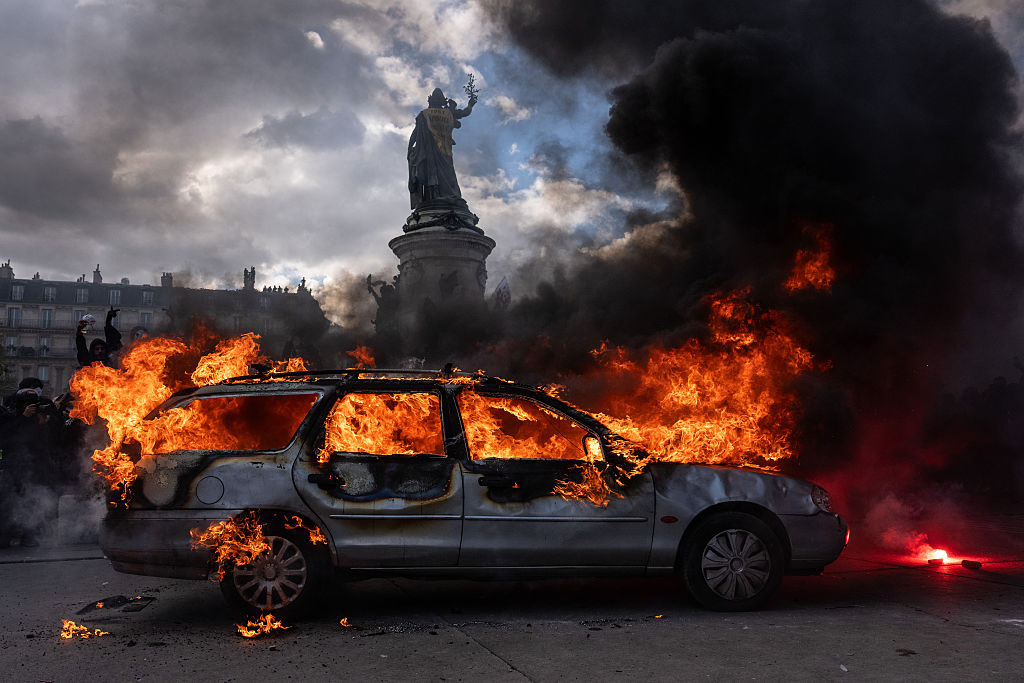
Los Angeles is a city that prides itself on diversity, but too often we mistake that for unity. We share freeways, neighborhoods, and schools, yet sometimes live in separate conversations. We know the Watts uprising in 1965 and the unrest after the Rodney King verdict in 1992 exposed what happens when misunderstanding fills the silence between communities. Those lessons still echo today: diversity without dialogue is just distance.
At Project Shema, we’re trying to change that. Our work is about helping people have the kinds of hard conversations that make real understanding possible, conversations grounded in empathy instead of accusation. Because right now, across Los Angeles and beyond, disagreement can feel dangerous. People worry about saying the wrong thing, about being judged or misunderstood; people struggle to hear or be heard. Sometimes it feels easier to stay silent than to risk speaking up. But silence doesn’t heal anything. Real dialogue, even when it’s uncomfortable, is what keeps us moving forward together.
Over the last few years, we’ve partnered with synagogues, Jewish organizations, schools, corporations, and community groups in LA and across the country to help people recognize contemporary antisemitism, especially how harmful ideas can show up in discourse around Israel and Palestine even when unintentional, and respond in ways that build bridges instead of walls. We believe in listening before reacting and understanding before trying to seek clarity for the sake of building empathy, not agreement. These conversations aren’t always easy, but they’re essential if we want to mend the divides that keep people apart.
Here in Los Angeles, that work feels especially urgent when many feel afraid and unsafe, from our immigrant neighbors being targeted by ICE to our broader Jewish community reeling from rising antisemitism. LA is a place where identities, politics, and histories collide in complicated ways. The same energy that fuels creativity and activism can also create tension and misunderstanding. But I’ve seen how, with the right tools, those conversations can turn into moments of growth and connection – things which are necessary to ensure safety.
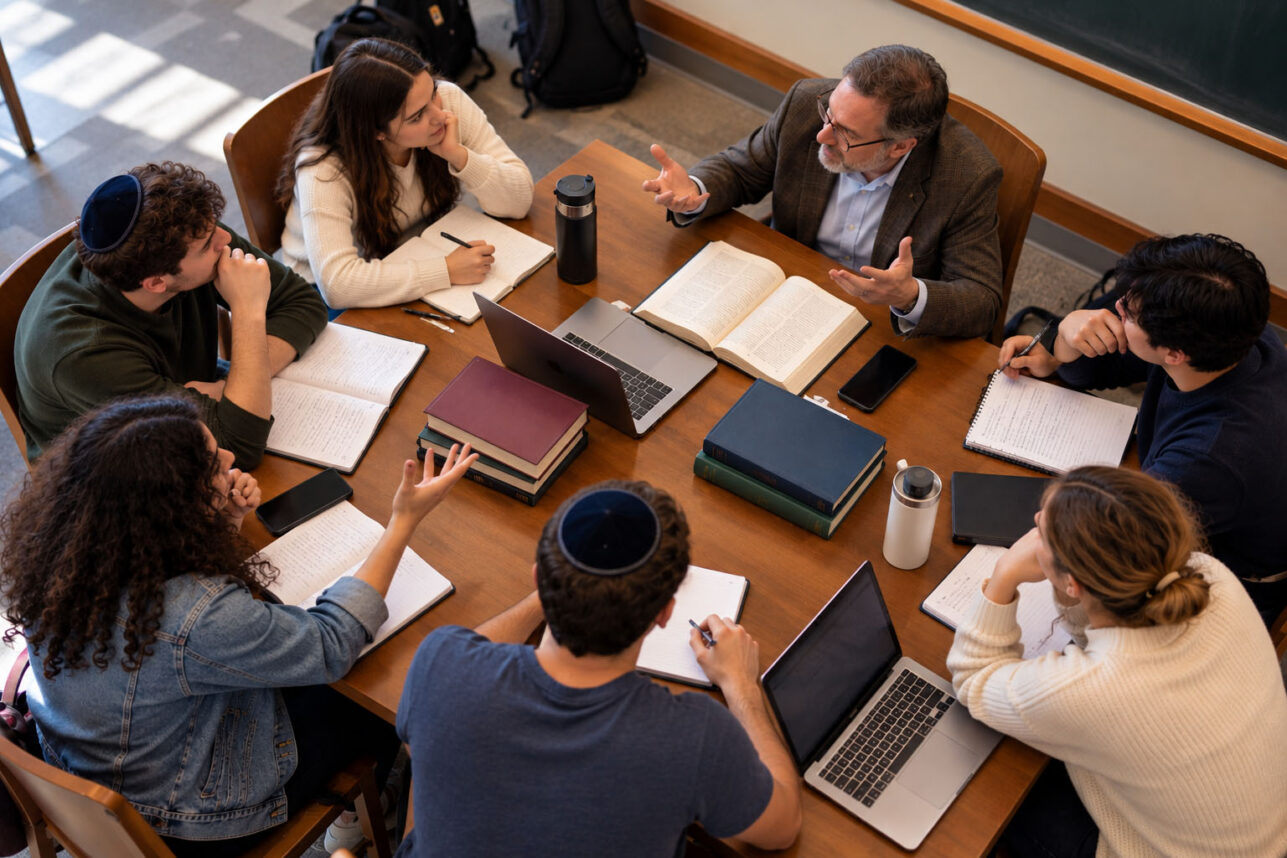
At Occidental College, for example, we were invited to train first-year students on antisemitism and inclusion. Hundreds of students showed up, many unsure or skeptical. By the end, so many said they left with a better understanding of how bias can show up and how to talk across differences with more care and humility.
At another workshop at the Claremont Colleges, a student asked why holding individual Jewish people responsible for the actions of the Israeli government is considered antisemitic. It could have become a defensive moment, but our facilitator gently asked the student to imagine being blamed for something they couldn’t control, like past or current U.S. policy under a president you didn’t vote for, let alone the actions of a government of a state thousands of miles away of which you are not a citizen. That small shift in perspective changed everything. The student didn’t shut down; they leaned in. Curiosity replaced confrontation.
Those are the moments that keep me going, when people choose to be curious instead of fearful, when they choose relationship over being “right.”
Our work in Los Angeles has shown both what’s possible and what’s still hard. Building trust takes time. It means finding partners, from synagogues and universities to local leaders, who see dialogue not as a distraction from action but as part of how real change happens.
That kind of work doesn’t grab headlines, but it matters. Every honest exchange plants a seed. Every act of listening opens the door to the next one. Change rarely happens through sweeping statements or slogans. It happens through the quiet, consistent work of showing up for each other.
When we talk about antisemitism, it’s easy to focus only on what divides us. But at Project Shema, our work is about what brings us together. Building understanding isn’t about agreeing on everything; it’s about choosing connection, even when it’s hard. It’s about staying in the room when things get uncomfortable, because that’s where growth happens. In Jewish tradition, there’s a phrase, machloket l’shem shamayim, “disagreement for the sake of heaven.” It’s the idea that when we argue with sincerity and respect, it can bring us closer to truth and to one another.
That’s the heart of what we do. Empathy isn’t weakness; it’s strength. Dialogue doesn’t excuse harmful behavior, and understanding doesn’t mean letting go of conviction. But if we can’t see one another’s humanity, we lose the foundation for any kind of shared future.
In my career, I’ve spent a lot of time helping organizations and communities build spaces where people feel they belong. One thing I’ve learned is that progress depends less on who speaks the loudest and more on who’s willing to listen. Listening isn’t passive; it’s brave. The work we do at Project Shema, here in Los Angeles and across the country, is about creating those brave spaces where listening can happen, empathy can take root, and real healing can begin.
If we want a city and a world where our differences don’t divide us, we have to build it — one honest conversation at a time.
April Powers is the Vice President of Engagement at Project Shema, where she helps organizations and communities navigate difficult conversations about antisemitism, identity, and inclusion. A Los Angeles native and veteran diversity, equity, and inclusion strategist, she works to ensure Jewish identity and antisemitism awareness are meaningfully integrated into broader DEI efforts.