In the days since U.S. President Donald Trump announced his 20-point peace plan for Israel and Gaza, community leaders and organizations offered a range of responses, with some expressing hope for what the immediate future might bring while others raised concerns about the plan’s feasibility and implications.
“Even if nothing comes out of this, in terms of ending the war—and I hope it will—at long last we have a vision for the day after, and this is something we didn’t have until now,” Israeli journalist Nadav Eyal said during a recent episode of Dan Senor’s Israel-focused podcast, “Call Me Back.” “It’s a serious vision for the day after; it’s very complex; it’s nuanced.”
Likewise, JStreet Policy Chief Ilan Goldenberg echoed that upbeat sentiment in a statement that was published on X.
“This moment holds both real promise and tremendous peril,” Goldenberg said. “We welcome Trump’s plan, which reflects principles long championed by J Street. Within this plan lies the promise of a lasting regional peace. Hamas must now be pressed to accept the deal and free the hostages.”
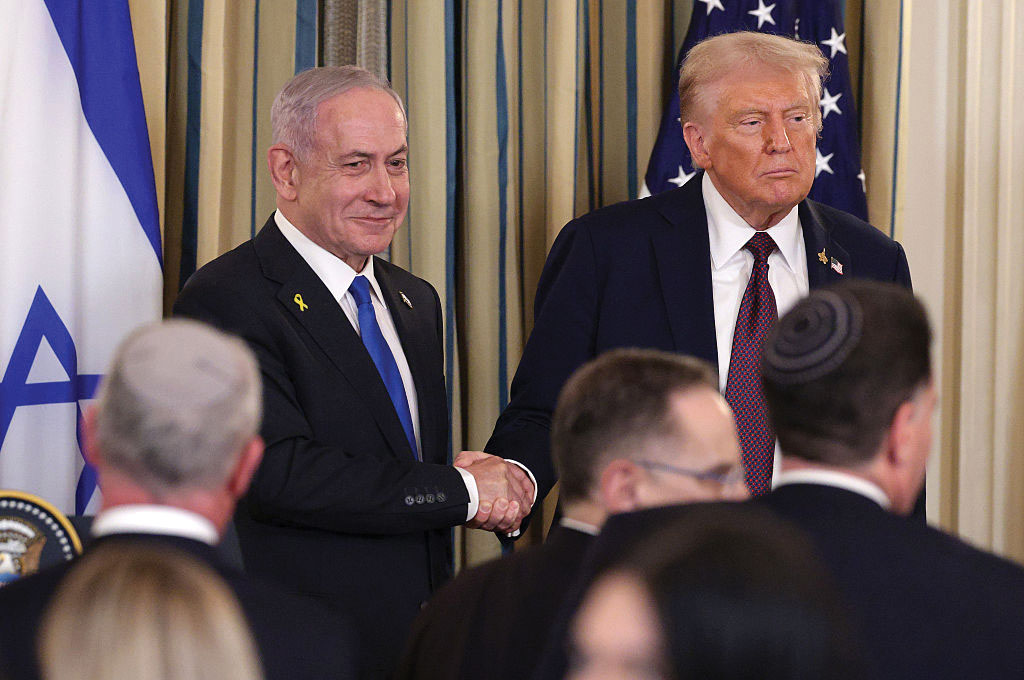
On Sept. 29, appearing alongside Israeli Prime Minister Benjamin Netanyahu, Trump announced his cease-fire plan for Israel and Gaza during a press conference at the White House. The proposal, which has garnered buy-in from key Arab parties, including Qatar and Turkey, aims to end the ongoing Gaza conflict; facilitate the return of all of Israel’s hostages, including those living and deceased; dismantle Hamas’s military capabilities; facilitate Israel’s withdrawal from Gaza; and establish a transitional government in Gaza.
Israel immediately accepted the plan. As of press time, Hamas had said it was ready to accept the plan but would ultimately make its decision depending on “field conditions” in Gaza.
As commentator Van Jones said during his Oct. 3 appearance on “Real Time with Bill Maher,” Hamas’ response to Trump’s proposal was, essentially, “Yes, but…” with the “ ‘but’ being bigger than the ‘Yes.’
Elsewhere, local elected officials, including those with consistent pro-Israel records, welcomed Trump’s proposal and urged all those who’ve spent the past two years calling for a ceasefire to embrace the plan.
“The Peace Proposal just accepted by Prime Minister Netanyahu is a critical opportunity to bring home the hostages, end the war, surge humanitarian aid to the people of Gaza, and take a step forward for a better future for Israelis and Palestinians alike,” Rep. Brad Sherman said in a statement. “All those who have called for a ceasefire must urge with one voice that Hamas accepts this proposal and finally end the war they started with their October 7th massacre.”
Across the Los Angeles community, Jewish leaders offered a note of cautious optimism in response to Trump’s plan.
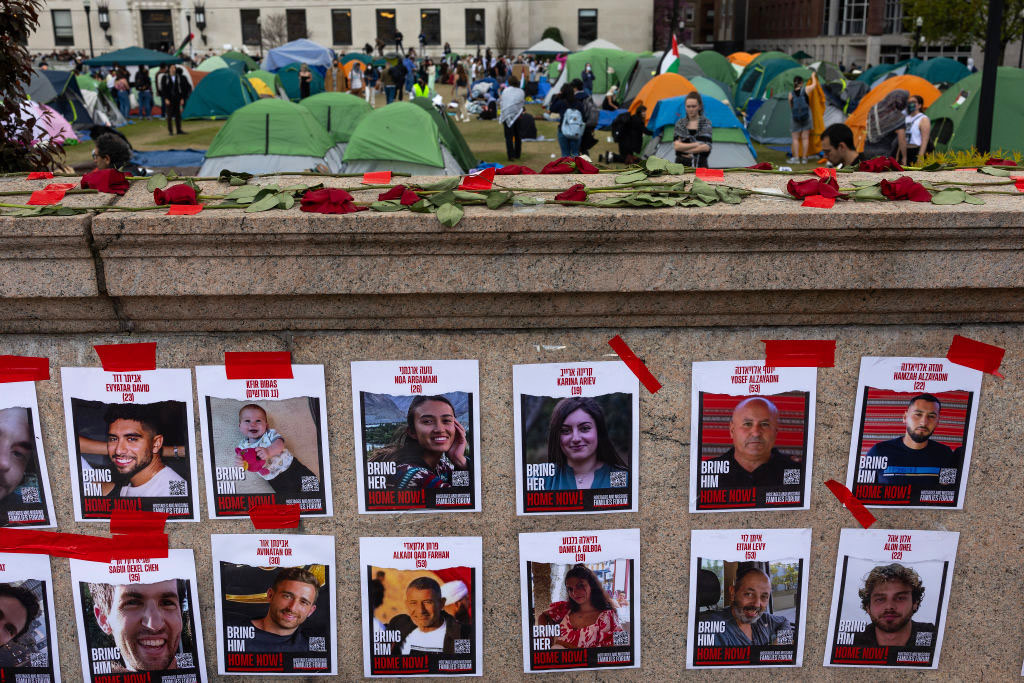
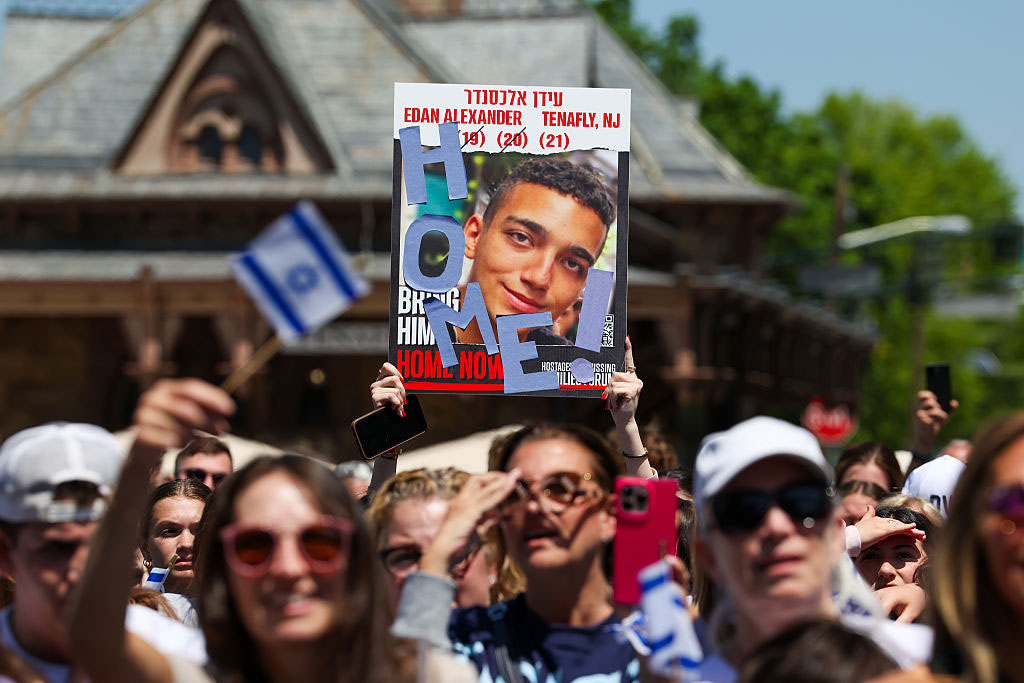
“There is much about this plan that I find encouraging,” Stephen Wise Temple Senior Rabbi Yoshi Zweiback told the Journal. “Most importantly, it provides a pathway to being able to welcome our hostages home on a time frame that is appropriate. Of course, they should have been returned to their families more than 730 days ago, but at least this proposal offers a very short window to secure their release.
“As someone who is not a foreign policy expert, I won’t dive into the technical details of the plan,” Zweiback continued. “What I can say is that it represents a serious attempt to accomplish three goals that I wholeheartedly support: ending the war, bringing our hostages home and removing Hamas from power.
“Looking at the broader picture, this plan gives me hope that a negotiated two-state solution remains possible. It may still feel like a distant dream, but the fact that this proposal has traction in the region keeps the possibility alive. That in itself is significant.
“I also recognize that much depends on Hamas, a fanatical jihadist organization that has repeatedly shown disregard for its own people’s lives and a relentless drive to harm the Jewish people and the Jewish state,” Zweiback concluded. “That reality makes the challenges ahead profound. Still, it is forbidden to give up hope. With sufficient pressure from regional allies, the United States and other partners, I believe this plan has a chance. My hope is that it will bring our hostages home, our soldiers home and open the door to a lasting peace.”
Still, others casted doubt that Hamas was genuinely invested in abiding by Trump’s plan, which calls for Hamas’ disarmament and the eventual installment of a Gazan government comprised not of Hamas but of technocrats.
“If Hamas goes along with it, it represents a complete and unequivocal surrender on their part. So, I don’t know how they could do that,” a local community leader told me. “I just don’t see that happening.”