Noah Rothbaum is a font of whiskey guidance. In his new book“The Whiskey Bible: A Complete Guide to the World’s Greatest Spirit,” Rothbaum solves some of the biggest whiskey mysteries, busts many whiskey myths and shines a light on the pivotal role of Jewish immigrants in bringing whiskey to America.
Rothbaum, who has traveled the globe in search of a good drink, first gained interest in the subject when he was in college; he did an internship at “Food and Wine” magazine, when whiskey was being revived after being literally on the rocks.
“At the time the whiskey industry was coming back alive after a couple decades of really hard times, when nobody wanted whiskey around the world,” Rothbaum told the Journal. “It was kind of exciting to meet these people who were breathing new life into the whiskey industry and taste their whiskey.”
Whiskey became a real passion for the James Beard Award-winning journalist, who also wrote “The Art of American Whiskey: A Visual History of the Nation’s Most Storied Spirit, through 100 Iconic Labels” and “The Business of Spirits: How Savvy Marketers, Innovative Distillers, and Entrepreneurs Changed How We Drink.”
“In many ways, American Jews invented whiskey in this country or at least helped popularize it, around the turn of the century, the late 1800s to 1900s,” he said.
Because of the laws of kashrut, Jews were accustomed to making their own alcohol. This happened in the old country, whether that was Poland or Russia or Germany. In some of those countries, like Poland, Rothbaum explained, they were also making alcohol for non-Jews. Taverns and inns doubled as distilleries.
When Jews started emigrating to America and Canada en masse in the 1800s, they realized their knowledge of making alcohol would come in handy. People were thirsty and needed their help making alcohol.
“Even though Jews represented a very small part of places, like Louisville, Kentucky, they were overrepresented in the production of alcohol and whiskey,” Rothbaum said. “We have folks like IW Bernheim [whose] brand is IW Harper; he gave it a very gentile name, I think, in hopes that it would sell better. And it did.”
The Bronfmans came from Bessarabia to Canada, and started a liquor company that ultimately became Seagrams, Rothbaum continued. Their main competitor was a company called Schenley, which was started by Louis Rosenstein. The Blum family of Chicago were the main investors in Jim Beam, after Prohibition. The list of Jews in the business of spirits goes on and on.
“I have this theory about alcohol where people made alcohol out of whatever was available, whether that’s grapes or grain or potatoes or old shoes or whatever it is,” Rothbaum said. “When Jews lived in certain places where grapes grow, like Israel, they made wine.”
In places like Eastern Europe, grapes were much harder to come by, so they made other types of alcohol.
“Fortunately the rules for making spirits are a lot simpler than the rules for making wine,” he said. “Most whiskey by its very nature is kosher … because there’s only really three ingredients: water, yeast and grain.”
He added, “The fourth ingredient is the barrel, because all whiskey comes off the still clear; the color and so much of the flavor comes from the barrel.”
Given his background, Rothbaum knew plenty about whiskey, when he started this project. Yet, there was so much more to learn.
“It’s always such a humbling experience,” Rothbaum said. His publisher, Workman, had released “The Wine Bible” and “The Beer Bible.” “The Whiskey Bible” completes the series.
“It blew me away that they were offering this to me, but also what [the endeavor] would entail,” he said. “I finally came to my senses fairly quickly and … that sent me down this crazy [path] to try to get all the whiskey knowledge in my head, but also just of all the whiskey knowledge in the world into one book.”
“The Whiskey Bible” is more than 600 pages of knowledge, history and stellar recipes from bartenders from around the world.
“I wanted folks to feel empowered and savvy,” Rothbaum said. When someone hears something about whiskey, whether it’s from their colleague, a know-it-all friend or they see a movie where somebody’s drinking it, they can pull out “The Whiskey Bible, flip to that page or section and see what’s what.
Rothbaum believes whiskey fulfills people in a deeper way than just drinking.
“Obviously, I love drinking whiskey and the flavors and the experience of having a drink, but there’s also the fulfillment on other levels,” he said. “There’s that connection to the people who made it, to the place where it was made and the story behind it, and all of that stuff usually gets lost… I wanted people, while they’re enjoying their drink, to be able to read about the back history and all that insider knowledge that they often don’t get to experience.”
“One of my favorites is a recipe called the penicillin by my friend Sam Ross,” Rothbaum said. “This is a cocktail that calls for two different types of scotch – more of the mellow, blended scotch and then also the super smoky scotch, which you don’t generally see in cocktails, but it’s just a whisper – so you get that beautiful kind of peaty smoky hit when you pick up the glass.”
It also calls for ginger syrup.
“What I love about Sam’s cocktail is that it doesn’t go back hundreds of years; he created it less than 20 years ago, and … and people all over the world now make this drink,” he said.
When Rothbaum asked where the name came from, Ross said that when he was smelling the cocktail – the different kinds of notes from the whiskey and the honey ginger syrup and the citrus – it reminded him of chicken soup aka Jewish penicillin.
“He shortened the name from Jewish penicillin to penicillin, which gives the drink this very sort of old-timey feel and sort of a gravitas,” Rothbaum said. “I think it’s hilarious that it came [from] the fact that [it] reminded Sam of chicken noodle soup.”
The Penicillin is one of the most successful whiskey drinks to be created since the rebirth of the cocktail. The recipe was thought up by Sam Ross when he was working at the pioneering New York bar Milk & Honey. (This is the same Sam Ross who created the Paper Plane.) The secret of the drink is also its most unusual element—a drop of smoky Islay Scotch. It pairs beautifully with the ginger, lemon, and honey, and turns a decent cocktail into a modern classic. The Penicillin proves that big-and-bold Scotch deserves to be used in more cocktails.
INGREDIENTS
2 ounces (60 ml) Scotch
¼ ounce (5 ml) Islay Scotch
¾ ounce (20 ml) lemon juice
¾ tablespoon (10 ml) honey syrup (3 parts honey, 1 part water)
¾ tablespoon (10 ml) sweetened ginger juice (4 parts ginger juice, 3 parts sugar)
GLASS: Rocks
GARNISH: Candied ginger
DIRECTIONS
Combine all of the ingredients except the Islay Scotch in a shaker and fill it with ice. Shake, then strain into a rocks glass filled with ice. Float the Islay Scotch on top by pouring it over the back of a spoon. Garnish the rim of the glass with a piece of candied ginger.
Debra Eckerling is a writer for the Jewish Journal and the host of “Taste Buds with Deb.” Subscribe on YouTube or your favorite podcast platform.Email Debra: tastebuds@jewishjournal.com.
U.S. President Donald Trump on Wednesday announced the first phase of an agreement aimed at ending the war between Israel and Hamas.
“I am very proud to announce that Israel and Hamas have both signed off on the first phase of our peace plan,” Trump wrote on his Truth Social platform.
“This means that all of the hostages will be released very soon, and Israel will withdraw their troops to an agreed upon line as the first steps toward a strong, durable, and everlasting peace,” he continued.
“All parties will be treated fairly! This is a great day for the Arab and Muslim world, Israel, all surrounding nations, and the United States of America, and we thank the mediators from Qatar, Egypt, and Turkey, who worked with us to make this historic and unprecedented event happen,” Trump added.
“Blessed are the peacemakers!”
Minutes earlier, Israeli Prime Minister Benjamin Netanyahu’s office issued a brief statement saying, “With God’s help, we will bring them all home”—a reference to the 48 hostages still held by Palestinian terrorists in Gaza who are expected to be released as part of the deal.
“A great day for Israel. Tomorrow I will convene the government to approve the agreement and bring all our dear hostages home,” Netanyahu said in a subsequent statement.
“I thank the heroic IDF soldiers and all the security forces—thanks to their courage and sacrifice, we have reached this day. I thank from the bottom of my heart President Trump and his team for their dedication to this sacred mission of freeing our hostages,” he continued.
“With God’s help, together we will continue to achieve all our goals and expand peace with our neighbors,” added Netanyahu.
Danny Danon, Israel’s envoy to the U.N., tweeted on Wednesday that, “The entire nation of Israel has been waiting for two years for the hostages to return home, as they remain in inhumane conditions at the hands of a cruel enemy.
“We thank President Trump and Prime Minister Netanyahu for their determination, courage, and perseverance. We will not forget the bravery and sacrifice of the IDF soldiers and security forces who acted with endless dedication to bring the hostages home,” he added.
The Hostage and Missing Families Forum Headquarters welcomed the agreement, calling it “an important and significant step toward the return of everyone.”
The group urged the Israeli Cabinet to convene immediately to approve the deal, warning that any delay could carry a heavy price.
“The families of the hostages wish to express their deep gratitude to U.S. President Donald Trump and his team for the leadership and determination that led to this historic breakthrough—the end of the war and a comprehensive agreement for the return of all the hostages,” the statement said.
“There are 48 hostages still held by Hamas. Our moral and national duty is to bring them all home—both the living and the fallen. Their return is essential for the healing and renewal of Israeli society as a whole. We will not rest, and we will not be silent until the last hostage is home. We will bring them back. We will rise,” added the forum.
Earlier on Wednesday, Trump dispatched envoys Steve Witkoff and Jared Kushner to Egypt to join the talks on ending the war, as Hamas pressed new demands not part of the original agreement Israel accepted.
Israeli Strategic Affairs Minister Ron Dermer was also slated to join the talks in the Red Sea resort town of Sharm el-Sheikh, along with Qatari Prime Minister Sheikh Mohammed bin Abdulrahman Al Thani and Turkish intelligence chief Ibrahim Kalin.
On Sept. 29, Trump unveiled a 20-point proposal to end the war in Gaza, sparked by the Hamas-led massacre of 1,200 people in southern Israel on Oct. 7, 2023.
Earlier this week, families of hostages sent an urgent letter to the Norwegian Nobel Committee, calling on the body to award the Nobel Peace Prize to Trump for his efforts to broker peace in the Middle East.
It’s hard to remember a more massive effort to resolve an impossible mess.
Ever since Hamas terrorists savagely massacred 1200 Israelis on Oct. 7, 2023, which triggered Israel’s longest war, ending the devastation and getting the hostages released became the deadlock nobody could crack.
Now, with a determined President Trump knocking heads and using every ounce of his leverage with the countries of the region, it looks like the first phase of deal has been reached and the hostages captured on Oct. 7 will finally come home.
As I look back on the lingering nightmare of Oct. 7, my mind today is also on Oct. 6.
Oct. 6 was before Gaza turned into rubble, before tens of thousands of civilians perished while hundreds of thousands lived in fear and misery, before hundreds of Israeli soldiers gave their lives, before the primal screams to get the hostages out, before the world turned on Israel, before antisemitism mushroomed everywhere.
But here’s the thing about Oct. 6, 2023 that the world must never forget.
There was a ceasefire.
There were no Palestinian casualties.
There were no Israeli hostages.
There were no Gaza neighborhoods turned into rubble.
The ceasefire that Trump and a mini-army of allies have been trying to get for months was already there on Oct. 6.
It’s true that the current plan is aiming higher than a return to Oct. 6, with ideas for long-term solutions for Gaza, an eventual resolution of the Palestinian conflict and an expansion of the Abraham Accords. We can only hope that at least some of these aspirations will come to fruition.
In the meantime, as we await eagerly for the deal to be signed and the hostages to be released, let’s put analyses on hold for a minute and remember that glorious day of October 6, 2023, the day before a nightmare greeted Israel and the Jewish people on the most joyful day of the Jewish calendar—Simchat Torah.
What will greet us next Tuesday on Simchat Torah? As we anticipate images of liberated hostages, may our 2023 tears of grief be replaced by our 2025 tears of joy.
Your Ultimate Guide to the Big 5 (and I am not talking about Africa this time!)
Pura Ulun Danu Bratan bali indonesia
If Asia has been on your bucket list, this is your moment. Japan’s cities are topping global trending destination lists, and the entire “Big Five” region (Japan, Thailand, Vietnam, Singapore, and Indonesia) is seeing a lot of interest. The reason? Today’s Asia offers the perfect storm of travel conditions: currency exchanges that make luxury affordable, well-developed infrastructure that eliminates stress, and authentic experiences you will love.
Which Asia Destination Matches Your Travel Style? Your Ultimate Guide to the Big 5
Imagine this: your friend just came back from Japan raving about $20 dinners that rival Michelin-starred restaurants. Your coworker can’t stop showing photos from her Vietnam trip where she stayed at a luxury resort for less than a mid-range hotel in Europe. Meanwhile, that Instagram post of someone swimming in Singapore’s famous infinity pool has you seriously questioning your vacation plans.
Here’s the thing, travelers are discovering that Asia isn’t just trending because it’s exotic, it’s trending because right now, it offers the best value, incredibly authentic experiences, and breathtaking Instagram-worthy adventures. With favorable exchange rates and infrastructure that’s never been better, that Asia trip you’ve been “someday” planning just became a “this year” possibility.
One of the things people love most about Asia is it’s beautifully diversity. Whether you’re a first-time international traveler, an adventure-seeking solo explorer, or planning that special multi-generational family trip, there’s an Asian destination that’s perfectly tailored for your travel style.
Let me walk you through Asia’s “Big Five” trending destinations and help you discover which one calls to your wanderlust.
Japan: Where Ancient Tradition Meets Modern Wonder.
Ideal for: Multi-generational families, culture enthusiasts, first-time Asia travelers, and anyone seeking the extraordinary.
Japan has shed its reputation as prohibitively expensive, and honestly, it’s become one of the most rewarding travel experiences you can have. Imagine staying in a traditional ryokan where you sleep on tatami mats and wake up to a carefully prepared kaiseki breakfast, then spending your afternoon in Tokyo’s ultra-modern districts watching the controlled chaos of Shibuya crossing.
The magic of Japan lies in how effortlessly it blends the ancient with the ultra-modern. You can meditate at sunrise in Kyoto’s golden temples, then spend your evening in an izakaya sharing laughs with locals over incredible food. For families, Japan offers something remarkable – it appeals equally to grandparents fascinated by centuries-old traditions, parents appreciating the impeccable organization and cleanliness, and teenagers excited about anime culture and quirky pop culture experiences.
Safety concerns? Japan consistently ranks as one of the world’s safest countries. Language barriers? Major tourist areas have excellent English signage, and Japanese hospitality (called “omotenashi”) means locals go out of their way to help visitors, even with language differences.
Your Japan experience might include: Staying in a traditional ryokan with hot spring baths, riding the lightning-fast bullet trains between cities, participating in a tea ceremony, exploring both ancient temples and ultra-modern neighborhoods, and discovering why Japanese cuisine earned its worldwide reputation.
Pro tip: Work with a travel advisor who specializes in Japan to discover hidden izakayas (local bars) where “salarymen” (or blue collared workers) unwind after work, or to arrange private temple visits during quiet morning hours when most tourists are still sleeping.
Thailand: Your Gateway to Southeast Asian Magic
Loy Krathong Festival Ayutthaya in Ancient City, Thailand
Perfect for: First-time Asia travelers, beach lovers, food enthusiasts, and anyone wanting variety in one trip
Thailand is like Asia’s greatest hits album – it gives you a taste of everything the continent offers while remaining incredibly welcoming to Western travelers. The infrastructure is well-developed, English is commonly spoken, and the experiences range from budget-friendly to luxurious.
Picture this: mornings spent exploring ornate temples with golden Buddhas, afternoons learning to cook authentic pad thai from a local chef, and evenings watching the sunset from pristine beaches in the south. Thailand delivers cultural immersion without the intimidation factor that sometimes comes with international travel.
For families, Thailand is particularly magical because it offers multiple vacation styles in one trip. Want to combine cultural exploration in Bangkok with beach relaxation in Phuket? Easy. Interested in adventure activities like elephant sanctuaries combined with spa treatments? Thailand has you covered. The food scene alone is worth the journey – from street food tours to cooking classes, you’ll discover flavors that will spoil you for Thai food back home.
Phuket
The medical tourism infrastructure also makes Thailand appealing for travelers who want adventure but appreciate having world-class healthcare facilities nearby.
Your Thailand experience could include: Exploring the vibrant chaos of Bangkok’s markets, taking cooking classes with local families, island-hopping in crystal-clear waters, visiting ethical elephant sanctuaries, and discovering that authentic Thai food is of course nothing like what you get at home.
Pro tip: A knowledgeable travel advisor can connect you with local families who open their homes for authentic cooking experiences, or arrange early morning temple visits before the tour buses arrive – experiences you’d never find booking online.
Vietnam: Where Authenticity Meets Adventure
Perfect for: Adventure seekers, cultural enthusiasts, photographers, and value-conscious luxury travelers
Hoi An, Vietnam
Vietnam offers something increasingly rare in today’s world: authentic cultural experiences that haven’t been overly commercialized. The value here is extraordinary! Imagine staying in boutique hotels that would cost a fortune in Europe, dining at restaurants that serve some of the world’s best cuisine, and having private experiences for a fraction of what you’d pay elsewhere.
The scenery alone will leave you speechless. Ha Long Bay’s limestone karsts rising from emerald waters look like something from a fantasy novel. The terraced rice fields of Sapa create landscapes so beautiful they seem painted. Ho Chi Minh City pulses with energy that’s infectious, while Hoi An’s ancient streets glow with lanterns that have lit the way for centuries.
Vietnam appeals especially to travelers who want to feel like explorers rather than tourists. The country’s complex history creates layers of cultural experience that reveal themselves slowly. The food scene is phenomenal – Vietnamese cuisine is fresh, healthy, and incredibly flavorful, with regional variations that keep every meal interesting.
Vietnam
For solo travelers, Vietnam offers excellent tour infrastructure and a backpacker-friendly environment, while couples and families can enjoy private guides and customized experiences that create intimate connections with local culture.
Your Vietnam experience might include: Cruising through Ha Long Bay’s mystical waters, exploring ancient Hoi An’s lantern-lit streets, learning about history in Ho Chi Minh City, trekking through mountain villages, and discovering why pho tastes completely different in its homeland.
Pro tip: Local expertise makes all the difference in Vietnam – a travel advisor with regional connections can arrange private boat trips to hidden caves in Ha Long Bay or reserve tables at hole-in-the-wall restaurants where locals eat but tourists never find.
Singapore: Sophisticated Urban Adventure
Perfect for: Luxury travelers, families with teenagers, business travelers extending their stay, and anyone who loves modern city experiences
The Singapore skyline
Singapore is like stepping into the future while maintaining deep cultural roots. This city-state has perfected urban sophistication – imagine a place where world-class shopping, innovative architecture, incredible dining, and efficient public transportation create a seamless travel experience.
What makes Singapore special is how it blends cultures seamlessly. You can start your day with dim sum in Chinatown, spend your afternoon in Little India surrounded by colorful temples and spice markets, then end your evening at a rooftop bar overlooking the stunning Marina Bay skyline.
For families, Singapore offers modern attractions that teens will love – the infinity pool at Marina Bay Sands, the futuristic gardens and sky bridges at Gardens by the Bay, and shopping that rivals anywhere in the world. Parents appreciate the safety, cleanliness, and English-speaking environment that makes navigation effortless.
Singapore also works beautifully as a stopover destination. Instead of rushing through airport layovers, why not spend a couple of days exploring this incredible city? It’s the perfect way to add an extra destination to your Asia trip without the complexity of planning an entirely separate journey.
Singapore
Your Singapore experience might include: Swimming in the world’s highest infinity pool, exploring futuristic garden conservatories, dining at world-renowned hawker centers, shopping on Orchard Road, and experiencing how a modern multicultural society can thrive.
Pro tip: Singapore’s hawker centers can be overwhelming for first-timers – a travel advisor can arrange guided food tours that take you beyond the tourist stalls to where locals queue for the best laksa and chicken rice in the city.
Indonesia: The Ultimate Customizable Adventure
Perfect for: Luxury travelers, adventure seekers, cultural immersion enthusiasts, and anyone wanting a completely unique experience
Pura Ulun Danu Bratan in Bali, Indonesia
Indonesia is where you go when you want experiences that can’t be replicated anywhere else on Earth. With over 17,000 islands, this country offers incredible diversity – from Bali’s spiritual retreats to Java’s cultural immersion, from Komodo’s prehistoric dragons to private island resorts that redefine luxury.
Beyond the well-known beauty of Bali, Indonesia offers cultural experiences that are profoundly moving. Imagine watching traditional puppet shows in Yogyakarta, exploring ancient temples that rival Angkor Wat, or staying in eco-lodges that work directly with local communities to protect pristine rain forests.
For luxury travelers, Indonesia’s private island resorts and exclusive eco-lodges offer experiences that feel like having your own corner of paradise. Many of these properties focus on sustainability and community support, so your luxury comes with purpose.
Pura Tirta Empul Temple on Bali
Adventure seekers can dive with manta rays, trek to see Komodo dragons in their natural habitat, or explore volcanic landscapes that look otherworldly. Cultural enthusiasts can participate in traditional ceremonies, learn ancient crafts from local artisans, or stay with families to experience authentic Indonesian daily life.
Your Indonesia experience might include: Sunrise yoga sessions overlooking volcanic landscapes, staying in luxury eco-lodges that support local conservation, exploring ancient temples hidden in jungles, diving in some of the world’s most biodiverse waters, and discovering cultural traditions that have remained unchanged for centuries.
Pro tip: Indonesia’s 17,000+ islands hide countless secrets – from private waterfalls to family-run warungs (local eateries) serving incredible food. A travel advisor specializing in Indonesia can unlock experiences that most visitors never discover.
Finding Your Perfect Asia Match
The beauty of Asian travel lies in matching your travel style with the right destination: (suggestions only of course – any of these destinations can be structured for any type of traveler!)
If you’re nervous about international travel but ready for adventure: Thailand or Singapore offer comfort with authentic Asian experiences.
If safety is your top priority: Japan consistently ranks as one of the world’s safest destinations.
If you want luxury experiences without luxury prices: Vietnam and Indonesia offer exceptional value for high-end experiences.
If you’re planning a multi-generational family trip: Japan and Thailand excel at offering something meaningful for every age group.
If you want to feel like an explorer: Vietnam and Indonesia provide authentic experiences off the beaten path.
The Perfect Time is Now
Here’s something worth considering: the current favorable exchange rates, particularly with Japan, create value that hasn’t existed in decades. These aren’t typical tourist marketing claims – they’re economic realities that make luxury experiences more accessible.
Ready to turn your Asia dreams into reality? The difference between a good Asia trip and an unforgettable one often lies in those hidden gems and authentic local experiences that only come through expert guidance. I can help you discover the secret ramen shop where Tokyo locals line up at midnight, the family-run cooking school in rural Thailand, or the pristine dive sites in Indonesia that aren’t in any guidebook. So the only question is: which destination will you fall in love with first?
About the Author: This comprehensive guide combines insights from leading travel industry reports, destination experts, and real traveler experiences to help you make the most of your experience.
Don’t forget to share this guide with the person (or persons) you want to go on this trip with!
Ready to book your next travel adventure? Contact me today to craft your personalized experience. With exclusive local partnerships, insider itineraries, and seamless logistics handling, I’ll transform your destination into your next unforgettable reality. Reach out to me at the email below. Alternatively, complete the form with your dates and interests for your (and or your loved one’s) upcoming trip. These memories will warm your heart every December for years to come.
Across American college campuses, antisemitism has erupted into a crisis of safety and trust. It is no longer a matter of overheard insults and isolated incidents; its national epidemic and the dangers are very real. At UCLA, Jewish, Israeli and Zionist students have faced harassment and physical intimidation so severe that a federal judge ordered the university to guarantee their safety and equal access to classrooms. At Sarah Lawrence College, masked protesters aligned with Students for Justice in Palestine and Unity of Fields stormed the main administrative building in the middle of the night, barricading doors and trapping student residents on the upper floors inside. Students were terrified, some afraid to return for days. Elsewhere, waves of occupations have forced Jewish students to walk a gauntlet of hostility simply to attend lectures. These are not symbolic protests or edgy theater. They are direct assaults on the rule of law and the mission of higher education.
When students are threatened, blocked from classrooms, or singled out because they are Jewish, Zionist, or Israeli, universities have a legal duty to act. Title VI of the Civil Rights Act requires any federally funded institution to protect students from discrimination and harassment. That obligation is not optional or subject to political fashion. It means investigating credible complaints, ensuring hostile environments are remedied and, when necessary, cooperating with federal civil-rights authorities. The same standard applies when victims are Black, Muslim, LGBTQ or anyone else. These procedures are the scaffolding of a just and pluralistic campus life.
Yet a recent essay in The Guardian turns this reality on its head. It claims the U.S. government is “targeting” philosopher Judith Butler because UC Berkeley provided federal officials with names connected to antisemitic incidents—likening basic civil-rights compliance to McCarthy-era blacklists. The article casts Butler as a dissident under siege and investigators as political inquisitors. The result is a distortion that misdirects moral outrage.
The truth is simpler. UC Berkeley did not hand over names in some shadowy purge; it did so because serious, documented allegations had been made. Under Title VI, refusal to cooperate would itself violate federal law and threaten the university’s funding. Providing names to investigators is not punishment, nor does it imply guilt. It begins a process designed to determine what happened and to protect all parties through due process. Confusing investigation with persecution inverts the purpose of civil-rights enforcement.
The McCarthy analogy collapses under the weight of history. In the 1950s, blacklists destroyed lives based on mere association. Today, Butler remains a tenured, globally celebrated intellectual who publishes freely and commands lecture halls worldwide. Equating a lawful federal inquiry with McCarthyism trivializes genuine past persecution and insults those who lived through it.
Because Butler has been made the centerpiece of this narrative, her record matters. She is not a neutral bystander. In 2006, during a Berkeley forum, she remarked: “Understanding Hamas, Hezbollah as social movements that are progressive, that are on the Left, that are part of a global Left, is extremely important.” Though she later clarified that she does not endorse these groups, the description was widely condemned. After Hamas’s Oct. 7 massacre in which more than 1,200 Israelis were murdered and civilians were raped, tortured and taken hostage, Butler described the attack as an “act of armed resistance” rather than terrorism. Feminist scholar Eva Illouz called Butler’s stance “indecent,” arguing that it erased the suffering of Israeli women and distorted the meaning of liberation. Butler has since offered corrective nuance, insisting she opposes violence and favors non-violent resistance. But ambiguity is no refuge when those same words are now chanted at rallies and posted on campus walls.
Butler has every right to speak, no matter how provocative her views. But defending her freedom to speak is not the same as shielding her from scrutiny. When a prominent thinker’s rhetoric echoes through mobs that harass Jewish students, it is legitimate for universities and federal officials to ask whether such language has contributed to a hostile environment. Accountability is not censorship. It binds speech to consequence.
Accountability is not censorship. It binds speech to consequence.
The stakes are immense. The Anti-Defamation League recorded 9,354 antisemitic incidents in 2024—the highest total since tracking began in 1979. That is an average of twenty-five incidents every single day. Campuses have become flashpoints, with lawsuits and federal investigations proliferating. UCLA recently settled a $6 million lawsuit after admitting it “fell short” of its duty to protect Jewish students. Parents are now asking whether it is safe to send their children to elite universities. Many students hide their identities to avoid confrontation.
Against this backdrop, The Guardian’s narrative does more than misinform. It undermines the effort to restore justice. By portraying Butler as a persecuted victim and federal investigators as villains, it tells Jewish students their suffering is secondary to a professor’s earned and deserved reputation. It signals to administrators that cooperating with lawful inquiries will bring condemnation, not support, and emboldens those who use radical rhetoric as cover for intimidation.
Academic freedom and civil rights are not enemies. They rise or fall together. A campus where students are too afraid to speak, study or even sleep safely is not a campus where free inquiry can flourish. Universities must draw clear lines: Protect even harsh political speech, but act decisively when conduct becomes harassment or violence. They must defend the rights of the accused with fairness while also defending Jewish students’ right to live and learn without fear.
The Guardian essay collapses these distinctions. It substitutes melodrama for precision and ideology for fact. The real threat to academic freedom is not investigators enforcing the law; it is the silence of administrators who fear taking action, and the rhetorical fog that excuses intimidation as dissent.
Butler is not a powerless figure in need of rescue. She is one of the most influential intellectuals alive. The students barricaded in their dorms at Sarah Lawrence or trapped in UCLA buildings surrounded by mobs are the ones silenced. They are the ones whose voices must be protected.
Defending these students does not weaken free speech. It strengthens it by ensuring that every student, regardless of faith or background, can participate fully in campus life. That is the promise of Title VI. It is also the moral foundation of a free society.
The health of higher education and of our democracy depends on seeing clearly. Civil-rights enforcement is not a blacklist. It is a lifeline. To confuse the two is to abandon those most in need of protection and to betray the ideals universities are meant to uphold. In the face of fear and distortion, we must choose clarity, courage and truth.
Samuel J. Abrams is a professor of politics at Sarah Lawrence College, a senior fellow at the American Enterprise Institute, and a scholar with the Sutherland Institute.
Producer Lawrence Bender’s career spans a wide range of acclaimed films, from the pop-culture phenomenon “Pulp Fiction” to the Oscar-winning “Good Will Hunting.” The 67-year-old has also produced some of cinema’s most famously violent stories, including “Kill Bill” and “Inglourious Basterds.” Yet none of those compare to the unflinching subject matter of his latest project.
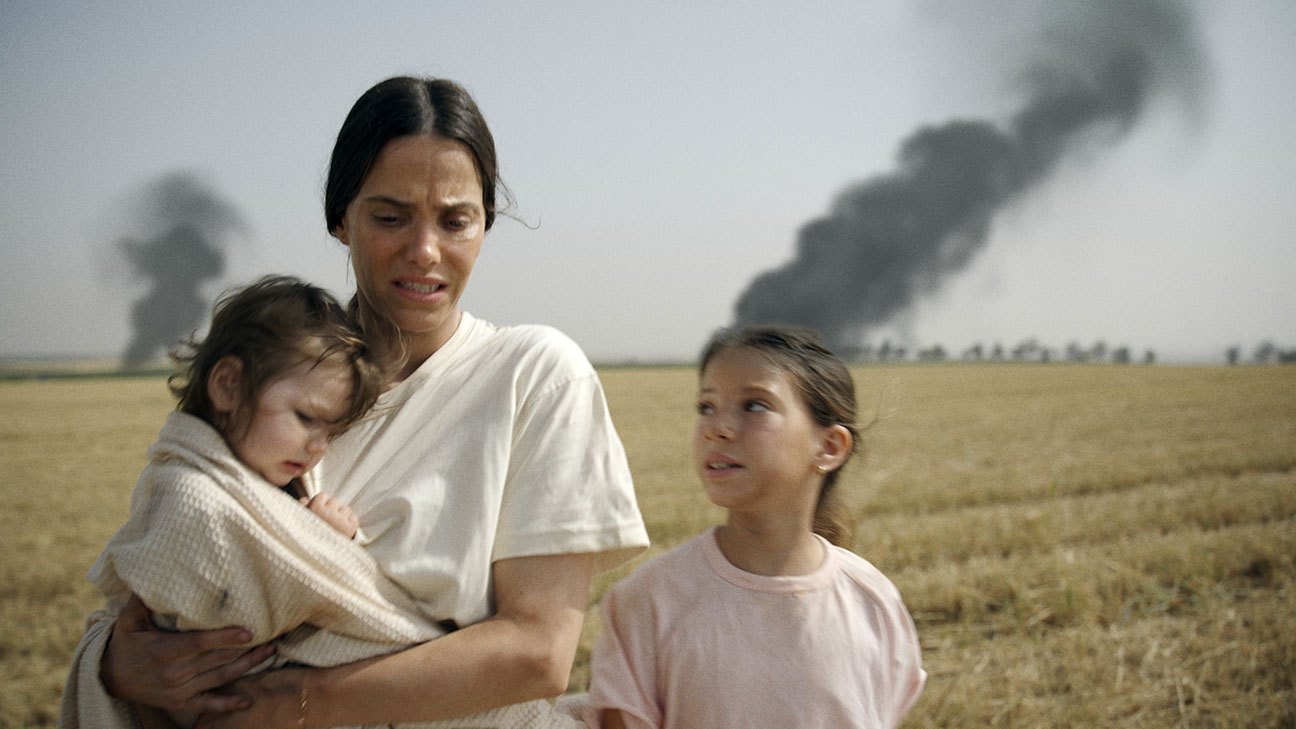
“Red Alert,” which tells the real-life events of Oct. 7, delivers one of the most shocking portraits of violence— not through graphic gore, but through what it forces viewers to feel: the terror, loss and devastation left in the wake of that unimaginable day.
Sure enough, as soon as it was announced that Paramount+ would stream the four-part series starting Oct. 7, the backlash began. Pro-Palestinian voices claimed the series was biased and called on users to cancel their subscriptions to the streaming service. At a time when many studios and streaming platforms are hesitant to acquire or release Israeli content, it was a bold and courageous move by Paramount+.
The announcement came shortly after more than 3,900 screenwriters, actors, and filmmakers — including Mark Ruffalo and Tilda Swinton — signed a pledge by Filmmakers for Palestine to boycott Israeli film institutions perceived as complicit in “genocide and apartheid” against Palestinians.
“I just want to say that [Paramount CEO] David Ellison is like a God,” said Bender. “I mean, for this man to be supportive of this show and to come out with a statement saying he does not support the boycott, that, if anything, he supports filmmakers to tell their stories — whatever kind of stories — in this atmosphere it’s very brave, to say the least, and I wish others would do that as well.”
The series tells the true stories of four families living in the Southern part of Israel: Bat Sheva (Rotem Sela) is a mother fleeing with her two daughters after her son was kidnapped to Gaza and her husband, Ohad (Miki Leon), is shot by Hamas. Ayoub (Hisham Suleiman), sees his wife killed in front of him; the killers drive off with their baby. He escapes with his older child and hides, watching in horror as Hamas terrorists continue shooting nearby. Nofar (Chen Amsalem), a border police officer wounded while defending civilians, her husband Kobi (Israel Atias), an anti-terror officer who runs into danger to save his wife; and Tali (Sara Vino), a devoted mother who becomes an unlikely hero, driving wounded civilians to get medical help.
On September 30, Paramount+ held a special preview of the series’ first episode. Following the screening at the Sherry Lansing Theatre on the Paramount lot, a Q&A was held with Bender and Liz Hirsh Naftali, whose niece Smadar Edan was murdered along with her husband Roee, and whose grandniece Abigail was kidnapped by Hamas and held captive for 51 days.
One of the questions directed at Bender came from his 19-year-old son, Misha, who asked if he wasn’t fearful of potential backlash. Bender replied: “I just made a real decision that I don’t care. I’m going to lose friends, I’m going to move forward. Different people have to choose their path. I’ve made it my mission in life … this is probably a big chapter in my life doing this.”
Following the screening, Bender sat with The Journal for a candid talk about the series, antisemitism, what had led him to do the series and filming in Israel while bombs from Gaza served as background noise.
The realization that he wanted to do something for Israel — whether a TV series or a movie — and advocate for it, came on Oct. 8, when nobody reached out to him. Bender, who has always made movies with a diverse group of people, felt hurt. He had always made a point of working with everyone. The year George Floyd was killed, he produced three films dealing with Black issues.
“When my phone wasn’t ringing the way one would expect it to ring, I started to feel isolated and alone. Nobody called and asked, “Are you okay? Do you have friends and family in Israel that have been affected by this?” So, I made a decision. I needed to do something and I started becoming an activist and do anything I could do to help Israel.”
Behind-the-scenes with Executive Producer Lawrence Bender in Red Alert streaming on Paramount+, 2025. Photo Credit: Ran Mendelson/Green Productions, Bender Brown Productions, Keshet 12, the IEF; Paramount+
The opportunity came when Bender met Avi Nir, CEO of the Israel-based Keshet Media Group, was in Los Angeles to give a presentation. It was about six months after Hamas’attack on Israel, and the material was raw and emotional. Bender recalled being so moved by what he heard that he immediately approached Nir.
“I told him, we need to figure out a way to make a movie or a TV show that’s going to show the world what happened, and he said, ‘Absolutely.’”
The world needs to be reminded of what actually happened, he said, and “what better way to do that than with a TV show?” When you watch a TV show or a film, it becomes part of the cultural zeitgeist, but it’s still all based on real events. “Half the world doesn’t even believe this happened or doesn’t know it happened,” he said. “We have to put out a massive reminder of why this is all happening in the first place. You want to create something that impacts the world. Just like when I did ‘An Inconvenient Truth,’ I wanted to create something that says to the world: ‘Wake up!’”
A few months later, in November 2024, Bender joined the project as a producer, with Lior Chefetz serving as creator and director.
In the spring of 2025, Bender landed in Israel. At first, everything seemed calm and quiet, almost ordinary, but in Israel, even the most peaceful moments can change in an instant.
“On my first day there I was in a meeting in a building and there was a missile attack from the Houthis,” Bender recalled. “The phones went off like our amber alerts but it goes on. Everyone looked at me and kind of smiled and said, ‘oh, it’s a first time for you’ and apologized to me. Then we all went to the mamad, the safe room and because it was in the morning, people were drinking their coffees and eating their Danish. Honestly, it was emotional and I had to hold back some tears.”
This nonchalant reaction of the locals to the sirens which they’ve gotten so used to, caught up to him weeks later as he was sitting for dinner with a family friend in Tel Aviv.
“We were sitting outside in one of our favorite restaurants and people were walking by, such a lovely atmosphere. Then the alarm goes off and this time as I’ve been there like six or seven weeks, and the waitress who was bringing us the dishes, placed them down and said, ‘The safe room is inside’. We just looked at each other and were like, let’s just eat, we don’t want our food to get cold. That’s what happens after living there for a while, you start to get used to it, which is really kind of messed up.”
Filming scenes that recreated the Hamas attacks came with unique challenges. He said the production took place in a town where residents were still on edge after losing quite a few people on Oct. 7.
“Everyone in that town had a gun and everyone there will run to the fire, through the danger to defend their town.”
The mayor, he said, was especially worried that locals might mistake the actors for real terrorists and soldiers. “Someone from a building up high could look down, see a battle going on, and shoot at a ‘terrorist’ who’s actually an actor,” said Bender. “So every 10 yards we had a massive speaker on stands and every 15 to 20 minutes there would be an announcement in Hebrew, ‘we’re filming a movie, these are actors out in the streets. Everything’s okay.’”
Safety became an all-consuming concern. “The amount of thought we had to put into keeping everybody safe was a whole different thing that one doesn’t think about when you’re shooting a regular movie,” Bender said.
To prevent confusion, crew members all wore matching light-blue shirts, while actors arrived at the set wearing thin white paper jumpsuits that they removed only right before filming.
They had to spend significantly more on security during filming, and Bender didn’t take any precautions lightly. One requirement was to have a portable mamad — just like a portable toilet. Those concrete bunkers were loaded onto trucks and followed the crew to every set. Fortunately, they never had to use them.
Emotions also ran high among the actors portraying real-life figures that experienced the horrors of the war not long ago.
Hisham Suleiman as Ayub in Red Alert, episode 3, streaming on Paramount+, 2025. Photo Credit: Green Productions, Bender Brown Productions, Keshet 12, the IEF, Paramount+
“We were filming a scene where Rotem Sela, who portrayed Batsheva Yahalomi, is sitting under a tree and you hear the bombs going off in Gaza. It was a bizarre feeling to hear it in the background. When actors finish a scene, they might take a moment before going on with their daily lives, but here you felt many times that they would take a couple more breaths before moving on, because they are doing something that’s so real.”
Bender was born in the Bronx, the eldest of four children. The family lived on the Grand Concourse near Yankee Stadium, but when the neighborhood grew rough and dangerous, they moved to southern New Jersey. There were many synagogues in the area, and his family belonged to a Conservative one. Even with a sizable Jewish community nearby, school was a different story.
“As a kid you want to fit in, and being the only Jewish kid in class wasn’t easy. It was embarrassing to be called out and to have to explain what a particular holiday was about. But I didn’t experience antisemitism then, it came later in high school. The Italian kids and the Polish kids used to push me around, throw me into lockers and call me ‘Bender Kike’ and put their hands on their noses like this,” he demonstrates, “for like a big nose.”
Even his best friend used to tease him about being Jewish. Bender learned to accept it as part of the norm. Years later, this friend, who had become a born-again Christian, called him with an apology.
“He said, ‘I feel really bad because we used to push you around for being Jewish. I’m really sorry for what we did, because I realize now you were part of the Chosen People.’ I thought, really? This is the reason?”
Instead of reprimanding his childhood friend, Bender was gracious and accepted the half-apology. “He was doing the best he could, and I was like, okay, I’ll take it — even though it felt almost like another blow.”
Before becoming a producer, Bender was an engineer. He earned a degree in civil engineering from the University of Maine in 1979, but soon later realized his passion lay elsewhere. He studied dancing and became a professional dancer and performed for a time until a back injury ended his ballet career.
That setback eventually pushed him toward acting. He studied acting in New York alongside the likes of Michelle Pfeiffer, Mickey Rourke and Jessica Lange, then decided to move to Los Angeles in the mid-1980s. He hoped to become a series regular, but after a few years of struggling and landing only small roles, he found his new passion in life.
“I quickly realized, this is what I want to be, I want to be a producer. I realized the journey I’ve been on; engineering, dance and acting is all about problem solving and art and producing is really a foot in both worlds, and so I had been training my whole life without knowing to become a producer.”
Through a friend, he met another aspiring actor, director and screenwriter, Scott Spiegel, and the two co-wrote a horror film, “Intruder.” On his first venture as a producer, Bender successfully raised $100,000 to finance the film.
The film earned him only $10,000, but it led to something much bigger: a meeting with Quentin Tarantino at a party at Spiegel’s house. ‘Intruder’ never received a theatrical release; it went straight to video and quickly disappeared without a trace. However, Tarantino did see it, and, like Bender, he was trying to break into the industry. Desperately seeking to sell his scripts, Tarantino eagerly shared with the young producer a script he had written, “Natural Born Killers.” The movie was too expensive to make, but soon enough, Tarantino had another script ready: “Reservoir Dogs.”
Bender and Tarantino made key decisions to reduce costs, shooting the film in black and white using 16mm film. Bender faced enormous challenges as a beginning producer. He had to secure the remaining financing, find locations, hire crew, cast actors and even arrange distribution, all under the pressure of a two-month timeline set by Tarantino.
The breakthrough came when Bender’s acting teacher helped him reach Harvey Keitel. Keitel had read the script and was impressed by Tarantino’s talent. That call marked a turning point for the project. On set, Keitel acted as a mentor to the largely inexperienced cast, which included Tim Roth, Michael Madsen, Chris Penn and Steve Buscemi. He even financed a trip to New York to find actors, helping Bender and Tarantino assemble their team.
Filming was intense, with Bender fully immersed in the process. He could feel that they were creating something special. Every aspect of the production, from the casting to the direction, carried a unique energy and attention to detail that set the film apart. The combination of Tarantino’s vision, Bender’s dedication, and the mentorship of Keitel helped transform “Reservoir Dogs” into a groundbreaking debut that would launch both of their careers and pave the way for future collaborations.
(L-R): Shay-Lee Keren Sharvit as Tamari, Rotem Sela as Batsheva Yahalomi and Libi Atia as Yael in Red Alert, episode 3, streaming on Paramount+, 2025. Photo Credit: Green Productions, Bender Brown Productions, Keshet 12, the IEF, Paramount+
For the promotional tour of “Inglourious Basterds,” a revisionist WWII film about a group of Jewish-American soldiers known as the “Basterds” who hunt and kill Nazis across occupied France, Bender and Tarantino visited Israel.“When you go on tour around the world, you’re doing it to create publicity, boost box office, and build awareness,” Bender explained. “Israel is like 0.0002-something percent of the global box office, so we clearly weren’t going there to help the numbers. Tarantino wanted to go because of what the movie was about. He felt it was important for him personally, which was music to my ears.”
While they were there, Bender took Tarantino to Yad Vashem were they had a private tour and was impressed by Tarantino’s knowledge. It was during this visit to Israel that the famed director met an Israeli woman, singer Daniella Pick, whom he married in 2018 and moved to Israel to live with her.
Despite the enormous success they achieved together, Bender and Tarantino stopped collaborating after “Kill Bill Vol. 2”(2004). Bender admitted he isn’t even sure if Tarantino has heard about the series. The two had lost touch over the years but unexpectedly crossed paths at two somber occasions. The first was at the private memorial service for actor Michael Madsen, who appeared in both “Reservoir Dogs” and “Kill Bill.” The service was held at Tarantino’s theater, the Vista Theatre in Los Feliz in August this year. “We ran to each other and hugged,” said Bender. A month later, they met at another mutual friends’ funeral, Scott Spiegel the man who had first introduced them.
“If not for him, God only knows what would have happened to ‘Reservoir Dogs,’” Bender said about Speigel. “It seemed inappropriate to bring [the series] up then.”
Shooting of “Red Alert” wrapped this summer, and Bender thought it would be smart to hold off before trying to sell it to the world. He believed that in today’s climate of anti-Israel sentiment, it would be difficult to pitch.
“The boycott thing was getting bigger and bigger, and I told them we have to hold tight and figure out the right timing,” he said.
But he didn’t have to wait long. At another memorial for a good friend, he ran into Paramount’s Ellison.
“It was like two and a half weeks ago at Skip Brittenham’s memorial. He was someone we both loved — an incredible lawyer. As my lawyer would say, he should be on the Mount Rushmore of lawyers. He would make deals between studios and big actors, and his thing was always, ‘You’re going to take this and we’re going to make this deal together,’ because a lot of times people try to take everything for themselves and leave nothing to the other person.”
Bender told Ellison about the new series he had just finished filming in Israel, and Ellison had this spark in his eyes. He was all in.
“He said, ‘Send it to me right away’ … And then he told me, ‘I want to release all episodes on Oct. 7.’”
The series was still in post-production, with sound mixing, temp effects and more work to be done. But Bender, Chefetz, and the entire team got so excited that they began putting in extra hours.
“We weren’t prepared for such an early release,” Bender said. “I found myself working all day and then, at 11 at night here in LA, which was nine in the morning in Israel, getting on Zoom calls, reviewing the mixed stage, visual effects, music — basically spending all night working closely with my Israeli partners.”
Bender hopes the world will see the series and understand what really happened in Israel. While there seems to be more global sympathy for what is happening in Gaza, far less attention and sympathy has been given to the thousands of Israelis who were murdered, kidnapped, tortured and raped.
“The goal is to get everyone to see this because if they do, they’ll understand the truth. That can spark conversations and emotional responses, allowing us to say: OK, this had actually happened. You may not like what Israel is doing right now, but now you understand why, and now let’s talk about it.”
In the days since U.S. President Donald Trump announced his 20-point peace plan for Israel and Gaza, community leaders and organizations offered a range of responses, with some expressing hope for what the immediate future might bring while others raised concerns about the plan’s feasibility and implications.
“Even if nothing comes out of this, in terms of ending the war—and I hope it will—at long last we have a vision for the day after, and this is something we didn’t have until now,” Israeli journalist Nadav Eyal said during a recent episode of Dan Senor’s Israel-focused podcast, “Call Me Back.” “It’s a serious vision for the day after; it’s very complex; it’s nuanced.”
Likewise, JStreet Policy Chief Ilan Goldenberg echoed that upbeat sentiment in a statement that was published on X.
“This moment holds both real promise and tremendous peril,” Goldenberg said. “We welcome Trump’s plan, which reflects principles long championed by J Street. Within this plan lies the promise of a lasting regional peace. Hamas must now be pressed to accept the deal and free the hostages.”
On Sept. 29, appearing alongside Israeli Prime Minister Benjamin Netanyahu, Trump announced his cease-fire plan for Israel and Gaza during a press conference at the White House. The proposal, which has garnered buy-in from key Arab parties, including Qatar and Turkey, aims to end the ongoing Gaza conflict; facilitate the return of all of Israel’s hostages, including those living and deceased; dismantle Hamas’s military capabilities; facilitate Israel’s withdrawal from Gaza; and establish a transitional government in Gaza.
Israel immediately accepted the plan. As of press time, Hamas had said it was ready to accept the plan but would ultimately make its decision depending on “field conditions” in Gaza.
As commentator Van Jones said during his Oct. 3 appearance on “Real Time with Bill Maher,” Hamas’ response to Trump’s proposal was, essentially, “Yes, but…” with the “ ‘but’ being bigger than the ‘Yes.’
Elsewhere, local elected officials, including those with consistent pro-Israel records, welcomed Trump’s proposal and urged all those who’ve spent the past two years calling for a ceasefire to embrace the plan.
“The Peace Proposal just accepted by Prime Minister Netanyahu is a critical opportunity to bring home the hostages, end the war, surge humanitarian aid to the people of Gaza, and take a step forward for a better future for Israelis and Palestinians alike,” Rep. Brad Sherman said in a statement. “All those who have called for a ceasefire must urge with one voice that Hamas accepts this proposal and finally end the war they started with their October 7th massacre.”
Across the Los Angeles community, Jewish leaders offered a note of cautious optimism in response to Trump’s plan.
“There is much about this plan that I find encouraging,” Stephen Wise Temple Senior Rabbi Yoshi Zweiback told the Journal. “Most importantly, it provides a pathway to being able to welcome our hostages home on a time frame that is appropriate. Of course, they should have been returned to their families more than 730 days ago, but at least this proposal offers a very short window to secure their release.
“As someone who is not a foreign policy expert, I won’t dive into the technical details of the plan,” Zweiback continued. “What I can say is that it represents a serious attempt to accomplish three goals that I wholeheartedly support: ending the war, bringing our hostages home and removing Hamas from power.
“Looking at the broader picture, this plan gives me hope that a negotiated two-state solution remains possible. It may still feel like a distant dream, but the fact that this proposal has traction in the region keeps the possibility alive. That in itself is significant.
“I also recognize that much depends on Hamas, a fanatical jihadist organization that has repeatedly shown disregard for its own people’s lives and a relentless drive to harm the Jewish people and the Jewish state,” Zweiback concluded. “That reality makes the challenges ahead profound. Still, it is forbidden to give up hope. With sufficient pressure from regional allies, the United States and other partners, I believe this plan has a chance. My hope is that it will bring our hostages home, our soldiers home and open the door to a lasting peace.”
Still, others casted doubt that Hamas was genuinely invested in abiding by Trump’s plan, which calls for Hamas’ disarmament and the eventual installment of a Gazan government comprised not of Hamas but of technocrats.
“If Hamas goes along with it, it represents a complete and unequivocal surrender on their part. So, I don’t know how they could do that,” a local community leader told me. “I just don’t see that happening.”

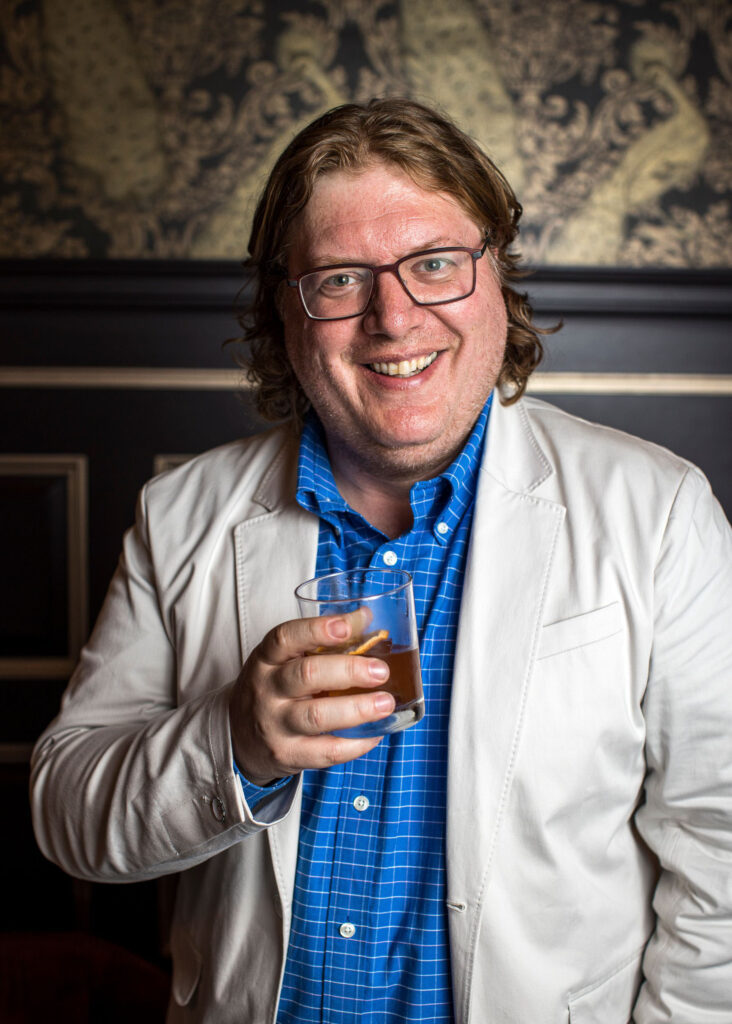
 “The Whiskey Bible” is more than 600 pages of knowledge, history and stellar recipes from bartenders from around the world.
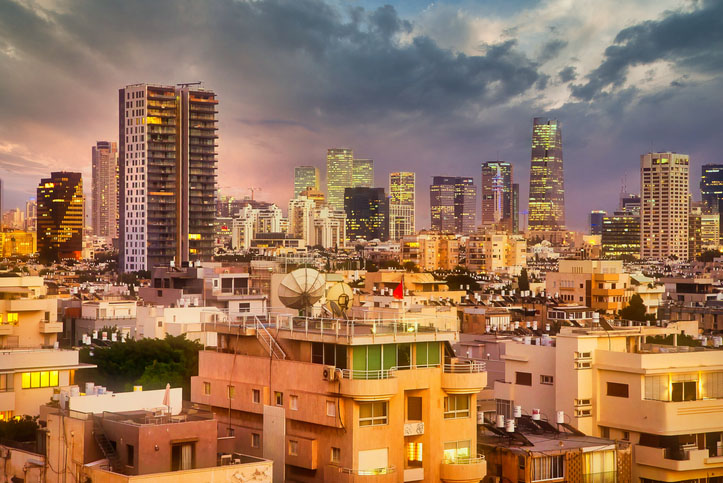




 The series tells the true stories of four families living in the Southern part of Israel: Bat Sheva (Rotem Sela) is a mother fleeing with her two daughters after her son was kidnapped to Gaza and her husband, Ohad (Miki Leon), is shot by Hamas. Ayoub (Hisham Suleiman), sees his wife killed in front of him; the killers drive off with their baby. He escapes with his older child and hides, watching in horror as Hamas terrorists continue shooting nearby. Nofar (Chen Amsalem), a border police officer wounded while defending civilians, her husband Kobi (Israel Atias), an anti-terror officer who runs into danger to save his wife; and Tali (Sara Vino), a devoted mother who becomes an unlikely hero, driving wounded civilians to get medical help.